

























































A New Orleans judge sentenced Eric Cloud to two mandatory life terms without parole this week for gunning down Angel Funez and Niukura Gonzalez during a botched robbery in Mid-City more than six years ago, closing out a case that took a jury just four days to decide but a criminal justice system more than six years to resolve. Cloud was 17 years old when he approached the couple's parked truck on a bicycle just after midnight on February 8, 2020, and shot both of them during a struggle over what prosecutors say was an attempted purse-snatching.
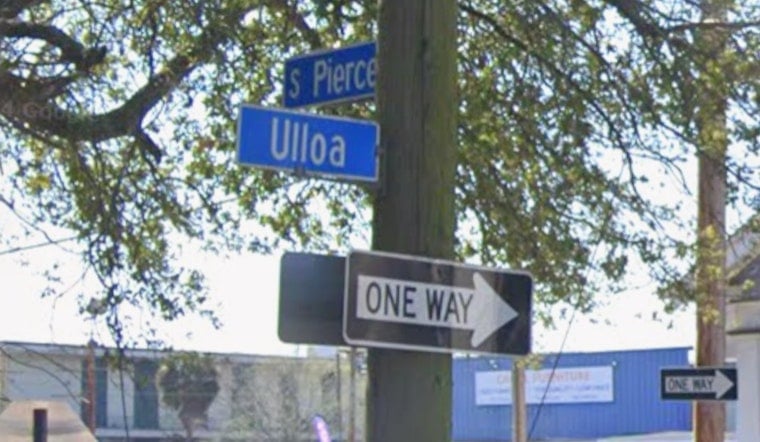
Funez, 25, died at the scene from a chest wound, while Gonzalez, also 25, died shortly after as paramedics rushed her to University Medical Center, according to NOLA.com. The pair had been sitting in the truck in the 4000 block of Ulloa Street when Cloud, wearing a hooded jacket and armed with a gun, rode up on a cruiser-style bicycle and tried to rob them, according to the outlet's reporting on the case. Orleans Parish Criminal District Judge Simone Levine imposed the sentences — 99 years for armed robbery, 40 years for attempted armed robbery, and the two life terms for second-degree murder — after a jury convicted Cloud on all four counts.
Cameras and DNA Sealed the Case
Investigators leaned heavily on the city's Real Time Crime Center, a $40 million network established in 2017 that pulls live and recorded video from street-facing public safety cameras near 911 call locations, according to the City of New Orleans. Those cameras captured the robbery and helped lead detectives to Cloud, who was later tied to the scene through physical evidence. During a raid of his home, detectives found clothes similar to those worn by the shooter, pants with Funez's blood on them, and 9mm ammunition matching the caliber used in the killings, per the case details reported by NOLA.com. Authorities said blood found on Funez's hand matched Cloud's DNA.
Assistant District Attorney Corbin Bates led the state's prosecution and, during a July 30 press conference, announced Cloud's conviction alongside three other multi-year homicide cases his office had recently closed. District Attorney Jason Williams highlighted the four cases together, according to WWL Louisiana, emphasizing that complex forensic testing and surveillance video were critical to securing guilty verdicts in cases that had lingered for years. During questioning, Bates asked Cloud directly whether he could take accountability for killing Funez and Gonzalez. Cloud responded, “What you want me to say?” and maintained his innocence throughout the proceedings, claiming his constitutional rights had been violated and that he was forced to go to trial with an attorney he did not want, Miles Swanson.
A Six-Year Wait Rooted in Pandemic Backlogs
The gap between the 2020 killings and this year's verdict traces back to a statewide backlog that topped 2,000 cases awaiting state DNA analysis after 2020 court disruptions, a crisis the Orleans Parish District Attorney's Office has previously acknowledged severely delayed felony prosecutions across Louisiana. Loved ones of Funez and Gonzalez expressed frustration over those delays as the case dragged on for years before finally reaching trial.
Because Cloud was 17 at the time of the killings, prosecutors had to navigate specific statutory notice procedures under Louisiana Code of Criminal Procedure Article 878.1 and Revised Statute 15:574.4, which govern how the state seeks life sentences without parole for defendants who were minors when they committed their crimes, according to the Louisiana State Legislature. Those statutes reflect constitutional standards that apply specifically to juvenile offenders facing the harshest possible sentences. Cloud's family testified during the proceedings that he was a lost child failed by the justice system.
Victims' Families Confront Cloud in Court
Michael Pibernus, Gonzalez's younger brother, told the court he hoped the killing was worth it and said he would let God be the judge, according to NOLA.com's account of the sentencing. He also said Cloud got what he deserved and that he hoped Cloud rotted in hell. Brydie Wines described Gonzalez as a tall, beautiful, loud and proud Puerto Rican woman, and told Cloud directly, “You were a coward with a gun. You stole her from us.” Wines said surveillance video showed Gonzalez trying to fight off the attempted purse-snatching before she was shot. Gonzalez left behind young daughters, and family members left the courtroom in tears as the sentences were read. Judge Levine acknowledged the rancor from both sides of the courtroom, saying there is nothing a criminal court can do when the pain and hurt runs so deep.
Case Fits Broader Shift in NOPD Clearance Rates
Cloud's conviction lands amid a broader turnaround in how New Orleans homicide detectives are closing cases. NOPD reported solving roughly two-thirds of recorded homicides so far this year, a marked rise in clearance rates that officials credit to street cameras and improved evidence collection, according to NOLA.com. The city also recorded three consecutive years of declining violent crime through 2025, pushing its homicide rate to its lowest level since the 1970s, per WWL-TV's reporting on citywide crime trends. Louisiana Governor Jeff Landry approved a joint state and federal initiative called Operation NOLA Safe earlier this year, combining NOPD, ATF, FBI, and Louisiana State Police resources to target high-risk violent offenders and resolve open homicide cases.
Separately, DA Williams has pushed for changes to how major felony cases reach trial, proposing legislation last October that would require prosecutorial consent before a defendant can waive a jury trial, arguing that victims and the public deserve a voice in serious cases. Louisiana lawmakers have also been weighing House Bill 491, introduced in March, which would set educational, behavioral, and risk-assessment requirements for parole consideration among people serving life sentences under the state's juvenile sentencing statute. Cloud, now sentenced to two life terms without parole, will spend the rest of his life in prison.





