

























































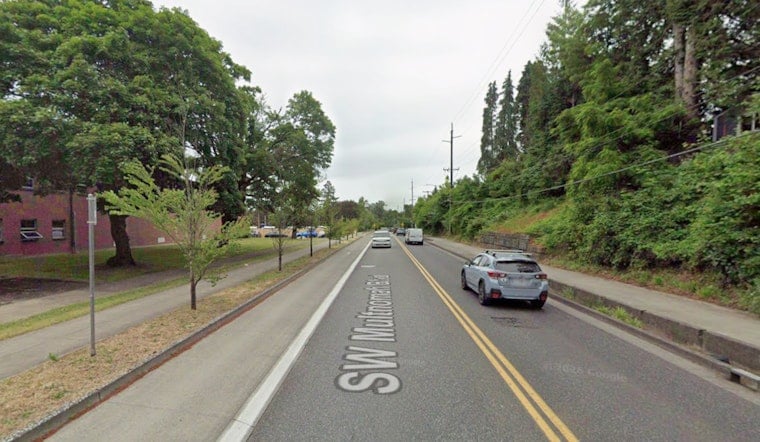
The Multnomah Safe Rest Village, a shelter site that has housed people leaving homelessness in Southwest Portland since it opened four years ago, is being converted into an addiction recovery center with transitional housing. The shift requires guests to engage in drug treatment and counseling, and it is already dividing both the people who live there and the neighbors who live around it.
As reported by KGW, the site will provide on-site drug treatment and peer support as it becomes a recovery-focused facility. The village grew from 30 shelter pods to 100 over the years, and it sits on city-owned land at 2731 SW Multnomah Blvd, according to the City of Portland, which notes the property occupies part of a former armory parking lot. Urban Alchemy, the San Francisco-based nonprofit that has operated the site for the city since taking over from Sunstone Way in July 2025, will continue running the housing side of the village.
Residents Split on the New Rules
Not everyone inside the fence is on board. Ryan, who has lived at the village for two years, opposes the shift to addiction recovery housing, per the same KGW account. Jeremy, another resident, hopes the transition happens, while Ian said he supports the change. The differing reactions reflect a shelter population with a range of needs and circumstances, all now facing the same new expectation to actively pursue sobriety.
Portland says it will allow residents to stay through the transition if they have not exceeded the 120-day shelter stay limit and agree to treatment and case management. That cap traces back to a shelter engagement policy the city introduced in June 2025 and publicly announced that September, which triggers mandatory exit for guests who fail to engage with assigned caseworkers, as Hoodline previously reported. For guests who do not meet the new sobriety conditions and have no path to stay, the city says it will try to move them to a different shelter if space is available.
A Neighbor's Frustration Boils Over
Across the street, James Peterson, who owns and operates a custom woodworking business near the village, told KGW he has reported seeing drug use and drug sales near his shop. Peterson said the site's atmosphere has hurt his ability to sell his building, which he is currently trying to do. His complaints echo a broader pattern described by the Multnomah Neighborhood Association, which has tracked livability issues such as nighttime noise and pests around the site since the city replaced formal Community Advisory Committees with direct city contact channels, PEMO problem solvers, and site hotlines in July 2025.
Urban Alchemy spokesperson Jess Montejano said the organization takes neighbors' concerns seriously. Montejano said the nonprofit can remove guests when there is credible evidence they have caused harm to neighbors or violated village standards. Urban Alchemy has reported serving more than 1,500 Portlanders across the city's alternative shelter sites since 2022 and says it has helped over 300 individuals move into permanent housing, and the organization has some of the highest success rates in the region for transitions into permanent housing, according to KGW.
Part of a Bigger Statewide Shift
The Multnomah conversion is not happening in isolation. Portland funded two recovery-focused overnight shelters in the Central Eastside within the last fiscal year: the 30-bed CityTeam Grand Shelter, which opened in November 2025, and the 140-bed SE Grand Recovery Shelter, run by Transition Projects and opened in January, both of which expect guests to be sober while staying there, per city shelter services records. Portland has also opened wellness spaces for residents in recovery at other existing shelter sites.
The city is now looking for a provider to offer recovery services under the new Multnomah site model. That search comes as Oregon House Bill 4002, which took effect in September 2024, re-criminalized personal drug possession as a misdemeanor while funding grant-based deflection programs meant to steer people caught with drugs toward treatment instead of jail, according to Marion County. The law replaced key pieces of Measure 110's decriminalization approach, and it has pushed Portland and Multnomah County leaders to prioritize drug- and alcohol-free shelter beds.
A Housing System Under Strain
The stakes of getting the transition right are high, because the region's housing system is fundamentally strained. Fewer than 20 percent of people exiting Multnomah County shelters moved into permanent housing during the prior fiscal year, Hoodline reported in its earlier coverage of the 120-day rule. That scarcity means guests displaced from Multnomah Safe Rest Village during the changeover have few guaranteed places to land, even as the city works to move them elsewhere.
The timing adds further pressure. Portland has been reorganizing its broader shelter network throughout the summer, closing Weidler Village in May, scheduling Reedway Safe Rest Village for closure, and expanding pod capacity at its North Portland Road site, according to Portland Shelter Services. Whether the city can secure a qualified recovery provider for Multnomah and still maintain enough shelter off-ramps for those who do not fit the new sobriety model remains an open question as the conversion moves forward.



