

























































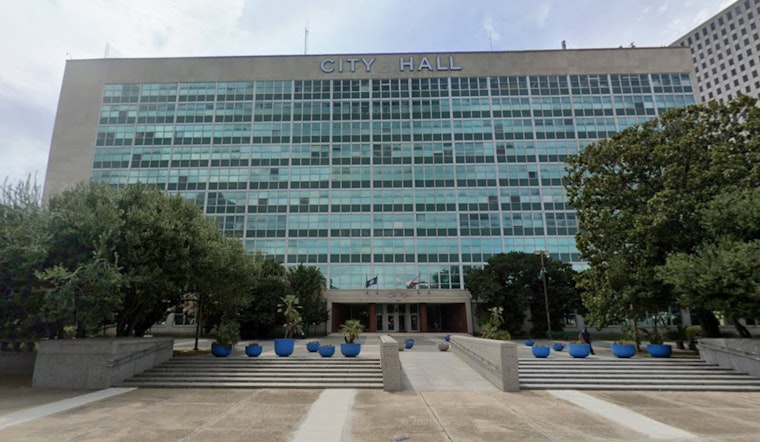
More than 11,500 New Orleans youth have ridden buses, streetcars, and ferries for free under a pilot program that closed to new enrollments earlier this month, and now city lawmakers want to make that free ride permanent. The New Orleans City Council Transportation Committee recommended approval of a resolution Thursday that would establish a permanent version of the Opportunity Pass for riders ages 16 to 24, but only if the city can find the money to pay for it.
The measure, Resolution R-26-356, directs city officials to pursue public and private funding sources and set up an administrative structure to keep the fare-free program running long term, according to the WWL-TV report on the council action. Since the Opportunity Pass launched in September 2024, it has enrolled youth across every New Orleans council district and logged more than 500,000 daily transit pass activations, figures the council cited as justification for making the pilot a lasting program.
Enrollment Already Closed to New Applicants
The timing adds urgency to the council's vote. Due to limited funding and heavy demand, the Opportunity Pass pilot officially stopped accepting new enrollments on August 14, though everyone already signed up keeps riding free until the money runs out, the same WWL-TV report noted. Riders who missed the cutoff have no path back into the program unless the council secures new funding.
That funding cliff traces back to how the pilot was built in the first place. The program was initially bankrolled in May 2023 through a $2.5 million allocation of federal American Rescue Plan Act pandemic relief dollars, approved by the council under a cooperative agreement with the Regional Transit Authority, according to records filed with the RTA. The grant was designed as a temporary two-year pilot meant to gather ridership data and prove demand, not as a permanent revenue source.
A Budget Deficit Complicates the Ask
The push for permanent funding lands as New Orleans faces a projected $223 million municipal budget deficit, a gap that had already prompted a proposed $1 million cut to the Opportunity Pass program in earlier city budget drafts, per the WWL-TV report. With the one-time federal dollars gone, city officials now have to weigh the popular youth program against other competing spending priorities citywide.
The Opportunity Pass wasn't built by city hall alone. It was co-created by youth transit ambassadors and launched through a partnership among Ride New Orleans, the Regional Transit Authority, the New Orleans Public Library, and the New Orleans Children and Youth Planning Board, according to the Hilton Foundation. Those young ambassadors led focus groups and community outreach that shaped how the pass rolled out and how riders learned to use it.
Who's Riding, and How
Program data shows young adults ages 18 to 24 signed up at higher rates than any other age group covered by the pass, and more than half of enrolled users self-identify as Black or African American, according to Ride New Orleans. The nonprofit's data frames the pass as a tool specifically aimed at so-called opportunity youth who face transportation barriers to career training and economic mobility.
In practice, riders access the free fares two ways: digitally through single-day passes generated in the RTA's Le Pass smartphone app, or as physical monthly paper Jazzy Passes distributed at New Orleans Public Library branches. Ride New Orleans has said the paper option exists specifically to ensure riders without reliable smartphones or mobile data aren't shut out of the program.
Political backing for the pass predates this week's committee vote. Mayor Helena Moreno supported the zero-fare youth pilot back when she served as City Council President in 2023 and 2024, and has since appointed new RTA board members with a focus on transit equity, signaling continued alignment between the mayor's office and the council on the issue.
Part of a Bigger National Push
New Orleans isn't alone in betting on fare-free transit for young riders. The San Diego Association of Governments' Youth Opportunity Pass logged over 9 million youth rides in fiscal year 2023 after eliminating transit fares for riders 18 and under, according to the Western Riverside Council of Governments, which tracked the program as part of a broader look at zero-fare transit trends. Transit agencies nationwide have leaned on similar youth passes to build long-term ridership and widen access to jobs and training.
Whether New Orleans can sustain its own version now comes down to dollars. Resolution R-26-356 sets the policy goal of a permanent Opportunity Pass, but it stops short of naming where the money will come from, leaving city officials and advocacy groups to work out public-private funding partnerships in the months ahead while enrollment remains frozen for anyone not already in the system.



