

























































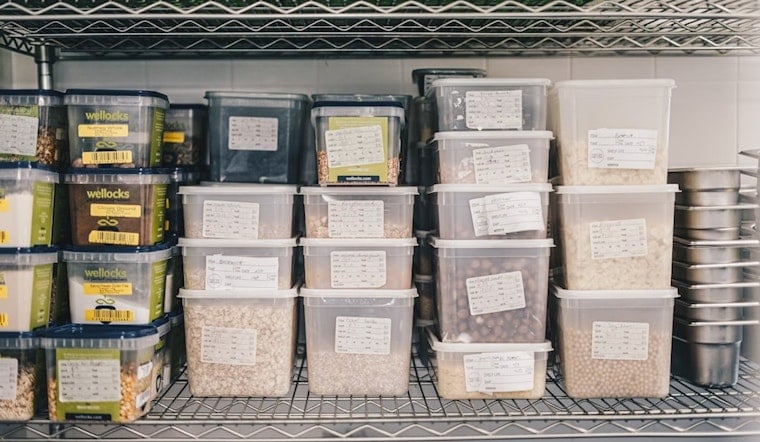
Inside a building in Newark's West Ward, shoppers no longer wait for a prepacked bag of whatever happened to be on hand that month. They walk the aisles, pick their own fresh produce, frozen foods, rice and beans, and head home with what their families actually need. It's called the Market at UCC, and it represents a fundamental rethinking of how a Newark nonprofit fights hunger.
United Community Corporation transformed what had been a traditional food pantry into this grocery store-style model, replacing a monthly take-it-or-leave-it system that handed out prepacked grocery bags, according to Gothamist. The market offers fresh produce, frozen foods, rice, beans and other products free of charge, and clients can visit once a month by appointment. Barbara Ross, who visited the market in late July, said the new setup means clients can choose what they need instead of receiving unused items.
Craig Mainor, UCC's executive director, called the change long overdue. The Market at UCC also includes a children's area stocked with a library and art supplies, giving families somewhere for kids to wait while parents shop. UCC sources its food and products from local food banks and grocery store donations, including from Stop & Shop and Trader Joe's, and it also connects visitors to the organization's other services after they register.
A Statewide Food Desert Problem
The stakes for Newark are steep. All five of the city's wards rank among New Jersey's 10 most severe food deserts, per an analysis by the New Jersey Economic Development Authority.
According to the New Jersey Department of Environmental Protection's eMobility planning toolkit, the state's Food Desert Community Designations Mapping tool identifies areas throughout New Jersey with the most limited access to nutritious foods.
The hunger numbers back up the urgency. Statewide, food insecurity jumped 75% between 2020 and 2024 to reach 13% of New Jersey's population, or about 1.2 million people, as reported by The Jersey Vindicator. More than half of those food-insecure residents earn too much to qualify for SNAP.
SNAP Work Rules Squeeze Families Further
SNAP Work Rules Squeeze Families Further
Sarah Allen, UCC's program director for emergency services, said the pantry connects hungry clients with the organization's other resources, and she reported a large increase in interest in volunteering as people try to regain lost SNAP benefits. UCC has faced increased pressure to meet rising food insecurity while also serving as a place where SNAP recipients can log volunteer hours to satisfy monthly work requirements.
West Ward Councilman Praises the Shift
West Ward Councilman Dupre Kelly, who represents the neighborhood where the market operates, said the market puts food into the homes of West Ward and Newark residents. The market draws visitors well beyond city limits, too, with people traveling from Passaic, Paterson and Elizabeth to shop there. Maria Torres, UCC's director of food assistance, has her own experience with the stakes involved — she was homeless while caring for two children with disabilities before joining the organization.
Newark Mayor Ras Baraka touted the coming wave of community grocery stores during his State of the City address in April, and city leaders now plan to roll out similar grocery-style pantries and pay-what-you-can markets across Newark neighborhoods, with markets expected to open in each of the city's five wards later this year. La Casa de Don Pedro is among the nonprofits expected to help operate the new markets. Newark's City Hall press office did not provide officials for interviews or respond to a request for comment, according to the same Gothamist report.
A Model Already Tested in the South Ward
UCC's grocery-style approach follows other choice-based programs already running in New Jersey, including the CUMAC Market in Paterson and the Garfield Unity Pantry. Clinton Hill Community Action operates its own version, Our Community Grocery Store, in Newark's South Ward.
Paterson's CUMAC, meanwhile, offers another example of a choice-based food program.
State Money Aims to Scale the Model
Behind these local efforts is a broader state focus on food security.
UCC is a Newark-based nonprofit that provides food assistance and connects visitors with other services.
Lawrence Crump said community markets like the one at UCC are extremely important for addressing Newark's food deserts. Whether the city's ward-by-ward market strategy can scale fast enough to offset tightening federal food aid rules remains an open question as Newark works toward opening markets in its remaining wards later this year.





