

























































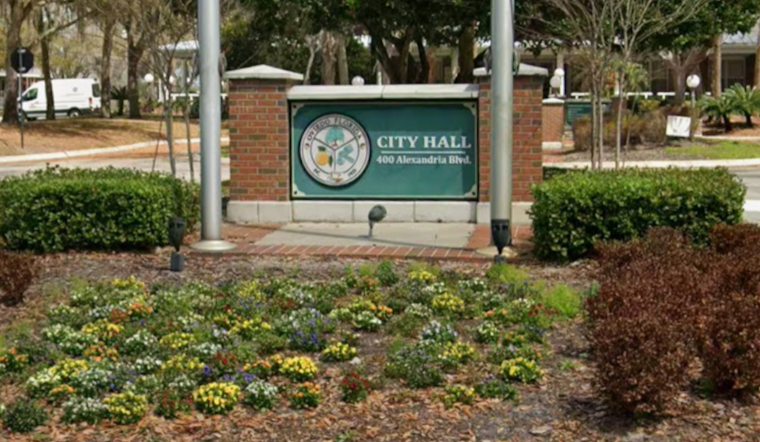
Oviedo city staff have drafted a 63-page packet laying out how the city might need to eliminate up to 70 staff positions, cancel popular festivals like Oktoberfest and Juneteenth, and raise fees just to keep the budget balanced if Florida voters approve a sweeping property tax amendment this November. The Oviedo City Council is set to discuss the proposed cuts at a meeting Monday at 5:30 p.m.
The warning centers on Amendment 3, a proposed constitutional amendment that would raise the state's homestead property tax exemption for non-school levies, according to WESH. Seminole County's Property Appraiser has estimated the change would cut Oviedo's ad valorem revenue by $14.3 million across two fiscal years, per the memorandum cited by the station. Separate figures compiled by Central Florida Public Media put the drop at $5.1 million in fiscal year 2027-28 and $9.2 million the following year, amounting to a nearly 26% annual revenue loss once fully phased in.
Oviedo Mayor Megan Sladek did not mince words about the city's options. There is not enough fat to cut, Sladek said in the station's report, warning that Oviedo could face tough choices if the amendment passes.
Festivals and Staff on the Chopping Block
Among the items city staff flagged for potential elimination are Oktoberfest, the Bark and Brew event, Juneteenth programming, the holiday tree lighting and the Winter Parade, per the same account. Staff also proposed cutting city-sponsored events and holiday decorations more broadly, along with reducing recreation programs and facility hours. On the personnel side, the packet outlines freezing vacancies and reducing city staffing, with WESH reporting that Oviedo would need to eliminate 70 positions to balance the budget if it relies solely on cuts.
Other proposals include outsourcing custodial and concession services, reducing street and sidewalk maintenance, and cutting city council travel, lobbying, and operating expenses. The city is also weighing the creation of special assessment districts for roads, sidewalks, and streetscaping, along with raising certain fees and eliminating some existing fee waivers. One notable change under consideration would create a new fire fee for fully disabled veterans who previously paid no taxes at all.
Why Oviedo Is Especially Exposed
Oviedo's vulnerability traces back to the way its tax base is structured. Residential properties make up roughly 75% of the city's total taxable value, and about half of all parcels carry a homestead exemption, according to Oviedo Community News. That residential concentration means an expanded homestead exemption hits Oviedo's primary revenue driver far harder than it would a commercial-heavy city.
Making the math tighter still, public safety services like police and fire protection consume 55% of Oviedo's $44.8 million property tax revenue budget, according to the same outlet's reporting, leaving city staff with a narrow band of non-essential spending to trim before core emergency services come into play. That dynamic helps explain why quality-of-life programs and community events have landed first on the list of potential cuts.
Amendment 3, as referred to the November 3 ballot by the Florida Legislature through House Joint Resolution 1-F, requires 60% voter approval to amend the state constitution, per Ballotpedia. If approved, the homestead exemption for non-school levies would climb from $50,000 to $150,000 in 2027 and to $250,000 in 2028, with inflation indexing beginning in 2029, while the annual assessment growth cap on non-homestead properties would drop from 10% to 5%.
A Statewide Squeeze, and a Contested Ballot Fight
Oviedo is far from alone in bracing for the fallout. A statewide analysis by the Florida Property Tax Resource Center estimated Amendment 3 would cut local government property tax revenues by $4.93 billion in fiscal year 2027-28, climbing to $11.83 billion annually by fiscal year 2031-32, for a cumulative five-year statewide reduction of $45.84 billion. Seminole County's own overall government revenue losses are projected between $119 million and $233 million, which led county commissioners in July to discuss a 16.4% property tax millage rate increase to offset the impending shortfall, according to WESH's reporting on that county discussion.
The amendment also includes a residency clause: people who become Florida residents after December 31, 2026, would receive only the standard existing homestead exemption for their first four years, becoming eligible for the full $250,000 exemption only in their fifth year, per Ballotpedia. Seminole County Property Appraiser David Johnson has also noted that 31 of Florida's 67 counties are already classified as fiscally constrained under current law, and estimated six more counties could fall into that category if Amendment 3 passes.
The path to the ballot itself has been contentious. A Florida circuit court ruled in August that the original ballot title and summary for Amendment 3 were defective and misleading, requiring Attorney General James Uthmeier to issue a revised title and summary on August 13, a fight Hoodline previously covered as it unfolded in court. Oviedo's council discussion on Monday adds another Central Florida city to a growing list, alongside Winter Garden and Orlando, bracing for what a yes vote in November could mean for the services residents count on.





