

























































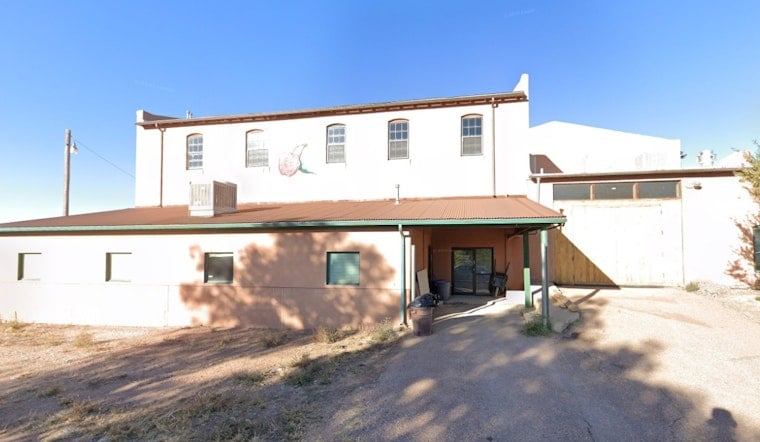
A weathered landmark that thousands of drivers have passed along Colorado 115 for two decades is finally coming back to life. The Apple Shed, the 1912 building at 708 Fremont St. in Penrose that most recently operated as Doxie's Apple Shed before going dark, is set for a grand opening on October 3, timed to coincide with the town's 92nd Annual Apple Day festival.
Owners Sam Banning and Cooper Banning purchased the property about three years ago, according to a Denver Gazette report citing Fox21, and have spent that time preserving the roughly 9,000-square-foot, two-story building rather than tearing it down. The property sits on a 9.82-acre parcel with 60 feet of Highway 115 frontage, according to real estate listings compiled by Sold in Pueblo ahead of its 2020 sale, and it includes a commercial kitchen and oversized walk-in coolers that hint at its industrial past.
Renovations added more than 2,000 square feet of living space, upgraded the kitchen, electric and plumbing systems, and preserved original design elements including the building's wooden beams, per the Denver Gazette's reporting. Amy Dawn Bourlon-Hilterbran, who is leading the property's revival, said the Apple Shed already means something to the community and that the reopening should honor its history. “It's an honor, a challenge, a dream come true,” she said, according to the same account.
A Building That Has Worn Many Hats
Long before it became a roadside curiosity with a giant rocking chair out front, the Apple Shed cycled through a remarkable string of identities. The building has served as a cannery, a school gymnasium, an apple cider distillery, a winery, a wedding venue, and a cafe and mercantile, the Denver Gazette reports. For 30 years it also housed Don Ward Transport, then known as Don Ward Trucking, before the building eventually shuttered as Doxie's Apple Shed more than two decades ago.
That kind of adaptability wasn't unusual for rural Fremont County buildings built during the region's apple boom. Between 1920 and 1940, the number of apple trees in the county plunged from over 211,000 to roughly 75,000 amid aging orchards, water shortages, and low Depression-era crop prices, according to a National Park Service history of southeast Colorado. As fruit volume waned, versatile buildings like the Apple Shed shifted into secondary commercial uses just to survive.
Roots Going Back to Spencer Penrose
The town itself owes its name and its orchards to Cripple Creek mining millionaire Spencer Penrose, who purchased Beaver Creek water rights in 1907 and built Schaeffer Dam to irrigate and sell subdivided orchard parcels, according to Central Colorado Title & Escrow. The town was formally established in 1909. At its agricultural peak in 1920, Fremont County ranked among Colorado's premier fruit regions, with 687 orchards spanning 5,688 acres — including 3,700 acres and an estimated 170,000 trees dedicated to apples alone, per a Pueblo real estate blog from Gold District Realty.
Two working orchards still carry that heritage forward today: Ferrara's Happy Apple Farm and Third Street Apples, both of which offer pick-your-own fruit during the fall harvest, according to a Pueblo-area blog from All Star Team Pueblo. On Apple Day weekend, festival crowds typically visit those orchards alongside the main street fair along Broadway.
A Festival Nearly a Century in the Making
Penrose Apple Day itself dates back to fall 1935, when the local school PTA organized food and entertainment around a 15-team Rural Invitational Softball Tournament, complete with political speeches, Barnyard Golf, a dance, and free slices of apple pie, according to the Penrose Chamber of Commerce. The event has since grown from a school ballfield gathering into a townwide street fair, and this year's 92nd edition will double as the Apple Shed's official comeback party.
Bourlon-Hilterbran, who is directing the reopening, is a longtime Colorado medical cannabis patient advocate who previously founded the nonprofit American Medical Refugees Foundation and now serves as CEO of the Millennium Grown Broadcast Network, according to Westword. Her background is in community organizing and advocacy rather than restaurant operations, which may explain the emphasis she has placed on honoring the building's past as the project moves forward.
What's Still Unknown
The new concept is described as a multi-use commercial space combining a restaurant, bar, mercantile and living quarters, but plenty of specifics remain unsettled. Royal Gorge Region News has reported that more details are still to come about the restaurant, bar, mercantile, special events, and the reopening celebration itself. It's also not yet clear which vendors or tenants will fill the mercantile space, what the hiring plans look like, or how the venue intends to source local agricultural goods from Penrose's remaining orchards.
For now, the building's most recognizable feature isn't going anywhere. The 21-foot-tall rocking chair outside the Apple Shed was built in 1990 in Security, Colorado, and originally stood outside Jerry's Roofing and Dawn Meadows Feed Store in Fountain before it was relocated to Penrose, according to Colorado Springs Daily Photo. It was reportedly built in an attempt to capture the world record for the largest rocking chair, and it remains the landmark's most photographed detail heading into October's reopening.



