

























































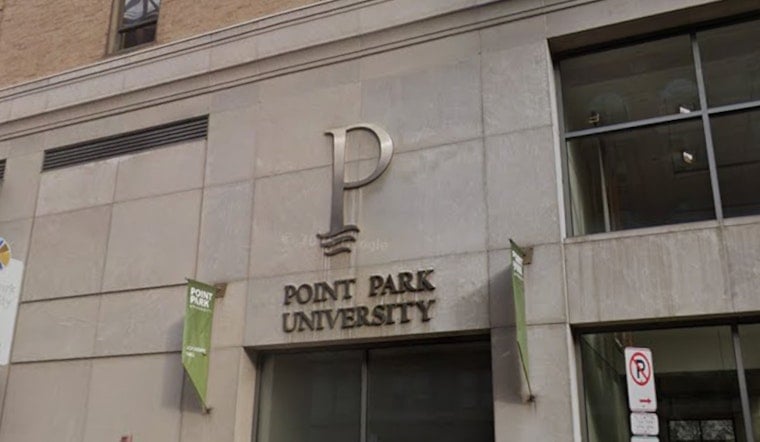
Point Park University, the downtown Pittsburgh institution known for its performing arts conservatory, is exploring whether to open a satellite campus in Bradenton, Florida, a Gulf Coast city that has hosted the Pittsburgh Pirates' spring training since 1969. The idea grew out of Bradenton officials reaching out to the university about a potential partnership, and it now hinges on a Florida licensing review expected to conclude in November.
The overture came from Bradenton, not Pittsburgh. According to TribLIVE, Bradenton approached Point Park about a potential partnership on November 12, 2025, per university president Chris Brussalis. Bradenton officials have said they are seeking downtown revitalization that emphasizes culture, and the city's own sports and tourism ties to Pittsburgh — anchored by LECOM Park, where the Pirates are locked into a lease through 2037 — made the university a natural fit to approach.
Gene Brown, a Bradenton official cited in the report, said Bradenton and Manatee County value partnerships that strengthen their cultural and economic landscape. The city is already investing heavily in its downtown waterfront: the Bradenton City Council has approved The Vias, a 20-story condo tower, 14-story hotel, and 350 apartments replacing the former City Hall site, part of a broader push that includes the city's Riverwalk expansion and its Old Main Street activation plan with the University of South Florida.
Conservatory Programs at the Center of the Plan
Point Park's initial planning is focused squarely on its Conservatory of Performing Arts, whose School of Theatre has a strong reputation and whose School of Dance is ranked among the best in the nation, per the university's own data cited by the Trib. A Florida location, the report notes, could allow Point Park to add capacity to conservatory programs that are already at capacity in Pittsburgh. Potential offerings in Bradenton could include entertainment production engineering, sports broadcasting, and broader sports, arts, entertainment and music programming.
Brussalis told the outlet that Point Park has programs that are wanted, needed, in demand and built around experiential learning. The university's Board of Trustees, whose approval is required for any expansion, is supportive of the plan, according to Brussalis, who added that a Florida campus could have a positive financial impact on the university.
Navigating Florida's Licensing Process
Before Point Park can advertise, recruit, or hold classes in Florida, it needs a provisional license from the Florida Commission for Independent Education, a process that typically takes four to six months and involves the state reviewing financial statements, academic catalogs, and background checks on executive personnel. Point Park is seeking that licensure now, and the university has hired a consultant to assess both the potential economic impact of a Bradenton campus and demand for its proposed programs there. Brussalis said he anticipates hearing back from the commission in November. Point Park is also working with the Middle States Commission on Higher Education, its regional accreditor, as part of the process. Bradenton's city council was expected to discuss the potential partnership as planning moved forward.
Betting on the Sunbelt as the North Faces an Enrollment Cliff
The Bradenton exploration comes as colleges nationwide brace for what researchers call the demographic cliff — a projected national decline of roughly 576,000 traditional college-age students between 2025 and 2029, following a 17% drop in births after 2007, according to AGB and Higher Ed Dive. That falloff is expected to hit the Midwest and Northeast hardest, with schools in the South and Southwest instead growing in significant numbers as population shifts favor Sunbelt states. The Trib reports that 18-year-olds in colder climates are showing increased interest in attending school in warmer climates, and that Sarasota — part of the same metropolitan area as Bradenton — is known for its cultural attractions that could appeal to conservatory-minded students.
Point Park itself has reversed its post-pandemic enrollment dips and announced an anticipated 25% increase in its incoming freshman class in 2025. The university says it is on track to increase total enrollment by 30% by 2030. Even as it eyes Florida, Point Park is not abandoning its home turf: the university plans to add roughly 1,000 students to its downtown Pittsburgh campus and has floated redeveloping the former YWCA building on Wood Street, though those plans have not been finalized.
Point Park's momentum has been building on multiple fronts this year. The university secured expedited NCAA Division II status in July after a waiver shortened its provisional membership timeline from three years to two, with its Pioneers athletic programs competing in the Mountain East Conference. Whether that same institutional momentum translates into a Gulf Coast campus now depends largely on how Florida's Commission for Independent Education rules later this year, and on how Point Park's trustees weigh the costs of building a program roughly 1,000 miles from its Pittsburgh headquarters.





