

























































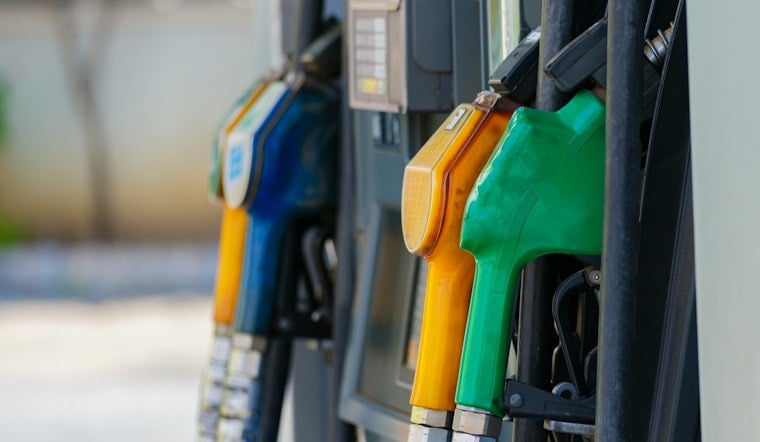
Illinois drivers are paying an average of $4.34 a gallon for regular gasoline, and Governor JB Pritzker says the state's oil suppliers owe them money back. Pritzker sent an open letter demanding that seven major oil companies either cut prices or issue direct refunds to consumers, accusing them of using the ongoing U.S. war with Iran as cover to rake in record profits.
The letter, addressed to the CEOs of ExxonMobil, Chevron, Continental Resources, Shell USA, BP America, ConocoPhillips and Occidental Petroleum Corporation, lays out a stark set of numbers. According to CBS News Chicago, regular gasoline in Illinois has risen more than $1.30 per gallon since February 28, costing state residents an additional $2 billion in gasoline expenses over that stretch. Pritzker wrote that the price surge began after President Trump started the war with Iran, and he accused the companies of using the guise of supply disruptions to collect what he called record-setting profits, some of them more than double what they earned during the same period a year earlier.
“Illinois residents have the right to know how these companies are profiting off this conflict and what relief they intend to provide at the pump,” Pritzker said, per the same report. He is asking each company for transparency around pricing and profit margins since the war began, along with public disclosure of how their executive teams are compensated, and he has set August 21 as the deadline for the CEOs to respond.
Oil Majors Posted Massive Second-Quarter Profits
The governor's accusations line up with hard numbers from the industry's own earnings reports. ExxonMobil and Chevron posted a combined $26.5 billion in net income for the second quarter of 2026, with Exxon doubling its year-over-year earnings to $14.5 billion and Chevron nearly quadrupling its own to $12 billion, according to Common Dreams. War-driven crude price spikes and elevated refining margins fueled those gains, even as the companies directed much of the windfall toward shareholder dividends and stock buybacks rather than expanding domestic drilling.
The scale of those profits has drawn criticism well beyond Springfield. President Trump himself publicly criticized ExxonMobil and Chevron on August 3, saying the companies were making too much money off the supply shortages tied to the Iran war and demanding they lower retail prices, as reported by InvestmentNews. The comments came in Oval Office remarks after the companies released their second-quarter results.
Federal Regulators Have Already Urged Scrutiny
Pritzker's demand also follows a coordinated push from federal regulators. On July 3, the U.S. Department of Justice and the Federal Trade Commission issued a joint letter encouraging state attorneys general to investigate petroleum markets for price fixing, market manipulation or deceptive practices amid rising gas prices, according to Holtzman Vogel. That announcement signaled coordinated oversight between federal antitrust regulators and state legal officers, though it stopped short of directing specific enforcement action.
Illinois Attorney General Kwame Raoul had already been sounding a similar alarm months earlier. Back in March, Raoul publicly stated that the sudden $1-per-gallon spike in state gas prices was a direct result of federal military action in Iran initiated without congressional approval, according to The Center Square. He made those remarks during a joint news conference with California Attorney General Rob Bonta.
Legal Options for Forcing Refunds Are Limited
Despite the political pressure, actually compelling oil companies to hand money back to consumers is legally difficult in Illinois. State administrative rules under Illinois Administrative Code Title 14, Part 465 do bar charging unconscionably high prices for petroleum products during a market emergency, defining that as a gross disparity from pre-emergency prices not attributable to increased supplier costs.
But civil lawsuits under that framework face a steep hurdle. Seventh Circuit precedent from Siegel v. Shell Oil Co. rejected consumer class actions alleging gasoline price gouging under the Illinois Consumer Fraud Act, finding that plaintiffs could not show market-wide refinery margin manipulation directly caused individual injury, according to IDC Quarterly. That precedent helps explain why Pritzker is relying on public pressure and disclosure demands rather than litigation.
Illinois Already Froze Its Own Gas Tax
The state has taken its own step to ease pump prices. Pritzker signed Public Act 104-0468 on June 16, temporarily pausing Illinois' scheduled July 1 inflation-based motor fuel tax adjustment for six months through the end of the year, freezing the state's gasoline excise tax at 48.3 cents per gallon. That move builds on Pritzker's earlier openness to a gas tax pause that Hoodline covered in May. Illinois also layers a 6.25% state sales tax on top of that excise tax, giving it one of the highest total tax burdens on motor fuel in the country.
Neighboring Indiana has gone further with executive action. Governor Mike Braun declared a statewide energy emergency and extended a suspension of state gasoline taxes through September 5, citing global crude supply disruptions, per The Black Chronicle. Meanwhile, federal lawmakers Sen. Sheldon Whitehouse and Rep. Ro Khanna have introduced legislation proposing a 50% windfall profits excise tax on major oil producers pumping over 300,000 barrels a day, designed to rebate excess profits directly to consumers, according to WOKV.
What Drivers Are Paying Now
Nationally, regular gas costs more than $4 per gallon and premium is nearing $5, according to AAA figures cited by CBS News Chicago. That's a sharp jump from a year earlier, when regular gas averaged $3.17 per gallon and premium averaged just over $4. Global oil prices hit $100 per barrel in late July as the war escalated again with attacks in the Red Sea, adding fresh pressure just as Pritzker's letter went out.





