

























































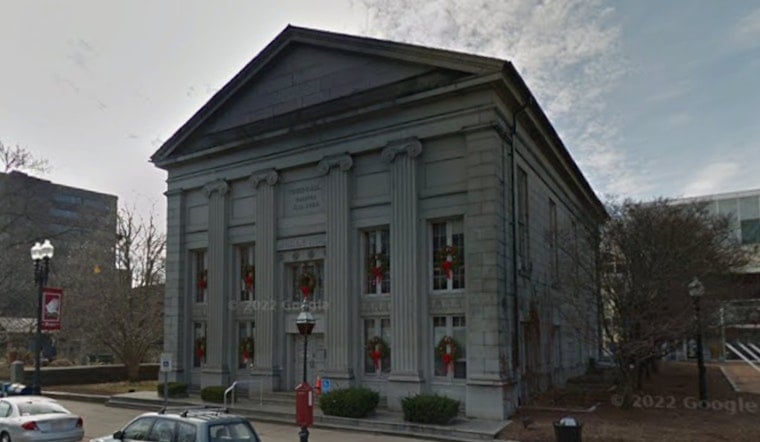
More than 20 people turned Monday night's Quincy City Council meeting into a loud warning shot over a proposed ban on public encampments. The measure is still moving through the council's process, but the volume of public frustration makes clear this is no quiet code rewrite.
Fox 8 WVUE reported that more than 20 public speakers came before the council to voice frustration with the ordinance. The City of Quincy agenda lists the measure as a first presentation, titled “An Ordinance Regulating Public Camping Within Corporate Boundaries.” That means the council had not given final approval Monday, and the proposal remains subject to further debate and action.
The proposal also revives a debate Quincy has been circling for years. In August 2024, WGEM reported that a similar measure would prohibit camping on public-owned property, while police said they had encountered relatively few actual encampments and that many camps were on private property. The report also noted that park-closing rules and trespass laws already gave officials some tools for addressing camping in public spaces.
The Legal Backdrop Has Shifted Since Quincy First Debated A Ban
The legal backdrop is different from when Quincy first began discussing the issue. In City of Grants Pass v. Johnson, the U.S. Supreme Court held that the Eighth Amendment does not bar enforcement of generally applicable laws regulating camping on public property. The ruling gives cities more room to write and enforce camping restrictions, but it does not require Quincy to adopt a ban or settle the details of this proposal.
Quincy Has Shelter Resources, But Capacity Remains A Key Question
Quincy has shelter and housing resources, but capacity is not an abstract detail. The Salvation Army's Quincy emergency shelter says its facility can house up to 14 people, while the city's resource directory lists additional providers for men, women, families and domestic-violence survivors. Those services matter, but the listings alone do not show that a bed is available to every person who could be displaced by enforcement.
That leaves council members with a question more complicated than whether tents should be visible in public: what happens to people once those tents are gone? Monday's first presentation did not settle the issue, and the speaker turnout suggests the ordinance will keep generating heat as it advances. For now, Quincy has begun the debate, not finished it.





