

























































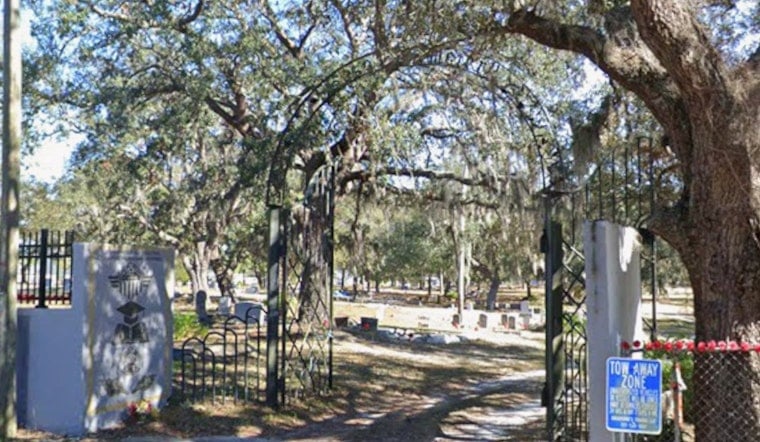
Ground-penetrating radar has located what appear to be previously undocumented graves near Tarpon Springs’ Rose Cemetery, putting new pressure on a preservation problem that has followed the historic Black burial ground for decades. A newly reported survey suggests the cemetery’s visible markers may represent only part of what lies beneath the property and its surrounding edges.
WTSP’s 10 Investigates reports that a radar report identified burial-related signatures near Rose Cemetery. The technology cannot instantly provide names or a complete burial list, but it can help preservationists map areas where excavation could disturb graves that have disappeared from the visible record.
Rose Cemetery’s History Was Shaped By Segregation
The Florida Department of State says Rose Hill Cemetery was formally established in 1916 in response to segregationist policies, while the earliest recorded burial dates to 1904. Historians believe the property was already being used by Tarpon Springs’ Black community as a burial ground as early as the 1870s.
The cemetery remains nationally significant because it preserves the history of Tarpon Springs’ African American community and remains in active use. Its graves also reflect African, Caribbean and Southern burial traditions, including east-west orientations, scraped family plots, benches and personal objects placed near markers.
Radar Has Found Unmarked Graves At Rose Before
This is not the first time technology has exposed how incomplete Rose Cemetery’s visible landscape can be. A historical account published by The Gabber says a 1999 survey found roughly 600 markers on grounds believed to contain at least 1,000 burials, while ground-penetrating radar and cadaver dogs located more than 200 unmarked graves.
Those discoveries were recorded so future burial work would not accidentally cut into existing graves. The latest report gives that long-running effort a fresh urgency, particularly if the newly identified locations fall outside the areas that have been mapped or marked.
New Findings Could Help Protect The Cemetery
For the cemetery association, descendants and local officials, the next challenge is turning radar signatures into a reliable preservation map. That could require comparing the survey with burial records, death certificates, family histories and older property maps before any ground is disturbed.
WLRN previously reported that Rose Cemetery contains temporary markers for graves that had been found and that its upkeep has long been constrained by limited funding. The radar findings reinforce the basic preservation lesson: at Rose, an empty-looking patch of ground may still be part of someone’s final resting place.





