

























































Sacramento is being held up as a real-world test case for a sweeping federal housing law that promises to make building easier, faster and potentially cheaper. But the city's own housing history offers a warning label: Even successful projects can take years to move from ambitious plans to actual front doors.
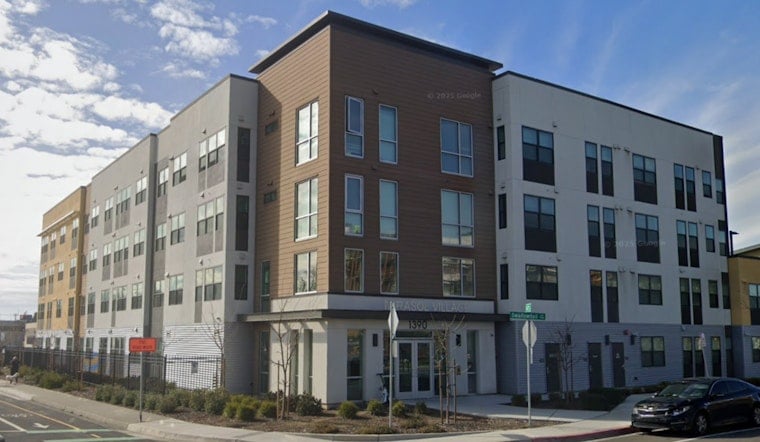
U.S. Reps. Ami Bera, Doris Matsui and Mike Thompson gathered in Sacramento's River District to promote the 21st Century ROAD to Housing Act, pointing to Mirasol Village as an example of what patient planning and layered public funding can produce, according to The Sacramento Bee's report.
A Federal Housing Law With A Very Long To-Do List
The law became Public Law 119-101 on July 11, 2026, after Congress approved a package formally intended to increase the nation's housing supply. The federal law includes grants for communities that demonstrate housing-supply growth, funding for planning and streamlined reviews, expanded support for affordable housing and new provisions for manufactured and modular homes.
It is less a single construction spigot than a giant policy toolbox. The act also seeks to encourage denser development, make better use of publicly owned land, convert vacant or abandoned buildings into housing and restrict some purchases of existing single-family homes by large institutional investors, with exceptions for newly built and build-to-rent properties.
Mirasol Village Shows Why Housing Timelines Stretch
Mirasol Village offers a particularly Sacramento example of that long game. The mixed-income community replaced the former Twin Rivers public housing complex and is planned as a 427-unit development, according to Sacramento housing agency documents; the Bee reports that city, county, state and federal partners spent more than a decade assembling the project and secured about $330 million in funding.
The community completed its final phase in 2025, meaning the project was already delivering homes before the new federal law arrived. Its location also makes it a useful illustration of the transit-oriented approach lawmakers are praising, with a planned light-rail connection expected to improve access for residents, as earlier Hoodline coverage noted.
Renters Should Not Expect An Overnight Reset
The legislation's political rollout was unusually awkward: President Donald Trump declined to sign it while also choosing not to veto it, allowing the bill to become law after the constitutional deadline, the Associated Press reported. The move was tied to Trump's demand for action on a separate voting bill, but it did not stop the housing package from taking effect.
For Sacramento residents, the more important question is what happens next. The law could help local governments and developers attack some of the delays and financing problems that keep projects stuck in the pipeline, but it is unlikely to immediately lower rents or home prices; the first visible results will probably be new approvals, financing commitments and construction sites rather than cheaper leases tomorrow morning.



