

























































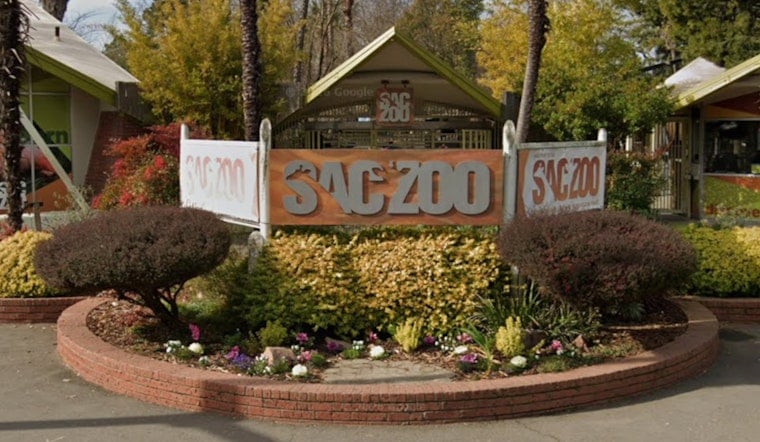
Three African giant pouched rats trained to sniff out landmines, tuberculosis and trafficked wildlife are moving into the Sacramento Zoo this week, with the new interactive habitat opening to guests on Thursday near the African cheetah exhibit. The zoo will make one of the rats viewable to visitors starting at 9:30 a.m., and the first 500 guests through the gate that morning will receive commemorative HeroRAT stickers.
The rodents, known as HeroRATs, are trained by the nonprofit organization APOPO, which has partnered with the Sacramento Zoo to bring the exhibit to Land Park, according to KCRA. Sacramento Zoo CEO Dan Simon is expected to attend the habitat unveiling, and zoo staffer Jonelle Mason said the organization is excited to bring the HeroRATs and their conservation message to guests, per the same report. African giant pouched rats are among the world's longest rodents, and the zoo aims to use them to educate visitors about illegal wildlife trafficking and the global efforts underway to stop it.
How a Rat Can Cross a Minefield Unharmed
The science behind the exhibit centers on a simple fact of physics: African giant pouched rats weigh only 1.0 to 1.3 kilograms, or roughly 2.2 to 2.8 pounds, keeping them far too light to trigger anti-personnel landmines, which typically require at least 5 kilograms of pressure to detonate, according to APOPO research. That combination of size and scent-detection training lets the rats walk directly over buried explosives without setting them off.
The speed advantage over human deminers is dramatic. A trained landmine-detection rat can screen a 200-square-meter area in just 20 to 30 minutes, work that would otherwise take a human deminer using a metal detector up to four days to complete, the Guardian has reported. Unlike electronic detectors, the rats also ignore harmless scrap metal buried alongside real ordnance, cutting down on wasted searches.
Beyond Landmines: Disease Detection and Wildlife Crime
The rats' scent-detection skills extend well past minefields. In medical diagnostics, a single HeroRAT can screen 100 heat-inactivated human sputum samples for tuberculosis in just 20 minutes, a task that can take a laboratory technician up to four days using microscopy, APOPO has reported. The organization says its rats have helped boost TB detection rates by 40 percent at partner health centers.
APOPO also trains a separate class of wildlife-detection rats to identify five specific illegal contraband products moving through commercial ports: elephant ivory, rhinoceros horn, pangolin scales, giraffe hide and hair, and African blackwood timber. Zoo visitors will get to watch the rats work through a maze wall designed to simulate that detection process, sniffing out a new target scent as part of the exhibit's daily demonstrations.
Magawa's Legacy and APOPO's Origins
The HeroRAT program's most famous alumnus is Magawa, who in September 2020 became the first rat awarded the British veterinary charity PDSA's Gold Medal for bravery after locating 71 landmines and 38 unexploded devices in Cambodia. Before retiring, Magawa cleared more than 225,000 square meters of land, according to reporting cited in the dossier's historical background on the program.
APOPO itself was founded in Belgium in 1997 by Bart Weetjens and maintains its operational training headquarters at Sokoine University of Agriculture in Morogoro, Tanzania. The organization has spent nearly three decades developing scent-detection applications for landmine clearance, disease screening and disaster response across Africa and Asia.
A Fundraising Push and a Zoo Still Growing
The Sacramento Zoo raised the money to introduce the three HeroRATs and build their interactive exhibit through the regional Big Day of Giving campaign back on May 7, the same fundraising push that also supported giraffe habitat improvements at the zoo. The exhibit's arrival comes as the zoo continues to navigate its own space constraints inside William Land Park — a proposed 41 percent expansion was still under city review as of March.
Established in 1927, the Sacramento Zoo spans just 14.3 acres in Land Park but is home to more than 400 animals representing over 125 species. The zoo will hold live ambassador animal training demonstrations at 10:15 a.m. Thursday at its amphitheater, and daily HeroRAT shows are expected to follow as the exhibit becomes a permanent fixture near the cheetah habitat.





