

























































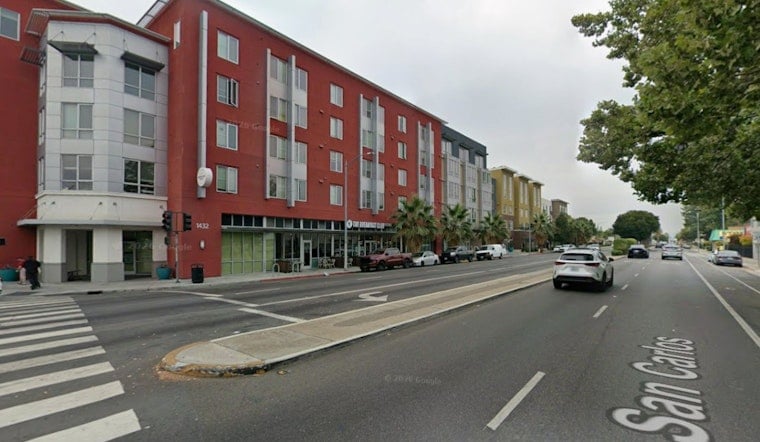
A coffee shop known for pandan and klepon-flavored lattes has traded its farmers market folding table for a permanent storefront in Midtown San Jose. Hijau Coffee, which specializes in Indonesian-style coffee drinks, opened its brick-and-mortar location at 1432 W. San Carlos St., Suite 70, after co-founders Lisa Maria and Ryan Prawiradjaja spent months building out the space and navigating city permitting.
The shop began as a pop-up in February 2024, selling drinks at the San Jose Rose Garden and Cupertino's De Anza College farmers markets, according to The Mercury News. Maria said she and Prawiradjaja did not see much Indonesian flavor represented in the Bay Area or the United States more broadly, which pushed them to launch Hijau as a pop-up bringing those flavors to San Jose. The pop-ups went on hiatus in May as the pair turned their focus toward building out the physical shop, per the same account.
Maria was raised in Bekasi, West Java, where her parents worked as small coffee roasters in the 1980s, according to The Dissent SF. That upbringing steered her away from a career as a tech startup product manager — she was later laid off from a tech job — and toward coffee entrepreneurship alongside Prawiradjaja, who co-founded Hijau with her.
A Menu Built Around Indonesian Flavors
Hijau's permanent menu centers on three signature lattes, the Mercury News reports, including a nastar latte inspired by the small pineapple tarts common in Indonesia, a pandan latte drawing on the tropical green plant's coconut-and-vanilla notes, and a klepon latte named for a dessert often described as Indonesia's version of mochi. Those lattes run $7.00 to $7.50, alongside non-coffee options like Soda Gembira, a “Happy Soda” made with cocopandan syrup and condensed milk, priced at $5.00, according to the shop's own menu listing at hijau.coffee.
The shop held a soft opening before settling into its regular hours: 8 a.m. to 3 p.m. Tuesday through Friday, and 8 a.m. to 4 p.m. on weekends, at its Midtown location. That stretch of West San Carlos Street also houses established dining spots like The Breakfast Club @ Midtown, according to Santa Clara County Department of Environmental Health records, placing Hijau within a commercial corridor that has seen ongoing redevelopment.
The Surprise Behind the Storefront
Getting from pop-up to permanent lease came with sticker shock. Hijau faced around $27,000 in permitting and inspection costs, the Mercury News reports, and Maria posted a video to the cafe's Instagram account detailing those opening expenses. She said the bills for permitting and inspections surprised the couple as they focused on building out the brick-and-mortar shop.
Marika Krause, public information manager with San Jose's Planning, Building and Code Enforcement Department, told the outlet that permitting costs depend on a tenant's plans and whether changes are needed to meet health and safety requirements, and that San Jose's permitting fees and structures are on par with other major Bay Area cities. Krause also encouraged struggling businesses to reach out to the city for help, according to the same report.
San Jose does offer a program meant to streamline restaurant permitting, which the Mercury News reports has already helped more than 3,000 restaurants and can shorten the process from two to six months down to just one or two months. The program is expected to expand further this fall. Separately, city data shows standard commercial permit reviews can still stretch upward of 40 weeks for complex projects, with plan review fees set at $325 per hour and permit issuance fees at $227 per hour, according to Permit Place.
Part of a Bigger San Jose Food Boom
Hijau's opening lands amid a broader surge in San Jose's food and beverage sector. Between 2022 and late 2025, the city issued a record 933 new business tax certificates to food and beverage operations, with Q1 2025 restaurant sales tax revenues running 21% above 2019 pre-pandemic levels, according to the City of San Jose. Local nonprofits like Prosperity Lab, which operates under a city contract, also offer bilingual business mentoring, financial literacy classes, and commercial kitchen access to food entrepreneurs making the leap from pop-up to storefront, per San José Spotlight.
Hijau also fits into a wider regional trend of specialty Indonesian coffee concepts taking root around the Bay Area, joining shops like Kopiku in San Francisco's Marina district and Kopi Bar in Walnut Creek, both of which source beans through local Indonesian roastery Beaneka, according to The Dissent SF. Indonesia is the world's fourth-largest coffee producer, behind Brazil, Vietnam, and Colombia, producing roughly 12.4 million 60-kilogram bags — about 7% of global green coffee output — in the 2025/2026 marketing year, per the USDA Foreign Agricultural Service. Nearly all of that crop, an estimated 98% to 99%, comes from smallholder farmers working plots under two hectares, using traditional processing methods that give the coffee its low-acidity, full-bodied character, according to World Coffee Research.





