

























































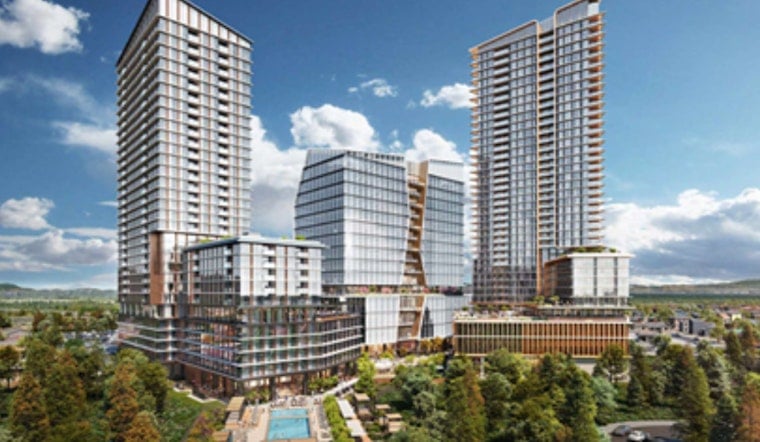
Menlo Park’s long-running fight over a massive redevelopment at the former Sunset Magazine campus has entered a three-month standoff, with developer Oisin Heneghan threatening to sue if the city does not approve the project. The proposed Willow Park complex would bring 665 apartments and three towering buildings to a site that has become one of the Peninsula’s most contentious development battlegrounds.
Heneghan, who is developing the project through N17, is basing the threat on a recent warning from California Attorney General Rob Bonta, according to the Palo Alto Daily Post. The dispute centers on whether Menlo Park changed its reasons for refusing to let N17 use a faster approval route, and whether delaying the application amounts to disapproval under state housing laws.
The City of Menlo Park says Bonta’s office sent a written notice last Wednesday under AB 712, alleging that the city violated AB 2011 and the Housing Accountability Act while processing the 80 Willow Road application. The city says it is evaluating the attorney general’s arguments but will continue to review the application and respond to the developer’s claims, according to the City of Menlo Park.
The project would replace the former Sunset headquarters with approximately 665 homes, 332,000 square feet of office space, 17,000 square feet of retail and a 130-room hotel, along with a preschool. The tallest tower is planned at roughly 460 feet, and the site’s historic eligibility has added another layer to an already complicated proposal, the Palo Alto Daily Post reports.
Why The Sunset Project Is Still Mired In Review
Menlo Park has repeatedly found the application inconsistent with city development standards and determined that it does not qualify for streamlined processing under AB 2011. The city says the project remains subject to environmental review under the California Environmental Quality Act unless N17 can establish an exemption, and that the environmental work has not begun because the developer has not deposited the required consultant funds, according to the city project page.
The city has also argued that it has not formally denied the project simply by requiring additional review. N17’s position is effectively the opposite: that shifting requirements and prolonged delays have created an unlawful roadblock to a housing project that should receive protection under California’s housing laws.
State Housing Enforcement Raises The Stakes
AB 712 is the legal pressure point now hanging over the dispute. The law created uniform remedies for public agencies found by a court to have violated housing-reform laws, while the state’s attorney general has separately stepped up enforcement against cities that fail to comply with housing requirements, including five jurisdictions named in a July announcement by the California Legislature and Attorney General Rob Bonta.
The Sunset fight is unfolding alongside a broader redevelopment surge in Menlo Park. A separate former federal campus is being eyed for hundreds of new homes, as Hoodline reported, putting even more attention on how the city handles large projects, state housing mandates and neighborhood-scale change.
For now, the former Sunset campus remains caught between two clocks: Menlo Park’s environmental and application review process, and N17’s three-month deadline for a decision. Whether the next move comes from City Hall, the attorney general or a courtroom could determine the fate of one of Silicon Valley’s most dramatic proposed skylines.





