

























































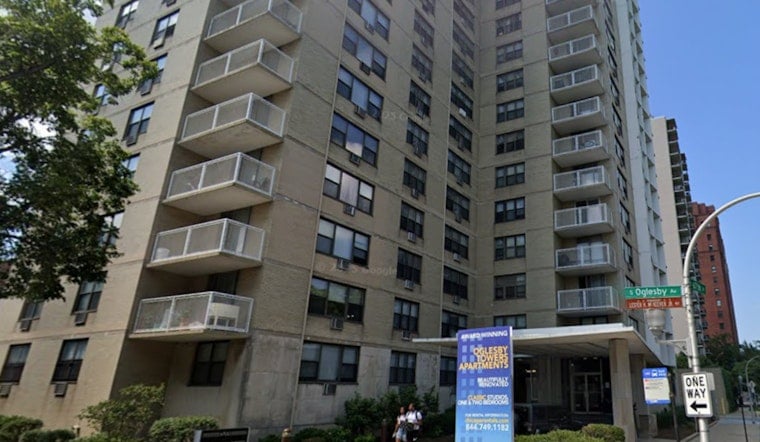
Residents of a 25-story high-rise in Chicago's South Shore neighborhood announced plans this week to form a tenants' union, saying a new utility billing system has sent their monthly costs soaring by as much as $500 and left seniors on fixed incomes struggling to budget. Tenants gathered outside Oglesby Towers at 6700 South Oglesby Avenue to unveil the effort, framing it as their best shot at pushing back against rising costs and ongoing maintenance problems in the 191-unit building.
The building's owner, TLC Management, introduced a Ratio Utility Billing System, or RUBS, earlier in 2026, according to CBS News Chicago. Rather than metering each apartment individually, RUBS divides the building's overall gas and water bills among residents, and tenants say the shift has functioned like an unannounced rent increase. One tenant told the station they like their apartment but feel anxious about what comes next, while another said they no longer even know their own monthly rent total because the charges fluctuate so much.
How the Billing Formula Works — and Why It's Legal
Illinois law only requires individual utility meters in residential buildings constructed after January 1, 1985. Oglesby Towers, built in 1964, falls outside that requirement, according to Illinois submetering regulations, which permit older properties to use RUBS as long as the allocation method is disclosed in the lease. State consumer protection guidance requires landlords to spell out formulas — often based on square footage or occupant count — but places no ceiling on how much those bills can climb from month to month.
That regulatory gap has already hit tenants hard elsewhere in the building. Reporting by the Chicago Crusader in April found one Oglesby Towers resident paying $1,210 in base rent saw total housing costs climb to an average of $1,500 a month once TLC Management's utility and service fees were bundled into the bill. Because there is no state cap on those charges, tenant advocates argue renters are exposed to unpredictable spikes with little recourse.
Organizers Say Fee Hikes Dodge Chicago's Notice Rules
Tenant organizers argue that fluctuating RUBS charges effectively function as rent increases that sidestep Chicago's Fair Notice Ordinance. Under that 2020 city law, landlords must give tenants 60 days of advance notice before raising rent if they've lived in a building for six months to three years, and 120 days if they've stayed longer than three years. Because utility charges are billed separately rather than folded into a stated rent hike, tenants say they can swing wildly with no comparable warning.
Maintenance troubles have compounded the frustration. Residents report frequent elevator outages and laundry facility breakdowns at the high-rise, per the CBS Chicago report. That pattern echoes what happened at another TLC Management property, the Regal Apartments in the South Loop, where both elevators sat broken for nearly six weeks this month, generating hundreds of 311 complaints and building code violations.
A Growing Company, a Growing Pushback
TLC Management, founded by Stuart Handler and headquartered in downtown Chicago, manages dozens of multi-family properties across the region and recently closed a $38 million deal for the 120-unit Tapestry Station complex in Evanston. As of publication, TLC Management had not responded to CBS News Chicago's request for comment on the Oglesby Towers billing complaints.
The South Shore effort mirrors a wave of tenant organizing against RUBS that spread through cities like Los Angeles and Seattle this year, where renter coalitions have staged strikes and rallies demanding municipal bans on the practice, characterizing it as a hidden rent hike. A similar legal fight played out earlier in 2026 when a federal judge sent a tenant class-action against corporate landlord Camden Development back to Maryland state court, where renters alleged undisclosed RUBS and administrative fees violated state consumer protection law. Industry billing firm National Exemption Service has said RUBS typically cuts a property's water consumption by roughly 20% by shifting financial responsibility onto residents — one reason landlords favor the system over the cost of installing individual submeters.
For now, Oglesby Towers tenants say their new union is meant to give them collective leverage against both the billing system and the building's maintenance failures. What happens next — whether TLC Management responds to the union or to tenants' complaints — remains an open question.





