

























































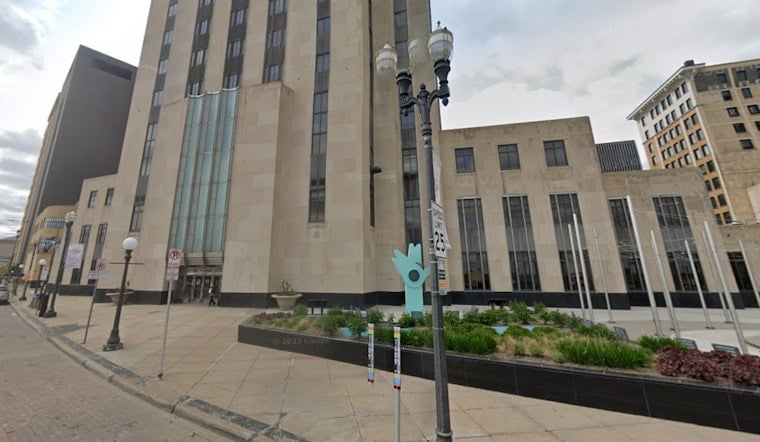
Saint Paul's City Council voted unanimously on August 5 to give itself final approval power over future trash hauling contracts, a direct response to a bruising fight over a garbage truck depot that once threatened to leave the city without service. The ordinance amendment means future solid waste deals can no longer be executed purely through the mayor's office, as happened with the city's current $115 million agreement with FCC Environmental Services.
The change traces back to the Melvin Carter administration's decision to negotiate that citywide hauling contract without direct council sign-off, according to Pioneer Press, whose reporter Frederick Melo detailed the ordinance's origins. Council President Rebecca Noecker said the council previously had no oversight or input into the trash contract, per the same account. FCC Environmental became the city's new trash-hauling partner under a seven-year, $115 million deal covering roughly 60,000 to 65,000 households across 90 percent of Saint Paul, according to Waste360.
A Depot Fight Near the River
Trouble started after FCC Environmental purchased a five-acre former tow lot at 560 Randolph Ave. in August 2024, planning to build a compressed natural gas station there to refuel its garbage trucks. The site sits about 1,200 feet from the Mississippi River corridor, according to the West 7th / Fort Road Federation, which argued in formal appeals that a truck dispatch depot there violated at least 12 policies in Saint Paul's 2040 Comprehensive Plan and disrupted long-term visions for riverfront housing.
The City Council voted 5-0 in March 2025 to support an appeal of a Planning Commission decision, effectively blocking the refueling station, per the Pioneer Press report of the dispute. Mayor Carter then vetoed that council decision the same month. Carter also declared a state of emergency, citing Minnesota Statute Chapter 115A's requirement that municipalities ensure solid waste collection for all residential households, as detailed in a City of Saint Paul statement.
How the Standoff Was Resolved
Under Chapter 13.06 of the city's Legislative Code, a mayoral emergency declaration automatically expires after three days unless the council extends it. Carter asked the council to extend his declaration for 90 days, and the council did so unanimously. During the standoff, the Planning Commission accepted the city's argument that the trash truck maintenance and compressed natural gas facility was largely similar to a public works facility, granting site plan approval on May 2, 2025. The council ultimately relented, voting in May 2025 to support the maintenance yard's site plan rather than risk a collapse in citywide trash pickup.
FCC Environmental began its first scheduled trash collection in Saint Paul in March 2025, even as the zoning dispute played out. The company had committed $25 million in private capital to build its Saint Paul headquarters and truck yard, including compressed natural gas refueling infrastructure for 30 gas-powered collection trucks and electric support vehicles, according to CBS News. Neighborhood impact filings from the Fort Road Federation noted that while FCC initially planned to operate 30 to 36 collection trucks at the Randolph Avenue site, long-term operational plans projected the fleet expanding to as many as 80 trucks, fueling residents' fears about industrial truck volume over the life of the contract.
New Rules for Future Contracts
The ordinance the council adopted August 5 was introduced July 15 and went through a public hearing on July 22, according to the Community Reporter. The administrative code amendment gives the council final approval over mixed municipal solid waste contracts, and the council will now vet such contracts for compliance with procurement rules, laws and policies. Decisions the council makes on trash contracts are considered quasi-judicial, and appeals of those decisions are reviewable by the Minnesota Court of Appeals.
The West 7th / Fort Road Federation supported the ordinance amendment, but resident Meg Duhr said the change was about a year too late for her neighborhood, per the Pioneer Press account. In a letter, Julia McColley wrote that the FCC Environmental contract was approved administratively by the mayor's office without City Council approval, and that the facility's location and associated contract deserved public review and legislative oversight. McColley added that the experience demonstrated why the city's contract procedures should change.
Rates Already Rising Under the New Contract
The Randolph Avenue dispute unfolded alongside other changes to Saint Paul's organized trash system. Starting January 1, 2026, multi-unit residential properties were permitted to share or reduce garbage cart numbers to lower service costs for low-waste households, according to the City of Saint Paul. Hoodline previously reported new trash rates taking effect under the city's organized collection program starting April 1.
Saint Paul's organized collection system itself dates back to October 2018, when the city moved away from residents negotiating individual contracts with private haulers and instead mandated a citywide system, initially run by a consortium called St. Paul Haulers LLC under a five-year contract later extended through March 2025, according to Bring Me The News. FCC Environmental's contract, and the fight over where to house its trucks, became the first major test of that single-vendor model — one the council says will not play out the same way again now that it holds final say over future deals.





