

























































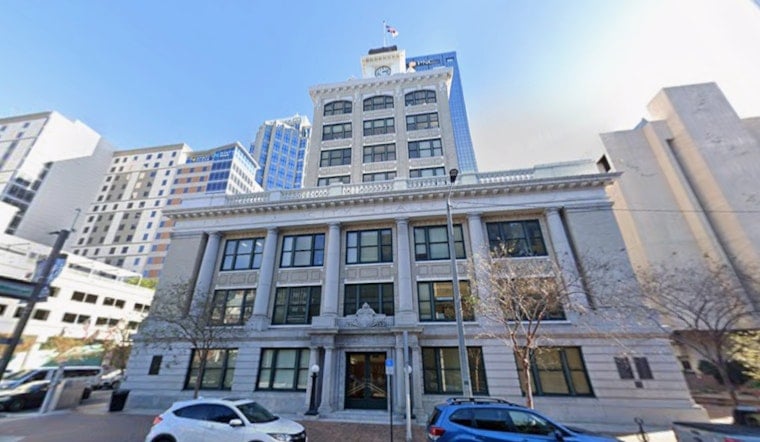
Immigration advocates gathered outside Tampa City Hall to protest the termination of Temporary Protected Status for Haitians, warning that the loss of work and school authorization has already thrown parts of the Tampa Bay Haitian community into fear and instability. The rally comes just weeks after the federal government formally ended the humanitarian protection, stripping legal status from thousands of longtime residents across Hillsborough County.
The Department of Homeland Security terminated TPS for Haiti and Syria after the U.S. Supreme Court ruled the agency was within its authority to do so, according to WFLA. Temporary Protected Status covers people who cannot safely return home because of armed conflict, natural disasters, or other extraordinary conditions, and it temporarily shields foreign nationals from deportation while providing a pathway to work authorization. Local groups held their protest at Tampa City Hall to voice concerns over the termination and its ripple effects across the community.
Erain Boxtha, an organizer who has helped lead outreach efforts in the area, said the TPS termination is causing instability and fear throughout the Tampa community. Boxtha also said churches and businesses in Tampa are closing or slowing down and losing employees as workers lose their legal footing. Boxtha and the Tampa Immigrants' Rights Committee have separately conducted door-to-door “Barrio Walk” rights-education campaigns across Tampa Bay neighborhoods, reaching more than 250 families as of this month, according to the Tampa Bay Times. That outreach has focused on areas around Fletcher Avenue and Bruce B. Downs Boulevard, informing residents of their constitutional rights during federal immigration operations.
How the Legal Protections Unraveled
The path to this month's termination stretches back nearly a year. Then-DHS Secretary Kristi Noem published the official notice ending Haiti's TPS designation in the Federal Register in November 2025, arguing that conditions from the 2010 earthquake had sufficiently improved, according to U.S. Citizenship and Immigration Services. Legal challenges followed almost immediately, and a federal stay kept the termination on hold for months while the case worked through the courts.
That protection ended in June, when the U.S. Supreme Court ruled in Mullin v. Doe that reversed judicial review standards for non-constitutional TPS challenges, clearing the way for the government to move forward. On August 5, U.S. District Judge Ana C. Reyes confirmed that the earlier stay was no longer in effect, according to WR Immigration. USCIS says the termination took effect July 27, invalidating Employment Authorization Documents under category A12 or C19 and requiring employers to reverify work eligibility through Form I-9. Haiti was first designated for TPS in 2010 after a 7.0-magnitude earthquake killed over 200,000 people, and the status was repeatedly renewed amid ongoing gang violence and political turmoil in the country, per WUSF.
Florida Bears the Brunt of the Fallout
Florida is home to an estimated 158,000 Haitian TPS recipients, the highest concentration of any state, out of roughly 330,000 to 350,000 beneficiaries nationwide, according to Newsweek. New York ranks a distant second, with about 40,000 Haitian TPS holders. Home care and healthcare industry groups estimate that more than 113,000 Haitian TPS holders work in Florida, with roughly one-third of the nationwide total employed across hospitals, nursing facilities, and home care services, as reported by WTSP. Industry representatives have warned that sudden workforce losses could deepen existing staffing shortages at Florida care facilities.
DHS Secretary Markwayne Mullin said this month that former Haitian TPS holders must self-deport or face direct arrest and deportation by immigration enforcement agents, a stance The Guardian describes as an aggressive enforcement posture now that judicial stays have been lifted. Research from the economic advocacy group FWD.us estimates that TPS recipients nationwide have contributed roughly $262 billion to the U.S. economy since 2001, with the majority working in essential roles including healthcare, construction, food service, and property maintenance.
Families Caught in the Middle
Legal and demographic analyses estimate that approximately 50,000 U.S.-citizen children have at least one parent holding Haitian TPS, according to SCOTUSblog, underscoring the risk of family separation as protections lapse. Because those children are automatically U.S. citizens by birth, their parents' loss of status creates complicated legal and social stakes for households across Tampa Bay and beyond.
The Tampa protest is one of several local flashpoints that have emerged since the Supreme Court's ruling, joining similar demonstrations and legal-aid mobilizations in Brooklyn and Miami-Dade. For now, Boxtha and other Tampa organizers say their focus remains on making sure residents know their rights as the community absorbs both the fear and the practical fallout of losing legal work authorization.




