

























































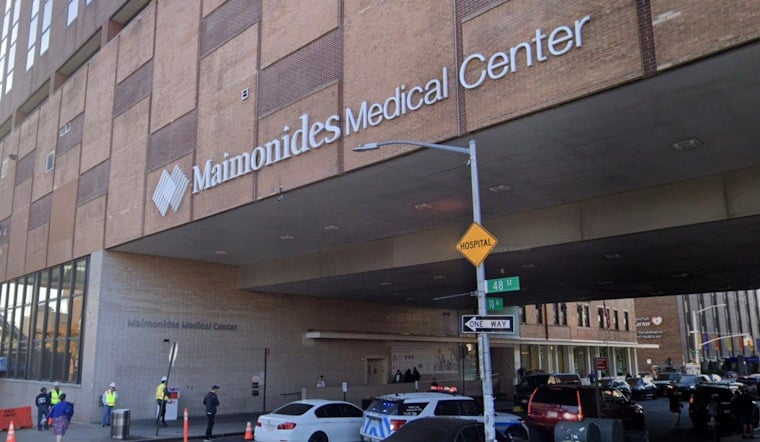
Nurses and healthcare advocates gathered outside Maimonides Medical Center in Brooklyn to warn that the end of Temporary Protected Status for roughly 350,000 Haitian immigrants could deepen New York City's already strained healthcare workforce. Nancy Hagans, who led the demonstration, said the move to end TPS is rooted in racism and hatred and will affect patients who depend on the healthcare system. The rally comes as thousands of Haitian nurses, home health aides and caretakers across the city face losing their legal right to work.
According to Spectrum News NY1, Haitian TPS holders work across nursing, home health care and caretaking roles that many New Yorkers rely on. The outlet reports that Balthazar Fortune, an organizer with Service Employees International Union 1199, has helped many TPS holders find jobs at Maimonides, and that some have lived in the United States for more than a decade. The exact number of Haitian healthcare workers currently on TPS remains unclear, per the same report.
How the Supreme Court Cleared the Way
Haitians were first granted TPS in 2010 following that year's devastating earthquake, a designation that lets immigrants live and work legally in the United States while their home country faces crisis. The status was renewed repeatedly as Haiti continued to face instability and violence, before the U.S. Supreme Court ruled in June that cleared the way for the Trump administration to end it. The decision in Ballotpedia's account of Mullin v. Doe held that federal law bars judicial review of non-constitutional challenges to TPS termination decisions.
Then-Department of Homeland Security Secretary Kristi Noem had already published a notice terminating Haiti's TPS designation in November 2025, arguing that conditions stemming from the 2010 earthquake had improved enough to allow safe returns, according to the Federal Register. That termination, originally set for February 3, 2026, was delayed by court challenges until Wednesday, when U.S. District Judge Ana C. Reyes confirmed her earlier injunction pausing it was no longer in effect following the Supreme Court's ruling, as reported by The Washington Post. Judge Reyes did allow discovery to continue on narrow constitutional claims alleging racial animus, per the same report.
Healthcare Workforce at Risk
Nationally, more than 112,000 Haitian immigrants work in the U.S. healthcare industry, including more than 58,000 home health aides, according to data analyzed by the American Immigration Council. In New York City, Haitian Creole and French rank among the top languages spoken by roughly 3,000 foreign-born, low-earning healthcare workers, according to a workforce study cited by the NYC Mayor's Office of Immigrant Affairs.
Disability advocacy group The Arc has warned that non-acute care settings, including home health care, long-term senior facilities and disability support providers, face particular risk because Haitian workers make up a high share of direct caregivers, according to The Arc. Those sectors were already struggling with domestic staffing shortages before the TPS termination, the organization notes.
Families and Fear of Enforcement
An estimated 50,000 U.S. citizen children have at least one parent who holds Haitian TPS, per the American Immigration Council, raising concern among family advocates about household separation. The decision to end TPS has also sparked fear of increased ICE enforcement in Haitian communities across New York City and the country, per NY1's report. New York City Public Advocate Jumaane Williams urged New Yorkers to remain vigilant but nonviolent as the policy takes effect.
New York's Legal Fight and Political Response
New York Attorney General Letitia James, who led 17 state attorneys general in court filings seeking to preserve TPS, said stripping Haitian TPS holders of legal status would tear families apart and devastate the healthcare workforce. Those filings noted that Haitian TPS holders in New York had contributed more than $140 million annually in state and local taxes before the Supreme Court's ruling.
Mamdani's Sanctuary Protections
New York City Mayor Zohran Mamdani signed an executive order in February 2026 strengthening sanctuary protections that bar federal immigration officers from entering non-public city facilities without a judicial warrant. Mamdani has since publicly defended Haitian New Yorkers as TPS protections came to an end.
Exit Incentives and What Comes Next
The Department of Homeland Security is now offering $2,600 stipends and free transportation to Haitian TPS holders who choose to voluntarily leave the country, the Washington Post reported. Officials have said former TPS recipients who remain must secure another legal basis to stay or risk detention and deportation, per the same report.





