

























































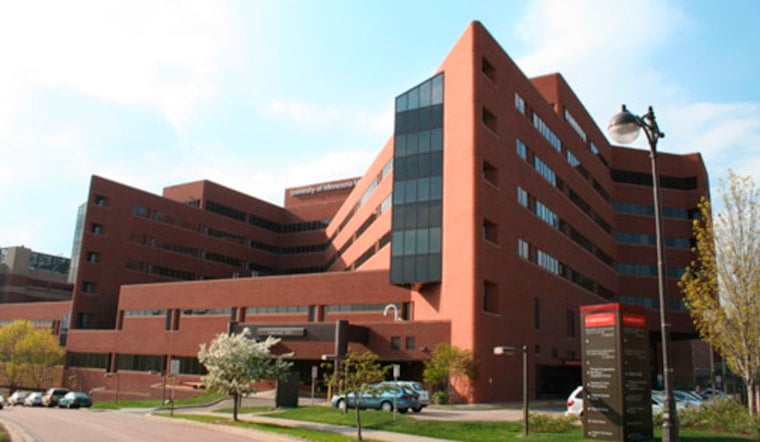
Resident physicians and fellows at the University of Minnesota Medical Center gathered outside the Minneapolis hospital to demand a first union contract, nearly a year after they organized with a national physicians union. The rally comes as bargaining between the university and the Committee of Interns and Residents, an affiliate of SEIU, has stretched on for months without a final agreement on pay and benefits.
CIR-SEIU was certified as the bargaining representative for U of M resident physicians and fellows in April 2025, and negotiations for a first contract began that September, according to KARE 11. The union says it is seeking fair pay and mental health benefits for its members, per a press release cited by the station. University of Minnesota Medical Center is the flagship location for M Health Fairview in Minneapolis, and the residents who work there provide frontline patient care while also serving as post-graduate trainees.
One doctor at the rally described the bargaining battle as antagonistic, the station reported. The frustration reflects the unusual position resident physicians occupy: they staff hospitals as full-time caregivers while also being bound by national residency matching systems that leave them with little individual leverage to seek better terms elsewhere, according to the research notes underlying this report.
Steady Progress, But Core Issues Remain
The university says it has bargained in good faith since talks began nearly a year ago, per the same KARE 11 report, and that it recognizes residents' and fellows' role in patient care, medical research, and daily hospital operations. The university also said it is committed to reaching an agreement that continues a high-quality training environment, and that it values its resident and fellow physicians.
Behind the scenes, the two sides have made procedural headway even as the core economic fight drags on. As of August 4, the University of Minnesota and CIR-SEIU had completed 21 bargaining sessions and reached tentative agreements on 13 contract articles, including health and safety, grievance procedures, discipline, and moonlighting rules, according to the University of Minnesota Office of Human Resources. Those settled provisions leave the harder economic questions — base pay, mental health benefits, and workload protections — still on the table.
A Statewide Stake in the Outcome
The dispute carries weight well beyond one Minneapolis hospital. The University of Minnesota's medical training program produces roughly 70% of the physicians practicing in the state, according to Minnesota Physician, meaning the residents at the center of this fight will eventually staff clinics and hospitals across Minnesota. During their original 2025 organizing drive, residents reported working up to 80 hours a week while earning pay that broke down to close to Minneapolis's $15.97 minimum wage for first-year interns, according to MPR News.
The residents' push follows a wave of organizing made possible by a 2024 overhaul of Minnesota's Public Employment Labor Relations Act, which eliminated rigid statutory bargaining categories that had blocked more than 23,000 university employees from forming certain kinds of unions, the Longfellow Nokomis Messenger reported. That legal change cleared the way not just for U of M residents but for roughly 250 resident and fellow physicians at Hennepin Healthcare in Minneapolis, who became the first medical trainees in Minnesota to unionize with CIR-SEIU in April 2025, weeks before U of M residents filed for recognition, per CBS News.
Part of a Broader Bargaining Wave at UMN
The medical residents are not the only U of M workforce that has recently pushed for a first contract. In January 2025, the university's Board of Regents approved its first collective bargaining agreement with the Graduate Labor Union, covering 4,500 graduate student workers and establishing a $27 hourly minimum wage after more than a year of negotiations, according to The Minnesota Daily. That agreement required roughly 55 full days of bargaining and mediation before it was finalized. Hoodline has also reported on UMN fellows' union fight over their exclusion from bargaining protections under the same 2024 reforms.
The university also faced a broader campus-wide strike in September 2025, when thousands of operational and service staff represented by Teamsters Local 320 walked out over compensation, according to Unicorn Riot. CIR-SEIU itself is part of a much larger national push: the union represents more than 40,000 interns, residents, and fellows across the country as an affiliate of the two-million-member Service Employees International Union, per Becker's Hospital Review. In 2024, the American Medical Association's House of Delegates adopted a resolution affirming physicians' right to collective bargaining, reflecting a broader shift as more than 75% of American physicians now work as employees of hospitals or corporate health systems rather than in private practice, according to an AMA analysis cited by the American Journal of Law & Medicine.
For now, U of M resident physicians and fellows remain without a finalized contract, even as bargaining sessions continue and both sides describe a commitment to reaching a deal. The outcome will likely shape working conditions not just at the Minneapolis medical center, but for a training pipeline that supplies the bulk of Minnesota's future doctors.





