

























































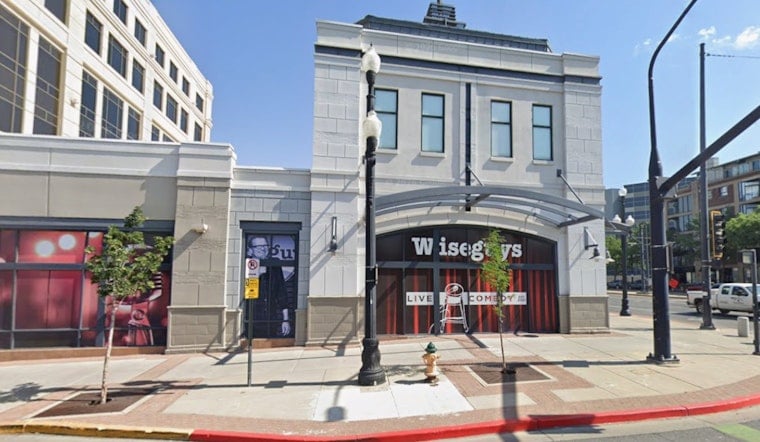
Noelle and Keith Stubbs, who own Wiseguys Comedy Club locations across Utah and in Las Vegas, say they have lost thousands of dollars to a ticket resale scam that has quietly spread through venues statewide. The scheme works by exploiting a gap between Utah's consumer-friendly resale law and the credit card chargeback system that is supposed to protect shoppers from fraud.
According to KUTV, the scam typically starts when someone lists event tickets on a third-party resale platform at a markup above what the venue charges. The scammer then buys the actual tickets directly from the venue's website using a credit card, entering the paying customer's name on the order so that person can attend the show without knowing anything is wrong. After the event has already happened, the scammer disputes the credit card charge, claiming it was fraudulent because the name on the card does not match the attendee's name.
The credit card company approves the chargeback, the scammer keeps the markup collected from the buyer, and the venue loses the ticket-sale money entirely. Noelle Stubbs said Wiseguys, as a locally owned business, cannot absorb those repeated losses. She said the club does not get paid after the scammer receives the refund, since the money has already gone out the door and the ticket has already been used.
Wiseguys Cuts Off Third-Party Sellers
Wiseguys Comedy Club has responded by no longer accepting tickets bought through third-party sellers, according to KUTV's reporting. Customers who show up with tickets purchased that way must buy a new ticket from the venue to get in. On its own website, per the club's official resale policy, Wiseguys tells patrons it will not sell or honor tickets from platforms including Vivid Seats, SeatGeek, and Event Tickets Center, and that it prohibits scalping outright.
Noelle Stubbs has urged ticket buyers to purchase directly from venue websites to avoid getting caught up in the scheme, and said she plans to keep pushing for legislative action. The fraud has not been limited to comedy clubs — the same scam has hit venues at Weber State University and Salt Lake Community College, and similar schemes affected ticket sales tied to 2026 FIFA World Cup events.
Lawmakers Hear the Complaints
Utah lawmakers heard about the scam during a summer interim committee hearing, where state Rep. Norm Thurston said he learned about it directly through Wiseguys. Thurston, who represents District 62 in Utah County and previously sponsored the state's first-in-the-nation 0.05% blood alcohol driving limit, called the scam a fairly common problem. He said ticket resale platforms should take a more active role in preventing this kind of fraud and ensuring marketplace transactions are legitimate.
The legal backdrop is Utah's Ticket Transferability Act, enacted in 2020, which protects consumers' ability to resell event tickets and caps venues from restricting more than 10% of tickets per event from resale, according to the Utah State Legislature. Thurston said the law was intended to preserve legitimate resale rights, not facilitate fraud — the resale right, he emphasized, does not permit selling tickets through scams. Notably, the transferability mandate exempts colleges, universities, and nonprofit international film festival organizers, a carve-out that helps explain why campus venues can set different rules even as some, like Weber State and Salt Lake Community College, still got hit by the scam.
A National Pattern With Local Costs
The mechanics behind the Wiseguys losses mirror a broader pattern documented in the ticketing industry. A March 2026 report from ticketing technology firm accesso found that fraudsters routinely exploit venue checkouts with stolen or disputed card details to fulfill third-party orders, leaving venues on the hook for chargebacks weeks after tickets have already been used. Ticketing risk firm Chargeflow reported in January 2026 that 60% to 80% of event ticketing chargebacks stem from post-event disputes, with manual dispute resolution costing merchants $20 to $40 per case and succeeding less than a quarter of the time.
The scale of the problem nationally is significant. The Federal Trade Commission reported that total U.S. consumer fraud losses hit a record $15.9 billion in 2025, a 27% jump from the year before, with imposter and business impersonation scams accounting for more than $3.5 billion of that total. A separate FTC report found social media-based scams alone drove $2.1 billion in reported losses in 2025 — an eightfold increase since 2020 — as social platforms became the top channel fraudsters use to push fraudulent sales listings.
The Better Business Bureau has warned that the very credit card protections designed to shield shoppers can be turned against small merchants, letting bad actors shift financial losses onto venue box offices while buyers walk away with valid tickets and a refund. That tension is central to why independent operators like Wiseguys, without the financial cushion of national ticketing conglomerates, feel the losses more acutely than larger venues might.
Lawmakers Eye Fixes Ahead of 2034
Utah lawmakers previously considered Senate Bill 324 during the 2025 legislative session, which would have required primary sellers and resellers to deliver electronic tickets before events and would have created a private right of action for noncompliance, according to the Salt Lake Chamber. The state's ticket resale platforms have not been accused of directly participating in the fraud, per legislative sources, but Thurston's comments suggest lawmakers want those platforms to shoulder more responsibility for vetting listings.
The stakes are rising as Utah prepares to host the 2034 Winter Olympics, giving lawmakers added urgency to strengthen ticket-buying protections before Olympic tickets go on sale. As Hoodline previously reported, Wiseguys serves as a marquee tenant inside Salt Lake City's newly renovated Gateway complex, underscoring how deeply the club is woven into the city's downtown entertainment scene even as it fights to keep scammers from draining its ticket revenue.





