

























































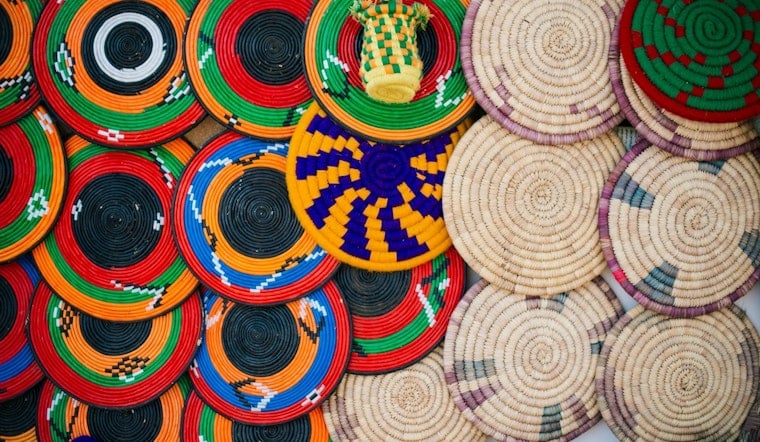
Washington Park's Sunken Garden transforms into a sprawling marketplace of art, music, and culture this Labor Day weekend as the 36th Annual African Festival of the Arts returns September 5 through 7. Organizers expect between 30,000 and 50,000 people to pass through the gates over the three-day run, drawing on a loyal audience that comes back to the South Side year after year.
The 2026 edition carries the theme “Crowning the Heritage,” and its musical lineup leans on star power, according to the Chicago Defender. Gospel singer Shirley Caesar headlines Sunday, September 6, while R&B artist Leela James closes out the festival on Monday, September 7. As WGN-TV notes, the festival includes cultural demonstrations and activities for the whole family, with details available through organizers at aihusa.org.
Fine art remains central to the festival's identity this year. Sculptor Woodrow Nash returns as the featured artist for his first appearance at the event since 2019, joined by returning painters Dayo Laoye and Frank Frazier, the Defender reports. Chicago Mayor Brandon Johnson and the First Lady of Chicago have also been designated the festival's 2026 Grand BaBa and Grand YeYe, a civic honor the festival routinely bestows on community and municipal leaders.
Tickets, Hours and Where to Find the Gates
Single-day admission runs between $30 and $32, with gates open daily from 10 a.m. to 10 p.m. at 55th Street and Cottage Grove Avenue, according to Time Out Chicago. The festival grounds sit within the historic Sunken Garden area of Washington Park, a 367-acre greenspace designed by Frederick Law Olmsted that has long served as a center for Black cultural gatherings on Chicago's South Side, per background compiled by Harvard's DASH repository. The park is also home to other major South Side traditions, including the Bud Billiken Parade.
Inside the grounds, the festival is organized into distinct cultural villages, among them a Fine Art Pavilion, Wellness Village, and Quilt Pavilion, housing nearly 300 local, national, and international vendor booths, according to the MacArthur Foundation. Those simulated villages are designed to recreate regional African cultural and commercial traditions, giving attendees a walk-through experience of art, fashion design, and craft alongside the main-stage performances.
From a Hyde Park Storefront to a Regional Tradition
The festival's roots trace back to 1989, when it began as a small neighborhood gathering created to market Window to Africa, a Hyde Park art shop owned by Patrick Saingbey Woodtor, according to N'DIGO. WTTW News has reported the same origin story, noting the event eventually outgrew its Hyde Park footprint and moved to Washington Park to accommodate its increasing attendance. Woodtor, a Liberian-born entrepreneur, founded the festival's parent nonprofit, Africa International House USA, Inc., in 1984 alongside his late wife, Dr. Delores Parmer Woodtor.
The festival has continued its Labor Day programming even as broader challenges have reshaped Chicago's festival season. The TRiiBE reported that local community anxieties and venue disruptions tied to 2025 federal immigration enforcement operations affected events across the city, but organizers maintained the African Festival of the Arts' annual run regardless, pointing to strong cultural demand and ongoing safety coordination with city agencies.
WGN-TV's Spotlight Chicago segment, which airs weekdays from 1 p.m. to 2 p.m., featured a discussion about this year's festival with guests Kristina Williams and Abdul Ahmed Brimah, part of the station's ongoing coverage of local arts and culture happenings. The segment was reported by WGN-TV journalists Ji Suk Yi and Sarah Jindra.





