

























































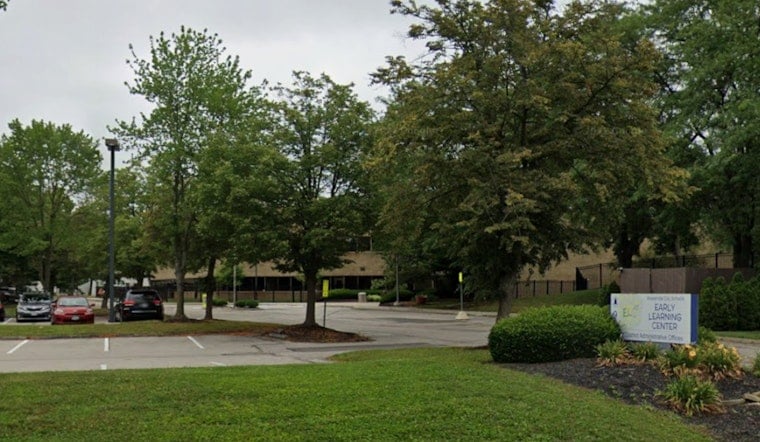
Westerville City Schools is heading into the new school year short 14 bus drivers, a gap so wide that the district's board voted to stop transporting 105 private and charter school students across 19 schools. District administrators say the vacancies are already contributing to double-back routes and morning schedule delays for the roughly 10,393 students assigned to the district's 94 daily bus routes serving 37 locations.
As reported by the Columbus Dispatch, Westerville City Schools returned to the classroom on Aug. 18, 2026, missing drivers for nearly a fifth of its bus routes. Reporter Lilli Malone's account describes a district straining to keep its existing routes running while driver openings sit unfilled. That staffing gap, according to Citizen Portal, is what pushed the school board to declare the 105 nonpublic students “impractical to transport” at its August meeting.
Why the District Can Legally Drop the Routes
Under Ohio Revised Code Section 3327.01, public school districts are legally required to transport eligible K-8 students living more than two miles from school, including resident students who attend nonpublic or charter schools. When a district cannot meet that obligation, state law allows it to formally declare the routes impractical rather than run them anyway, a step Westerville has now taken for 105 students.
Ohio law also allows public school boards to offer parents a cash payment in place of the canceled bus service. For the 2026–27 school year, the state-calculated payment in lieu of transportation for affected Westerville families was set at $636.75 per eligible student, per the same Citizen Portal report. The Ohio Department of Education and Workforce determines those minimum and maximum payment ranges annually based on average statewide pupil transportation expenses.
Westerville is not new to this workaround. State transportation data reported in August 2026 showed the district is the second-largest user of payment-in-lieu declarations in Franklin County, trailing only Columbus City Schools, having previously paid families for 304 students. Across the county as a whole, more than 3,800 students have been declared impractical to bus due to transportation constraints.
A Statewide Recruitment Problem
Westerville's struggle mirrors a bottleneck playing out across Ohio. Data from the Ohio Department of Education and Workforce, cited by the Ohio Capital Journal, found that public school districts statewide filled an average of only 14.68% of vacant bus driving positions during fiscal year 2025. State task forces have recommended systemic transportation funding reforms and regional route-sharing to ease the chronic vacancies.
Westerville has tried to compete for drivers with an aggressive recruitment package, according to the district's own hiring materials. The offer includes starting pay of $20 or more per hour, up to $3,000 in signing bonuses, full coverage of CDL licensing fees, $500 referral bonuses, and a $19,000 annual renewable college scholarship for drivers' dependent children. The district hires both CDL-certified school bus operators and non-CDL MyVan drivers for special needs transportation.
The district has also tried to cut costs elsewhere in its transportation budget. Westerville converted 96 of its 116 school buses to run on propane power, a shift that WBNS 10TV reported has reduced fuel and routine engine maintenance costs by roughly 50% compared with traditional diesel buses. Fleet managers noted that propane pricing is significantly more predictable than volatile diesel markets, though that savings has not been enough to close the driver gap on its own.
Not the District's First Rough Start
This is not the first time driver shortages have disrupted the school year in Westerville. During the 2024–25 school year, shortages forced the district to execute early student dismissals and double-back routes when driver call-offs outpaced available substitutes. That year, the district began the school year with six unassigned bus routes, leaving daily operations vulnerable to staff absenteeism, a number now more than double heading into 2026–27.
The pressure is not unique to Westerville. Neighboring Columbus City Schools conducted active-threat drills for 600 drivers this month as it manages its own severe route cuts, and Hoodline has previously reported on similar transportation crunches in Delaware County, Warren County and the Lakota district. Whether Westerville's incentive packages and fleet upgrades can close its own gap remains an open question, one tied to whether Ohio lawmakers pursue the funding and staffing reforms state task forces have recommended.





