

























































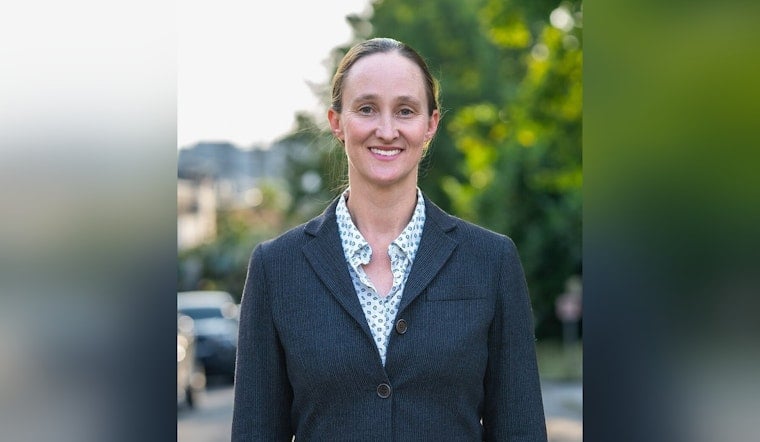
Seattle Mayor Katie Wilson is rolling out a new executive order aimed at speeding up housing construction and tackling affordability, directing city agencies to cut through the permitting delays that have frustrated developers for years. Executive Order 2026-4 establishes a Housing Production Task Force and an interdepartmental team spanning utilities and housing agencies, with Wilson set to detail the actions Wednesday in Seattle.
According to KOMO News, the order calls for changes to streamline permitting and is designed to spur both affordable and market-rate housing production. The mayor's office described the move as the next step toward ensuring everyone has a home they can afford, and KOMO planned to livestream Wilson's press conference on the announcement. The new task force will advise the mayor's housing agenda, craft recommendations to prevent displacement, attract development to Seattle, support affordable and community-based developers, and build needed housing — while also bringing together communities most impacted by city policy.
Permit Delays Nearly Double City Targets
The urgency behind the order is grounded in hard numbers. City permit reviews averaged 374 days for large multifamily projects in August against a 180-day target, while so-called middle housing took 117 days versus a 60-day goal, according to Seattle Department of Construction & Inspections data reported by Capitol Hill Seattle Blog. Those figures show the gap between the city's own benchmarks and real-world review times, a gap the new interdepartmental team is meant to close by expediting timelines and permitting across agencies.
That benchmark itself dates back to October 2025, when the city launched its Permitting Accountability and Customer Trust team and set a formal goal of cutting construction permit review times by half, per the Seattle Department of Construction and Inspections. Those targets range from 30 days for minor alterations up to 180 days for complex developments, meaning the current 374-day average for large multifamily projects still runs more than double the goal SDCI set nearly a year ago.
Building on Earlier Moves at City Hall
Wednesday's order is not Wilson's first swing at the permitting problem. In February, the mayor appointed longtime city official Sam Steele as interim director of SDCI specifically to address the severe backlog and speed up review timelines, a move Hoodline reported came amid a broader slowdown in regional residential housing starts. Earlier this month, Wilson also signed a State Environmental Policy Act reform bill sponsored by Councilmember Eddie Lin, streamlining environmental appeals and reducing procedural delays for major housing and planning proposals — though individual project-level reviews remain subject to administrative appeal even under that law.
The mayor's housing push has not been without friction. In July, Wilson paused a proposed two-year plan to reduce Mandatory Housing Affordability developer fees after the Housing Development Consortium withdrew its support, exposing tension between City Hall and housing advocacy groups over how the city's affordable-unit funding mechanism should work. The city's MHA program requires developers to either build affordable units directly or contribute to a municipal housing production fund, and that unresolved fee debate looms over the new task force's mandate to attract development to the city.
Executive Orders as a Recurring Tool
This is also not Wilson's first use of executive authority to bypass bureaucratic bottlenecks. Her initial orders, issued in January shortly after she took office on an urbanist housing platform, deployed interdepartmental teams to accelerate permitting for emergency shelters and created a dedicated bus lane on Denny Way, according to Hoodline's earlier coverage of that shakeup. Those orders tied into a citywide goal of adding 1,000 emergency shelter beds during 2026, largely through streamlined permitting for micro-modular and tiny house shelter villages, most of which are managed by the Low Income Housing Institute in partnership with the city.
Executive Order 2026-4 also arrives alongside a bigger structural shakeup in how the region handles housing and homelessness. Wilson and King County Executive Girmay Zahilay have announced plans to shift nearly $160 million in human services contracts away from the King County Regional Homelessness Authority back to city and county control by January 2027, a reorganization Hoodline detailed after the authority faced ongoing administrative and cash-flow challenges. Meanwhile, the city's Office of Planning and Community Development released Phase 2 of its 10-year Comprehensive Plan update in January, proposing denser housing across 30 new Neighborhood Centers and simpler rules in midrise residential zones that had previously forced developers into complex design departures, according to PubliCola.
State Law Sets a Floor Under Local Action
Seattle's local push is also operating inside a new statewide framework. Governor Bob Ferguson signed House Bill 2266 into law this year, establishing statewide permitting rules that bar local jurisdictions from denying land-use permits for permanent supportive housing or emergency shelters in commercial and residential zones, a mandate Hoodline reported eliminates certain local barriers to housing regardless of city policy. Washington is separately weighing a proposal to create a cabinet-level Department of Housing by late 2026, underscoring how much of the pressure on cities like Seattle is now coming from Olympia as much as from City Hall.
Taken together, the order marks the latest phase of an agenda that began with emergency shelter expansion and has steadily widened into structural reform of market-rate and affordable housing production alike. Whether the new interdepartmental team and task force can actually close the gap between paper approval timelines and real-world construction remains the open question hanging over Wednesday's announcement.



.jpg)