

























































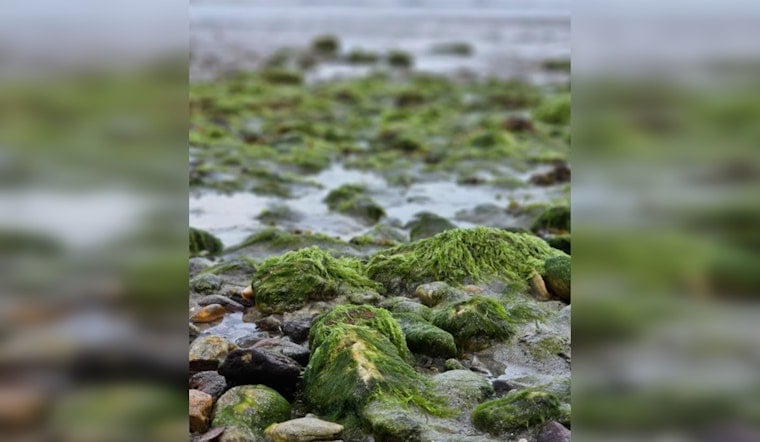
Wisconsin health and environmental regulators have logged 217 algal bloom reports so far in 2026, about 60 more than at this point last year, as toxic blue-green algae spreads across the state's lakes, rivers and reservoirs during what officials call peak season. State health investigators have tied 24 illnesses to the blooms this year, including 15 cases in children under 18, and blue-green algae toxins are blamed for the deaths of two dogs.
The surge was first detailed by Urban Milwaukee, which reported that the Wisconsin Department of Natural Resources has confirmed about 70 percent of this year's algal bloom reports involved cyanobacteria, or blue-green algae — 153 of the 217 total reports. Ashley Vickers, the Wisconsin Department of Health Services epidemiologist for the Harmful Algal Blooms Program, said her office has investigated 30 reported illnesses in 2026, finding 24 were likely tied to blue-green algae exposure. By comparison, the state saw just 19 illness reports and a single dog death during the entire 2025 season, per the same report.
Two central Wisconsin waterbodies have driven much of this year's concern. State health investigators looked into 11 illness reports connected to Lake Du Bay, which spans Marathon and Portage counties, and nine more tied to Booth Lake in Walworth County. Samples from both lakes contained microcystin, a toxin produced by blue-green algae, according to Urban Milwaukee's reporting. Health departments in Marathon and Portage counties issued a joint advisory for Lake Du Bay on August 13 after testing confirmed cyanobacteria toxins and residents reported illnesses, according to the Waupaca County Post.
Why the Blooms Keep Coming Back
Gina Laliberte, the DNR's statewide harmful algal bloom coordinator, said hot weather heats the upper layers of lake water, favoring blue-green algae while deterring other, less harmful algae species. The DNR notes that blooms in Wisconsin's lakes naturally peak between mid-July and late September, when high surface temperatures and calm conditions create ideal growing conditions. Laliberte also said drought conditions and changing water levels may be driving more reports this year, while the state has more broadly experienced warmer and wetter conditions, longer growing seasons and less ice cover.
Warm, calm weather combined with storms and nutrient runoff creates especially favorable conditions for the blooms, which typically form in lakes and waterways with high nitrogen and phosphorus levels. Wisconsin set numeric phosphorus standards for surface waters under Chapter NR 102 of the state's administrative code in 2010, aiming to curb nonpoint nutrient runoff from farms and urban streets, according to the Wisconsin DNR. But weather-driven runoff during extreme rainfall events can outpace what those long-term regulations were designed to prevent.
The problem is not limited to Lake Du Bay and Booth Lake. Bottom-dwelling blue-green algae, which needs clear water on lake floors for sufficient sunlight, has also been showing up more often — Wisconsin logged 34 reports of the bottom-dwelling variety in northern lakes this year, up from 21 in 2025. Those mats can float to the surface once conditions shift. Blue-green algae has also been spotted in the inner harbor of Lake Superior and the St. Louis estuary in Superior, while a separate type of algae, Cladophora, has been reported along the northern half of the Lake Michigan shoreline.
What the Blooms Look Like — and How Exposure Happens
Blue-green algae blooms can look like pea soup or spilled green and blue paint, though they can also appear reddish-purple or brown. Symptoms of exposure — including stomach cramps, diarrhea, vomiting, cough, sore throat, headaches and rash — can appear within minutes to hours of contact, according to Urban Milwaukee's reporting.
Exposure does not require swimming or swallowing water. Marathon County health officials warned boaters and water skiers this month to steer clear of blooms on Lake Du Bay, since motorboat propellers can generate airborne aerosols that cause inhalation exposure. Dale Grosskurth, environmental health resource coordinator with the Marathon County Health Department, urged residents not to swim in water containing blue-green algae and not to boat, jet ski or water ski through it. He also urged people to keep children and pets away from the blooms entirely.
Pets face a distinct danger because they often groom their fur after wading into contaminated water, ingesting concentrated microcystin directly in the process, the Wisconsin Department of Health Services warned in a July 2024 health bulletin. The department recommends washing pets with clean water immediately after any contact with a bloom, and people are advised to shower with soap and water after swimming in affected areas.
National Picture and Where to Report Problems
Wisconsin's spike fits a broader national pattern. A 2024 CDC summary report on the national One Health Harmful Algal Bloom System found that 15 reporting states documented more than 102,000 animal illnesses and 372 bloom events in 2022, with children under 18 making up nearly 45 percent of human cases — underscoring why kids remain the most affected group in Wisconsin's own tally this year. More than a quarter of Wisconsin's 2025 blue-green algae reports occurred in September alone, suggesting the current season's risk may extend well into fall.
The U.S. Environmental Protection Agency has set recommended recreational swimming thresholds of 8 micrograms per liter for microcystin and 15 micrograms per liter for cylindrospermopsin, benchmarks local health departments lean on when deciding whether to post beach advisories. Vickers has recommended that local health departments continue issuing advisories for the rest of the swimming season, and she said microcystin levels are expected to remain elevated. Wisconsin has run its Harmful Algal Blooms Surveillance Program since 2013 through a cooperative agreement with the CDC, coordinating water sampling and case investigations between health officials and DNR staff.
Anyone who spots a suspected bloom is encouraged to report it to the DNR through its online form, and people or pets showing exposure symptoms should contact a medical provider or veterinarian right away. The Wisconsin DNR also advises calling the Wisconsin Poison Center at 1-800-222-1222 for symptoms such as stomach cramps, vomiting, fever or difficulty breathing. The risk isn't confined to lakes, either — the state health department has previously warned that commercial dietary supplements and kombucha products containing blue-green algae have been recalled by the FDA after testing showed microcystin levels exceeding international safety standards.





