

























































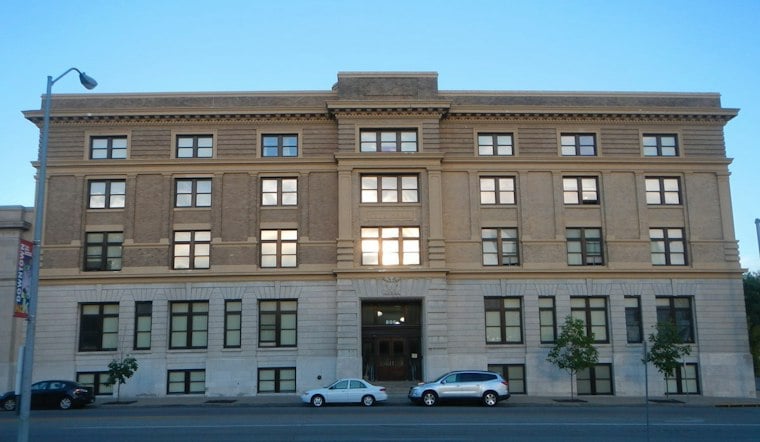
City Union Mission is marking 102 years of service in Kansas City with a plan to grow its shelter capacity by 40%, aiming to provide nearly 118,000 bed nights in 2027. The faith-based nonprofit, founded in 1924 by the Rev. and Mrs. David Bulkley, says the expansion comes as rising living costs, addiction, and mental health challenges continue to strain local families.
The organization detailed the plan as part of a broader effort called the 102 Years of Impact campaign, according to KCTV. City Union Mission also plans to hold projected operating budget growth to just 2.5%, even as it scales up services, and it says community members can support the effort through volunteering, hosting donation drives, or offering professional services.
The expansion push comes under new leadership. Gareth Keown, who previously led Midwest Food Bank Texas, was appointed CEO of City Union Mission in late 2025, and this past June he launched a 90-day public initiative called The Road Back, laying out the organization's strategic vision ahead of the 2027 capacity increase.
A Faith-Based Model Built Entirely on Private Giving
Unlike municipal or government-affiliated shelters, City Union Mission takes no funding from federal, state, or local government agencies and is not a United Way agency. Per the ECFA, the mission operates entirely through private gifts from individuals, churches, foundations, and businesses — meaning the entire 40% expansion depends on donor support rather than public dollars.
That independence has allowed the organization to grow well beyond emergency shelter alone. As KCTV's report notes, City Union Mission has evolved into a comprehensive recovery hub offering case management, spiritual care, addiction recovery programming, licensed counseling, and vocational training with job placement preparation, alongside emergency shelter, meals, and clothing.
Long-Term Programs and a Dedicated Family Center
Beyond emergency stays, City Union Mission runs long-term residential programs including the 12-to-18-month Christian Life Program for men and the 9-month New Life Program for women and families. Those two programs combined for more than 17,600 bed nights in fiscal year 2025, according to Cause IQ, and pair GED education with work therapy and counseling.
The organization's Family Center offers 142 beds across 28 rooms for single women and parents with children, with 30-day initial stays, case management, and three daily meals, according to the Starfish Project. The facility also includes an on-site nurse and early childhood learning support. City Union Mission additionally maintains the Annie Chambers Giving Circle, a philanthropic group named for the historic Kansas City figure, where female donors pledge $50 monthly and commit to volunteering at least once per month to support long-term care for women and children.
The mission's family and youth support work extends outside city limits, too. Its Camp CUMCITO retreat in Warsaw, Missouri, served 113 low-income children ages 4 to 16 in fiscal year 2025, delivering 716 bed nights and 1,695 meals, per Cause IQ.
How the Expansion Fits Into a Growing Regional Need
City Union Mission's growth arrives against a backdrop of significant regional need. The 2025 Point-in-Time count, compiled for the Greater Kansas City Coalition to End Homelessness, recorded 2,654 homeless individuals across the metro area on a single night, including 1,641 people in shelters and 1,013 unsheltered, according to InfluenceWatch. The count is a HUD-mandated annual census of sheltered and unsheltered residents.
Public efforts have expanded alongside private ones. In February 2025, the City of Kansas City announced it was moving its emergency shelter model into a year-round low-barrier network offering up to 160 city-funded beds, an expansion initiated under Mayor Quinton Lucas's Zero KC strategic plan, according to the City of Kansas City. Under the Zero KC Extreme Weather Plan activated for the 2025–2026 winter season, total metro cold-weather shelter capacity reaches 931 beds, combining 491 city-funded low-barrier beds with 440 community-partner beds, with emergency beds operating first-come, first-served across eight locations.
Public visibility into the crisis remains high as well. Kansas City's Open Data tracking shows that 311 service requests regarding “Homeless Camp” reports logged through myKCMO are updated daily and remain among the city's most frequently accessed public datasets as of August, according to Open Data KC. Against that backdrop, City Union Mission's push to add nearly 118,000 bed nights by 2027 represents one of the larger private bets on Kansas City's homelessness response, one that will rise or fall on whether donors keep pace with the need.





