

























































Addy Walker's story begins on a North Carolina plantation in 1864, but it ends in Philadelphia, where a young girl and her mother find freedom after escaping slavery. That fictional journey, brought to life through American Girl's first African American doll, is rooted in real Philadelphia history, according to CBS News Philadelphia.
Pleasant Company introduced Addy Walker in September 1993 as its fifth historical character and first Black doll, marking her national debut at the National Council of Negro Women's Black Family Reunion Celebration in Washington, D.C., according to Wikipedia. The company had launched its historical doll line in 1986 with three white characters before expanding the lineup seven years later to include Addy.
A Story Built on Real Philadelphia Institutions
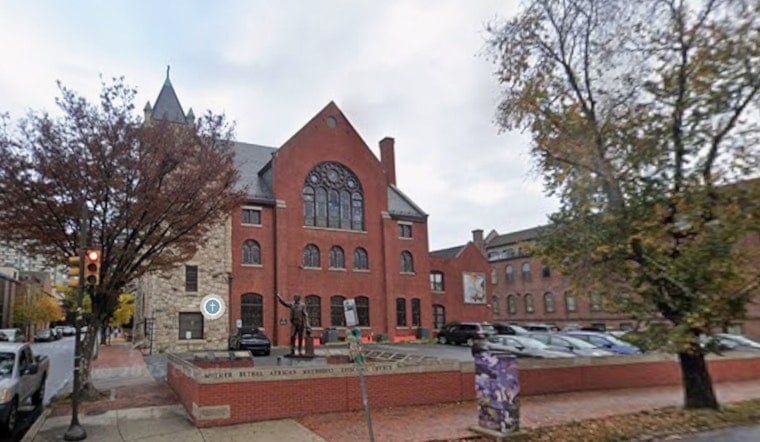
Author Connie Porter wrote the original six-book Addy Walker series and traveled with Pleasant Company staff to historic Philadelphia sites, including Mother Bethel A.M.E. Church, to research Addy's free community life, according to Slate. The books follow nine-year-old Addy and her mother as they escape a North Carolina plantation and rebuild their lives in the city.
The narrative weaves in real 19th-century Black institutions, including the Institute for Colored Youth — the nation's first Black high school — and community churches modeled on Mother Bethel A.M.E. Church, per the same account documented by 1838 Black Metropolis. Civil War-era Philadelphia supported a vibrant free Black population and active Underground Railroad networks, a backdrop that grounds Addy's fictional escape in documented local history.
An Advisory Board Shaped the Doll's Accuracy
To ensure cultural accuracy, Pleasant Company assembled an advisory board of Black historians and scholars who spent more than a year critiquing book manuscripts and doll prototypes, according to the Changnon Family Museum. That board also guided the decision to set the story in 1864, so the Civil War's end would align with the arc of the six-book series.
Addy also broke ground physically. She was the first American Girl doll created with a custom face mold rather than the brand's original Classic mold, and the first to feature dark brown textured hair and permanent gold hoop earrings, per American Girl Doll News. Every American Girl historical character before her had shared the same facial mold structure.
Decades Between Black Historical Characters
After Addy's 1993 debut, American Girl did not release another Black historical doll for nearly two decades. Cécile Rey arrived in 2011, followed by Melody Ellison in 2016 and Claudie Wells in 2022, according to American Girl Doll News. That long gap has drawn scrutiny from scholars and collectors who have examined the pacing of representation within the historical doll line.
Media researchers and doll historians note that while Addy's Civil War narrative brought serious history to children's literature, it also sparked ongoing debate over whether Black toy representation leans too heavily on stories of historical trauma rather than everyday Black joy, according to The Warrior. Claudie Wells, a doll set in the Harlem Renaissance, was later created specifically to showcase Black artistic flourishing rather than hardship.
A Brand Milestone With Corporate and Academic Reach
The American Girl brand itself changed hands in 1998, when Mattel acquired Pleasant Company in a deal valued at $700 million, according to the Los Angeles Times. Pleasant Rowland had founded the company in 1986 using $1.2 million in textbook royalties.
American Girl dolls were later inducted into the National Toy Hall of Fame at The Strong National Museum of Play in November 2021, recognizing their impact on historical storytelling and play, per the Strong National Museum of Play. In 2023, scholars marked Addy Walker's 30th anniversary, including San Diego State University researchers who spent 10 days retracing Addy's fictional Underground Railroad path to Philadelphia, according to SDSU News, examining how the doll's story intersects with girlhood studies and American consumer culture.





