

























































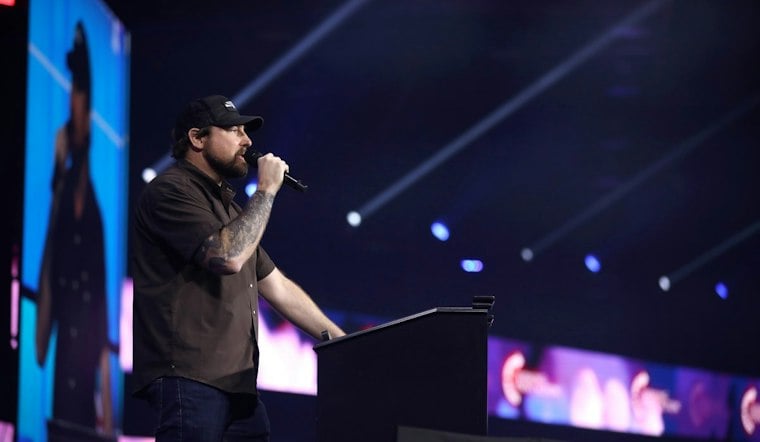
Arizona Congressman Eli Crane accepted more than a dozen small campaign donations from celebrity hairstylist Frédéric Fekkai between late 2024 and late 2025 — money that kept arriving even as Congress fought over releasing the Jeffrey Epstein files, and just months before seven survivors sued Fekkai accusing his salons of serving as an “epicenter for victim grooming.” Fekkai gave Crane's campaign $1,400 total, mostly in $100 monthly installments, according to federal election records.
A Pattern of Small, Steady Donations
According to Phoenix New Times, Fekkai's giving started in November 2024 with a $100 contribution, followed by a second $100 donation three days later and a third five days after that. The outlet reported that Fekkai donated $1,400 over an 11-month period. Fekkai is listed as being based in Connecticut in Federal Election Commission records, far from Crane's northern Arizona district.
Crane's campaign spokesperson Greg Smith told the outlet that the congressman never met Fekkai and knew nothing of his ties to Epstein. After the connection surfaced, Smith said Crane donated $2,800 to Destiny House Restoration Center, a Prescott-based nonprofit combating human trafficking. The organization runs a 20- to 24-month residential program serving adult female survivors of trafficking, offering housing, mental health therapy, mentorship, and holistic care in Northern Arizona, according to Prescott LIVING Magazine. It was founded in 2012 by David and Lisa Mitts.
Crane's District and Its Outside Money
Crane represents Arizona's 2nd Congressional District, a sprawling stretch of northern and eastern Arizona that includes the Navajo Nation, Flagstaff, and Sedona, and extends into parts of Pinal and Maricopa counties, per the same Phoenix New Times account. More than 90% of his 2024 reelection donations came from outside the district, according to a Brennan Center analysis cited in the report.
Crane, a member of the Freedom Caucus who serves on the Homeland Security Committee, grew up in Yuma, became a Navy SEAL, and co-founded Bottle Breacher, a company that sells bottle openers made from used bullets, per the article. He initially signed onto Representative Thomas Massie's petition to force a House vote on releasing the Epstein files, then retreated from it and declined to sign an updated version of the resolution, the outlet reports.
The Vote and the Aftermath
Representative Ro Khanna introduced the Epstein Files Transparency Act in July 2025, and Massie followed with a discharge petition that September to force a floor vote. The House ultimately passed the bill 427-1, with Crane voting yes. The Senate cleared it by unanimous consent, and President Trump signed it into law on November 19, 2025, according to Wikipedia. Representative Clay Higgins of Louisiana cast the lone dissenting vote. The law gave the Department of Justice a 30-day deadline to release all non-exempt Epstein records.
Crane wrote at the time that “at the same time, I believe we must protect the privacy of victims and avoid unfairly damaging the reputations of those who did nothing wrong,” per Phoenix New Times. Fekkai's donations stopped after the transparency bill vote, the outlet notes. The discharge petition itself had reached its required 218th signature on November 12, 2025. Arizona Representative Adelita Grijalva was sworn in, according to PBS NewsHour.
Files Released, Fekkai Named on the House Floor
The Justice Department released more than 100,000 Epstein-related files in December 2025, followed by three million more documents in January 2026, which Britannica describes as the last significant disclosure in the case, according to Britannica. Survivors and several lawmakers have continued to accuse the DOJ of applying excessive redactions to the release, per the same source.
On the first night Congress returned after its August recess, Representative Massie named 12 people, including Fekkai, on the House floor, as reported by Law Commentary. Fekkai and his salon were referenced more than 3,000 times in the Epstein files, according to the lawsuit later filed against him.
Survivors Sue, Describing Salon as Grooming Site
Seven female Epstein survivors, including former model Kersti Ferguson and former Playboy model Audra Christiansen, filed a civil lawsuit on September 1, 2026, in New York Supreme Court against Fekkai, describing his salons as an “epicenter for victim grooming,” according to Forbes. The lawsuit alleges Fekkai allowed Epstein to use his salons to manipulate, coerce, and commit gender-motivated violence against young women and girls, and that he enabled Epstein's abuse for more than 15 years. It claims Epstein brought groups of girls to the Manhattan salon and that Fekkai groomed them to look younger at Epstein's direction. One plaintiff says she was victimized by Epstein at age 16.
The lawsuit alleges Fekkai allowed Epstein to use his salons to manipulate, coerce, and commit gender-motivated violence against young women and girls, and that he enabled Epstein's abuse for more than 15 years. It claims Epstein brought groups of girls to the Manhattan salon and that Fekkai groomed them to look younger at Epstein's direction. One plaintiff says she was victimized by Epstein at age 16.
Mark Hatton called Crane's acceptance of donations from elites who enabled Epstein's abuse disgusting, saying the congressman protected the wealthy and powerful instead of standing up to Arizonans, per Phoenix New Times' reporting. Massie has separately introduced the Epstein Files Transparency Act II in July 2026, aiming to grant survivors, state attorneys general, and lawmakers legal standing to sue the Justice Department over withheld or heavily redacted records, and launched a second discharge petition in August to force a vote on it, according to Law Commentary.
Hoodline has previously reported on survivors' legal battles over the DOJ's document releases, as well as on the sheer volume of unsealed material and its ripple effects on figures named within it.





