

























































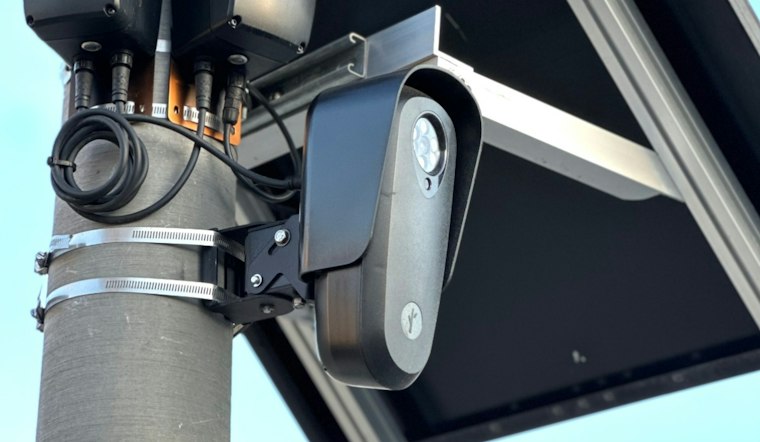
Atlanta Mayor Andre Dickens is pushing new citywide rules for license plate readers and other public safety camera technology, after an internal audit of the police department's Flock camera searches flagged dozens of queries for further review. The proposal, which would apply to the Atlanta Police Department and other city agencies, comes as departments across Georgia have spent the summer uncovering officers who misused the same surveillance systems for personal reasons.
The push follows a review that found the Atlanta Police Department ran 115,578 Flock license plate reader searches so far this year, according to FOX 5 Atlanta. The department flagged roughly 0.07 percent of those searches, meaning they require review for compliance with department policies and training requirements — not that a violation has been confirmed. Dickens ordered the audit himself, and Police Chief Darin Schierbaum expects the investigation into the flagged searches to wrap up within 60 days, per the outlet's report.
What the Audit Actually Found
The city's own numbers, released Monday in a formal system review report, tell a similar story: 99.93% of the department's 115,578 Flock searches this year complied with department guidelines, while 0.07% were flagged for inquiry patterns of concern, according to the Atlanta Police Department. The department has already revised its license plate recognition policy to spell out permitted and prohibited uses, and it has established monthly audits along with updated training requirements, the FOX 5 report notes. Access has also been tightened — outside law enforcement agencies must now route inquiries through authorized APD task force officers, and access through retired reserve officer accounts has been restricted.
Any confirmed misuse could carry real legal weight. Georgia law under O.C.G.A. § 35-1-22 restricts automated license plate reader data to legitimate law enforcement purposes, making unauthorized searches a high-and-aggravated misdemeanor punishable by up to $5,000 in fines and a year in jail, according to Hoodline's reporting on the statewide crackdown. Sworn officers who run improper searches can also face an additional felony charge of violation of oath of office under O.C.G.A. § 16-10-1, which carries a potential one-to-five-year prison sentence.
A Statewide Reckoning Behind the Timing
Atlanta's move lands in the middle of a much broader Georgia crisis. Personnel across at least 17 Georgia law enforcement agencies had been arrested, terminated, investigated, or disciplined for misusing Flock Safety databases for personal reasons, according to the Atlanta Journal-Constitution. Flock Safety's rollout of a new automated audit tool in mid-2026 coincided with audits. The fallout has touched agencies across metro Atlanta and beyond. Hoodline has reported on officers losing their jobs in Peachtree City and a deputy charged in Clayton County. Henry County's McDonough Police Department was a rare exception, with its own audit turning up no misuse at all.
Beyond License Plates: A 29,000-Camera Network
The proposed legislation would reach well past Flock's plate-reading cameras. Atlanta's surveillance footprint already includes the ConnectAtlanta initiative and its Video Integration Center, which links more than 29,000 public and private cameras into a real-time monitoring map that APD operates using Fusus software, according to SaportaReport. Under Dickens' proposal, high-risk law enforcement systems would face monthly internal audits, quarterly public reporting on findings and corrective actions, and an annual independent compliance review, while the city would also build a public inventory of covered technologies.
The legislation would also bar city technology from being used for discriminatory or viewpoint-based purposes, or for personal, commercial, or other unauthorized uses. Temporary technology deployed for an emergency or major event could not automatically become permanent without further review, and any new or significantly changed high-risk technology would face additional scrutiny before rollout. Contracts with Flock and other covered vendors would have to incorporate the city's own privacy, security, access, and data-retention standards, with vendor compliance reviewed annually.
Civil Liberties Groups Push for More
Not everyone thinks the mayor's plan goes far enough. The ACLU of Georgia is working to bring a Community Control Over Police Surveillance campaign to Atlanta, as described in ACLU of Georgia materials. That framing echoes the group's testimony before other metro councils, including in Doraville, where it has separately warned against surveillance overreach.
The scale of what's being debated is notable given where Flock Safety is based. Flock Safety operates in more than 5,000 communities and has an estimated $8.3 billion private-market valuation, according to Wikipedia. Yet privacy advocates say the scale of data collection raises concerns about how much of it gets used for actual policing.
How Atlanta Compares to Its Neighbors
Atlanta isn't the first metro jurisdiction to tighten the rules. Gwinnett County Police updated their Flock camera rules this month, requiring supervisor approval before conducting searches and cutting data retention time in half, from 30 days to 15 days, according to Atlanta News First. That change came in the wake of firings and arrests among Gwinnett officers over improper database lookups.
Dickens said the proposal aims to balance law-enforcement technology with privacy protections and oversight, according to a city press release. The mayor's administration plans to ask the city council for a work session on the legislation's legal, technological, and operational aspects, along with a public hearing for residents, civil rights organizations, privacy experts, public safety officials, and other stakeholders. The Atlanta City Council is set to consider the proposed legislation at its meeting next Monday, with council committees able to make changes before a final vote, which the council plans to take up within 60 days of the bill's introduction.



