

























































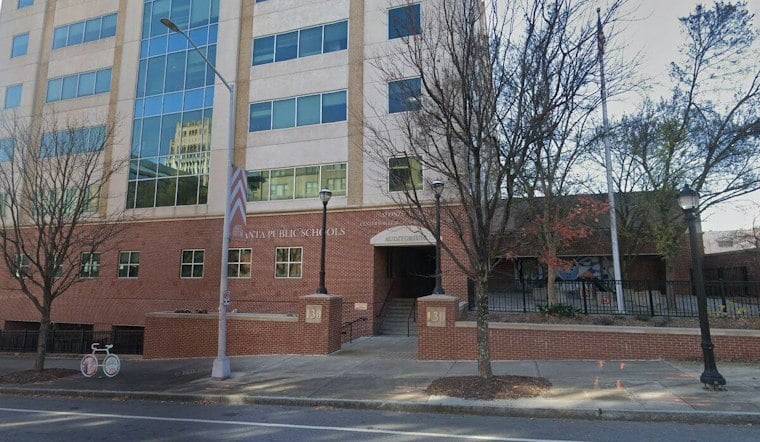
Atlanta Public Schools is drafting a new artificial intelligence policy that would bar students from using chatbots like ChatGPT to do their schoolwork, even as the district pushes ahead with an opt-out AI literacy course for every graduating senior. The proposal, previewed during an August board policy update, sets up a vote by administrators in November that will decide how far the district goes in regulating classroom AI use.
According to Atlanta News First, the new policy aims to establish guardrails on how educators and students can use chatbots, with students prohibited from using AI to complete assignments or generate their work. Students may still use AI when its use connects to a clearly identified instructional objective, and teachers are permitted to use the tools to help plan lessons, the outlet reports. Teachers are also barred from entering sensitive information into AI platforms under the emerging rules.
District officials speaking to the outlet said nothing replaces a teacher or the human connection, and that the policy aims to ensure humans stay at the center of education. Officials also called AI a moving target, and one administrator said many parents may not understand the pitfalls of AI and chatbots.
Which Tools Are Actually Getting Banned
The district has been more specific about how students and educators may use AI. The policy discussion focused on guardrails for AI use in schools.
That distinction has not satisfied everyone. A petition related to APS and AI has also been mentioned. The draft policy's classroom implementation remains under discussion.
Seniors Already Enrolled in an AI Course
Even as the district weighs restricting chatbot access, it has already moved forward on a separate front. For the 2026-2027 school year, Atlanta Public Schools automatically enrolled all high school seniors in a 5-to-10-hour Google AI Essentials course on Coursera meant to build workforce digital skills, according to the district's own program page. Families have an opt-out window through January 8, 2027, and seniors who finish the course by April 2027 receive formal recognition at graduation.
That mandatory course sits alongside a state directive that will eventually touch every Georgia high schooler. Georgia Senate Bill 179 made artificial intelligence and computer science competencies a required part of high school graduation statewide, with full implementation required by 2031, according to Novo Innovative Pathways. Local districts are being asked to build governance frameworks and curriculum pathways well ahead of that deadline, putting pressure on boards like Atlanta's to settle their rules now rather than later.
A Year of Privacy Friction Over Classroom AI
This is not the first time Atlanta parents have pushed back on AI in classrooms. Hoodline previously reported that Atlanta parents and school board members raised concerns over Amira, a state-funded AI reading screener that records student voices, which led APS to collaborate with state officials on paper-and-pencil alternatives, as reported by WXIA-TV. Georgia requires universal reading screeners for early elementary grades under state literacy legislation, which is part of why the tool was in classrooms in the first place.
The AI debate is also tangled up with a broader push to cut classroom screen time. Before introducing its AI policy proposal, the Atlanta Board of Education's policy review committee continued reviewing a draft policy establishing limits on instructional screen time in July. The district was also reviewing a draft policy on instructional screen time.
How Other Districts and the State Are Handling It
Atlanta is not writing these rules in isolation. The Georgia Department of Education has issued AI guidance. Educational AI guidance is developing at the state level.
Closer to home, questions about how to handle AI remain under discussion.
What Happens to Students Who Break the Rules
The sources cited here do not specify whether unauthorized AI-generated work falls under a particular rule. School-level academic-integrity rules are not addressed in the sources cited here.
The AI policy is expected to be considered at a November decision meeting by administrators. Until then, the district faces a familiar balancing act: state mandates pushing AI literacy into every classroom on one side, and organized parent skepticism demanding tighter guardrails on the other.



