

























































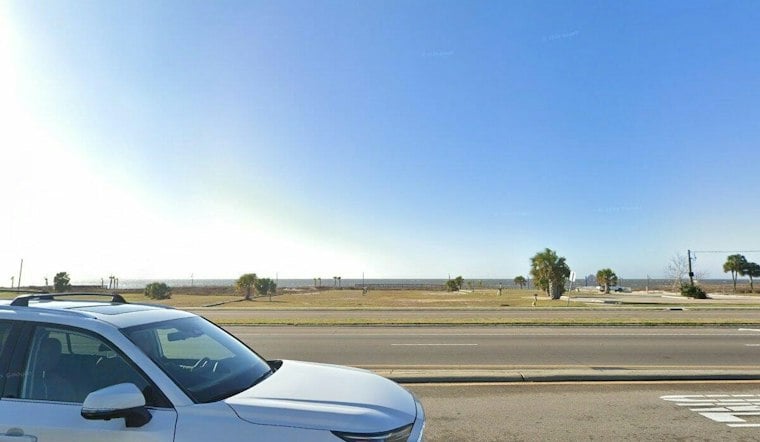
Twenty-eight protected live oaks and magnolias standing on an 11-acre waterfront lot near U.S. Highway 90 and Veterans Avenue in Biloxi are set to come down to make room for the proposed Black Marlin Casino, after the city's Planning Commission voted unanimously on September 3 to approve the project. Residents have since filed appeals with the Clerk of Council ahead of the September 11 deadline, bringing the matter before the full Biloxi City Council at its meeting Tuesday.
The trees at the center of the fight are estimated to be more than a century old, according to The Mississippi Independent, whose reporting forms the backbone of much of what's known about the dispute so far. Under Biloxi's Land Development Ordinance, developer RW Development must plant 209 new trees or pay into the city's tree mitigation fund to offset the loss of 25 live oaks and three magnolias, as detailed by Casino.org. Opposition to the removal has drawn more than 600 petition signatures, per the same account, with organizers calling for protection of 25 mature live oaks, one magnolia, and two hickory trees on the site.
An Arborist's Report and a History of Root Damage
A consulting arborist who evaluated the 28 protected trees found 18 in poor condition, seven in fair condition, and just three in good condition, Casino.org reports. The site is across from the Big Play Entertainment Center.
Not everyone believes the trees are too far gone to save. Larry Tucei, described in the seed reporting as an expert at aging live oaks who has measured and catalogued large specimens across the South for 20 years, said the casino-site trees could be incorporated into the development's site plans rather than removed outright. He pointed to the Ohr-O'Keefe Museum of Art, which built its site plan around its existing live oaks instead of clearing them.
Why the Trees Matter Beyond the Property Line
Live oaks capture carbon dioxide that contributes to climate change, and a single large live oak can absorb 50 to 100 pounds of carbon annually — more than the amount absorbed by five acres of small trees, according to the Mississippi Independent's reporting. The species can also withstand hurricane winds and storm surges thanks to deep, broad root systems and strong, twisting growth patterns. Preston Martin said the protected trees should be preserved to keep landscapes resilient and vibrant against development pressure, and argued developers could give customers shade simply by retaining them rather than cutting them down.
Gulf Coast cities frequently plant live oaks for their aesthetic value, and some coastal specimens are estimated to be more than 500 years old. The Friendship Oak on the University of Southern Mississippi Gulf Park campus in nearby Long Beach reportedly dates to 1487, measures a 155-foot foliage spread, and survived Hurricane Katrina in 2005, according to the University of Southern Mississippi. The tree was registered with the Live Oak Society around 1940 and remains a primary symbol of Gulf Coast natural history.
A Pattern Residents Say They've Seen Before
This isn't the first time Biloxi's tree ordinance has drawn scrutiny. In June 2026, the so-called Gruich Oak was among numerous Biloxi and Long Beach oaks cut after local board approvals, despite public pushback. Tree advocates argued during those hearings that the city was treating its preservation ordinance as little more than a replacement-fee mechanism rather than genuine protection.
Then in June 2026, developers in Biloxi and neighboring Long Beach cut down several contested live oaks after winning local board approvals, felling the trees before circuit courts could hear residents' appeals, according to the Mississippi Independent. Activists have said the episode illustrates their concern that developers can use administrative sign-offs to remove trees before judicial review has a chance to happen. Residents in both cities had appealed those tree-removal decisions to circuit court, but the trees came down first.
The Clock Ticking on RW Development
The push to clear the Black Marlin Casino site is tied to a state deadline. RW Development and Ray Wooldridge have pursued a casino at this location since 2008, facing three rejections from the Mississippi Gaming Commission before finally winning site approval in December 2023, a decision affirmed by Harrison County Circuit Court in August 2025, according to Casino.org. When the commission granted that approval, it set a three-year clock requiring RW Development to secure local approvals and demonstrate that local government does not oppose the project before seeking permission to proceed by late December 2026.
Site clearing was intended as the next step toward that approval, with Encompass Develop Design and Construct, headquartered in LaGrange, Kentucky, having submitted the application covering removal of the trees. The $119,000-square-foot project would include a 43,800-square-foot gaming floor along with hotel, food, and retail space, making it Biloxi's ninth casino resort and the 13th in South Mississippi, per Gambling.com.
A State Official Pushes Back on the Site Itself
Separately from the tree fight, the casino site's approval has drawn scrutiny over public beach tidelands and a planned handicap-accessible pier. The issues remain part of the broader dispute over the project even as the tree dispute plays out at the city level.
Written appeals to the Biloxi City Council Clerk were due September 11. The council is expected to take up the tree-removal proposal at its meeting Tuesday, and residents have been directed to send appeal comments to [email protected]. Whatever the council decides, RW Development still faces the state's own deadline, with plans to ask the Mississippi Gaming Commission for permission to proceed before the end of December.



