

























































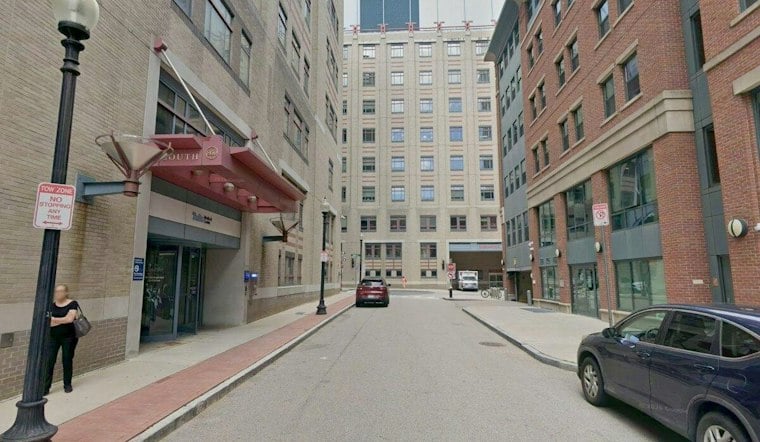
More than 30 illegal gambling parlors are operating inside the boundaries of Boston's Chinatown, according to residents cited in a report. Community members say the draw for many patrons, particularly seniors, is less about the games themselves and more about finding company and a way to fill their day. But what starts as recreation, residents warn, can slide into something closer to obsession, and the parlors themselves carry real risks for the elderly people who frequent them.
The report describes concerns about Chinatown's underground gaming scene. As reported by The Boston Globe, the scale of illicit gaming in the neighborhood has drawn scrutiny well beyond casual observers. In October 2025, state prosecutors secured guilty pleas from two individuals who ran unlicensed basement casinos, including one on Oxford Street in Chinatown, according to the Massachusetts Attorney General's Office. Law enforcement seized 22 slot machines, $141,000 in cash, and $6 million in untaxed cigarettes from that operation and a companion site in Quincy.
City Council Takes Notice
The issue has reached Boston's legislative chamber. In April, Green Sheets published a preview of Boston City Council business.
Boston Police District A-1, which covers Chinatown, has a history of working directly with neighborhood residents on public safety concerns. The department capped off a year of regular meetings with Chinatown community members in December 2024 focused on crime prevention and quality-of-life issues. The meetings were described in general public-safety terms, without a specific reference to illegal gambling parlors.
Why Seniors Are Drawn In
Gambling in Chinatown has been studied in relation to socioeconomic stressors, targeted marketing, inducements, family contexts, psychological factors, and social networks, according to a 2020 study published through UMass Boston's ScholarWorks archive. That research provides context for discussions of gambling's social effects, even as community members acknowledge the harm that can follow.
The pull toward gambling isn't confined to unlicensed venues. The Boston Chinatown Neighborhood Center has also discussed casinos, gambling parlors, and efforts to fight back.
The Statewide Public Health Picture
The issue also has a broader public-health dimension. Those concerns give context to why advocates and now city officials are pushing for closer scrutiny of both legal casino marketing and the unlicensed parlors operating in neighborhoods like Chinatown.
What the Law Says — and What History Shows
The discussion also covers organized illegal gambling and lending practices that can accompany these operations.
Federal prosecutors also pursued a Chinatown gambling case in 2013, according to the U.S. Department of Justice. The neighborhood's underground gaming scene has an even darker chapter in its past: federal records show that in January 1991, an illegal gambling den in Chinatown was the site of an execution-style shooting that killed five men. The FBI renewed a $30,000 reward offer in the case in 2021, as reported by CBS News.
Taken together, these accounts describe gambling-related cases and a separate historical act of violence in the neighborhood. Whether Councilor Flynn's hearing order translates into new policy, or how Boston Police District A-1 weighs public safety enforcement against the social isolation driving many seniors into these spaces, remains to be seen.



