

























































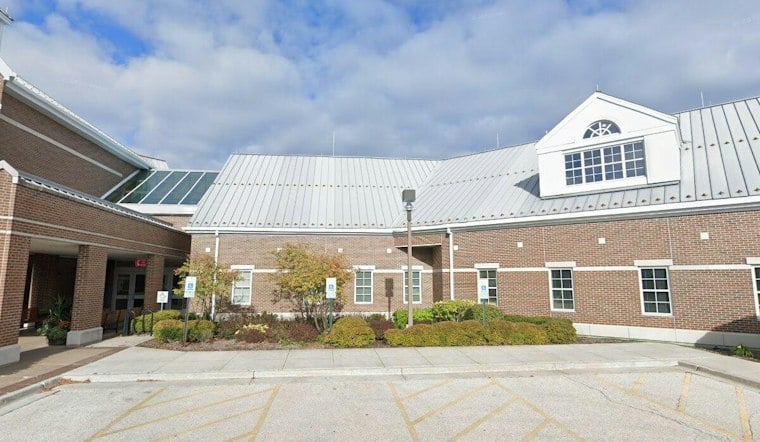
Carpentersville is leaving the 911 dispatch system it helped establish more than five decades ago. The village board voted unanimously, without discussion, to approve an agreement with Southeast Emergency Communication, a Crystal Lake-based dispatch service, to take over the village's emergency dispatch duties beginning in May 2027.
The vote, reported by the Chicago Tribune, is another step toward leaving QuadCom. Carpentersville's existing contract required 12 months' notice before departure, and officials gave that notice before approving the SEECOM agreement.
Village officials say the change will save about $2 million over five years. They also cited concerns about QuadCom's staffing levels and said SEECOM would provide services QuadCom does not currently offer, including drone technology and a social worker program.
A Founding Member Cuts Ties
Carpentersville was among QuadCom's founding members when the agency was created in the mid-1970s to provide unified dispatch at a time when local fire departments did not work together. QuadCom now serves 10 police and fire departments across northern Kane County, according to QuadCom's job listings, which describe its emergency communications operators as handling 911 calls and relaying information to police, fire and EMS units.
The agencies remaining with QuadCom include Barrington Hills police, East Dundee police and fire, South Barrington police, the Rutland-Dundee First Protection District, Sleepy Hollow police, and West Dundee police and fire, according to the Tribune. In Carpentersville, East Dundee and West Dundee, QuadCom coordinates police and fire responses through a dual-response model.
Warnings About Response Times
The Tribune reported that Kevin Rynders, who has more than 29 years of fire-service experience and worked in the Carpentersville Fire Department before John Skillman retired from the department in 2016, opposed the change. Rynders warned that it could reduce service quality, including response and arrival times, and said QuadCom's model had been adopted by other organizations in Illinois.
Mark Głowacki, a 13-year QuadCom dispatch operator who previously worked for SEECOM, also told the Tribune that the change could delay responses. He said Carpentersville would no longer help shape QuadCom's future as a member agency and stressed that dispatchers must gather, transfer and distribute information quickly for both residents and first responders.
The Radio Frequency Problem
One concern involves technical compatibility. Rynders told the Tribune that SEECOM and QuadCom use different radio frequencies, which could require mutual-aid calls between the systems to be coordinated by telephone rather than radio. Dispatchers cited that extra step as a potential complication during fast-moving emergencies.
What Other Dispatch Studies Show
Questions about call transfers, response delays and consolidation do not establish the outcome of Carpentersville's planned switch. Staffing is a broader industry issue, but available national data do not show whether QuadCom or SEECOM has the same conditions. A 2025 National Emergency Number Association and Carbyne survey found that 74% of responding emergency communications centers reported open positions and that burnout was the leading workforce challenge. The Cybersecurity and Infrastructure Security Agency identifies governance, standard operating procedures, technology, training and exercises, and usage as the five components of interoperable emergency communications; the available research does not document which procedures QuadCom and SEECOM will use for mutual aid before the transition.
Illinois emergency dispatch operations, including recordkeeping and direct-dispatch functions, fall under the state's Emergency Telephone System Act, according to the Illinois General Assembly. The village's transition to SEECOM is set to take effect in May 2027, giving the village and both dispatch agencies about eight months to prepare for the handoff.





