

























































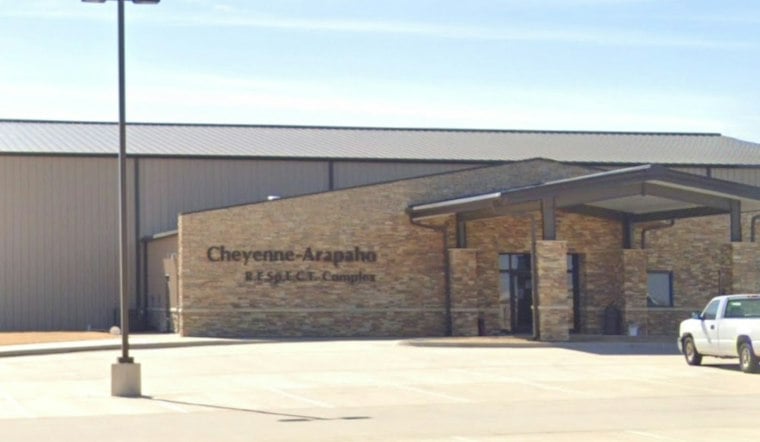
Cheyenne and Arapaho tribal members will decide this weekend whether to block hyperscale data centers from tribal land for the next three years, even as Governor Reggie Wassana has said the tribes could make $200 million a year if they worked out an agreement. The vote happens at the tribes' annual tribal council meeting in Concho, where every enrolled adult member gets a direct say rather than leaving the decision to elected legislators.
The proposed resolution, part of the agenda for the meeting set for Saturday at the R.E.S.P.E.C.T. Gym, would impose a moratorium running until October 2029, according to KOSU. The station reports the pause is meant to give the tribes time to study the impacts of AI data centers and write legislation to protect tribal members before any project moves forward. Any member over 18 with a valid driver's license, a Cheyenne and Arapaho CDIB card, or a passport can participate in the vote, and if the council approves the resolution, it would take immediate effect.
A Governor's Pitch Meets Grassroots Pushback
Wassana previously raised the idea of building a data center on Cheyenne and Arapaho land, and he has toured other tribes' facilities while weighing the idea, visiting both the Choctaw Nation's data center and the Colusa tribal town data center, the station's report notes. He has estimated that a data center on tribal land could generate $200 million a year, and said the tribes could make tens of millions of dollars a month if they reached an agreement.
But the resolution itself states its intent is to protect and prevent negative impacts on the health of tribal members, the general public, and the environment — a direct response to concerns that data centers require heavy water and electricity use. The vote will take place through the tribes' tribal council branch, a body separate from the legislative branch that empowers all members over 18 to set their own rules of order and procedure, giving citizens rather than elected officials the final call on the moratorium.
Choctaw Nation's Own Model Looks Different
The Choctaw Nation that Wassana visited runs its own dedicated primary data center in Durant, a standalone 14,500-square-foot facility with a hardened exterior engineered to withstand 250 mph winds and 48 hours of backup power, according to FSB Architects. That facility serves as tribally owned administrative infrastructure rather than a commercial hyperscale operation leased to outside tech companies, a distinction that separates it from the kind of large-scale commercial project under debate in Concho.
Oklahoma's Wider Wave of Tribal Bans
If the moratorium passes, the Cheyenne and Arapaho Tribes would join the Kickapoo Tribe of Oklahoma, the Seminole Nation, and the Cherokee Nation in banning hyperscale data centers on their lands, per KOSU's reporting. The Cherokee Nation's ban came in August after a task force found that 64% of 1,593 surveyed Cherokee citizens opposed such development over water, energy, and cultural preservation concerns, according to Tribal Business News.
The Seminole Nation moved first, with its General Council voting 24-0 in March for an indefinite moratorium after a tech startup secretly approached tribal leaders seeking a non-disclosure agreement and a letter of intent, as reported by Native News Online. The Kickapoo Tribe of Oklahoma's Business Committee followed in July, formally opposing data center development on tribal lands and warning that heavy cooling-system water consumption threatens supplies used for residential, agricultural, and cultural needs, according to Oklahoma Energy Today.
A Regulatory Gap Tribes Are Racing to Close
Part of what's driving the urgency is that Oklahoma has no state registry or statutory framework requiring data centers to register at all, according to the Cherokee Nation task force study cited by Tom's Hardware. Researchers were forced to track proposed projects indirectly, through state environmental air permits issued for backup diesel generators. Tribal leaders have also noted that developers frequently build on non-tribal fee land and structure projects specifically to avoid triggering federal environmental review under the National Environmental Policy Act, which would otherwise require formal consultation with tribal governments, per Tribal Business News' reporting.
That regulatory gap has fueled action beyond Cheyenne and Arapaho country. The Osage Nation introduced legislation Monday requiring formal legislative consultation before any tribal government entity can approve hyperscale data center plans, following proposals like Google's Project Spring, as Hoodline previously reported. Not every tribal nation has taken the same path — the Cachil DeHe Band of Wintun Indians in California announced a joint venture in March to build an AI and microgrid-powered data center campus capable of scaling up to 100 megawatts of off-grid capacity, according to Tribal Business News.
Resistance to data center resource demands has spilled into non-tribal Oklahoma politics as well. A recall vote against Yukon Mayor Brian Pillmore is scheduled for November 3 after the city council agreed to a contract to sell municipal land for a proposed data center, Newsweek reported. Whether the Cheyenne and Arapaho Tribes' citizen vote this weekend adds another name to that growing list now rests with the tribal members gathering in Concho.





