

























































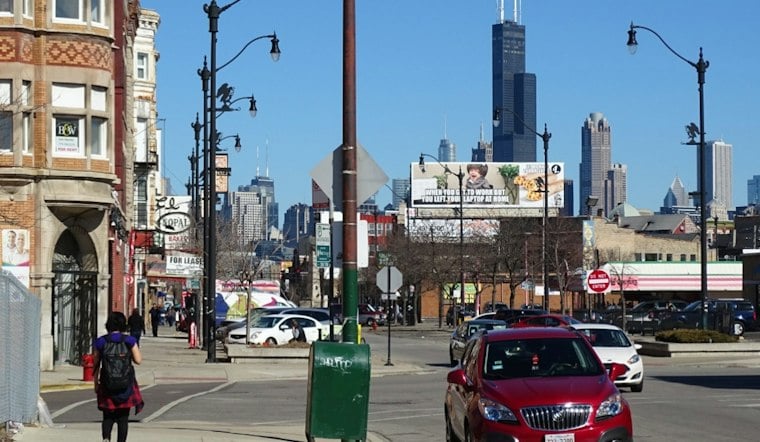
A Chicago man known online as J has built a following of more than 122,000 by approaching strangers in public and telling them they are loved. His videos are emotionally direct—and they also sit inside a larger debate about whether an act of kindness changes when it is recorded and posted for an audience.
A message designed to interrupt an ordinary day
According to FOX 32 Chicago, J has been approaching people on Chicago sidewalks and in stores for about four years. His son began posting the encounters in May and created a dedicated page on May 29; the account later grew quickly across Instagram and TikTok. J’s son, a college student in Houston, continues to help manage it.
J’s recurring message is: “If nobody else tells you today, I love you. You stay in the fight.” He says he does not approach everyone, but chooses people based on an instinct that they may need encouragement. Some days bring one encounter; others bring dozens, according to the station’s report.
One encounter described by FOX 32 took place at a Walmart in Decatur, Illinois. The man J approached said he had been diagnosed with cancer. J asked permission before posting the exchange and stopped recording when the man began crying. These details come from FOX 32’s interview-based account; it remains unclear how many people appearing in J’s videos have given permission before filming begins.
The consent question is part of the story
J keeps his own face out of the videos, telling FOX 32 that people might reject the interaction if they recognized him first. He uses camera-equipped glasses and says he seeks permission when an exchange becomes extended. In one instance, he removed a video after a woman said her daughter appeared in the frame.
That practice raises a question separate from whether the encounters are well-intentioned: what does a person agree to when they respond to a stranger, but do not know the exchange is being recorded or may be viewed by thousands of people?
The Illinois State Bar Association has described Illinois eavesdropping law as ambiguous. Its guidance distinguishes public conversations from conversations in which a person has a reasonable expectation of privacy. That general explanation does not resolve every question about a particular video, including the circumstances of the recording, what audio was captured, or whether a person later objected to publication.
Platform rules are another layer. The Meta Transparency Center says its privacy-violations policy identifies specific circumstances in which reported images or videos may violate its rules, including some depictions of minors and people in medical facilities. A video’s presence online therefore does not by itself establish that everyone shown agreed to its publication.
Kindness content can help—and still make people feel used
J’s videos belong to a broader genre often called kindness content: recordings of gifts, praise or assistance given to people in public. The Associated Press reported that critics object when strangers are recorded without their knowledge and then turned into social-media content for attention.
The New York Times has likewise described the practice of turning unsuspecting people into social-media subjects as an ongoing privacy and consent debate. Those reports do not show that J’s videos are unlawful or that the people he approaches had negative experiences; they establish the broader ethical question surrounding the format.
A separate case illustrates why the distinction matters. The Guardian reported that a woman in Melbourne objected after a kindness-video creator filmed and posted an interaction involving flowers without her consent. Her account concerned a different creator, a planned gift and a disputed portrayal, so it is a comparison—not evidence about J’s intentions or the reactions of people in his videos.
J’s personal history gives the message its urgency
FOX 32 reported that J began the practice after thinking about what the next person he met might be experiencing. He has said that he has nine living children after the death of his oldest son in 2016, and that he has experienced congestive heart failure, PTSD and anxiety. He is studying to become a pastor but does not currently lead a congregation.
Those experiences help explain why J emphasizes persistence and emotional support. They do not, however, answer the separate question of how the people he records understand the encounter after the camera is revealed—or after the clip reaches a large audience.
Support does not have to be public content
Chicago also has organized forms of support that do not depend on turning a private moment into a public video. NAMI Chicago offers free, confidential, peer-led support groups for adults living with mental-health conditions and for family members, friends and caregivers. Those groups are different from J’s spontaneous street conversations: participation is structured, voluntary and not presented as social-media content.
J has reportedly declined offers from Instagram and TikTok to monetize his videos. That choice may keep commercial sponsorship from becoming the immediate focus, but monetization is only one part of the consent issue. The central question remains whether people understand what is being recorded, where it may appear and whether they can meaningfully say no.
For now, the videos can be read in two ways at once: as brief encounters that some viewers find moving, and as examples of the unresolved boundary between helping a stranger and making that stranger part of a public story.





