

























































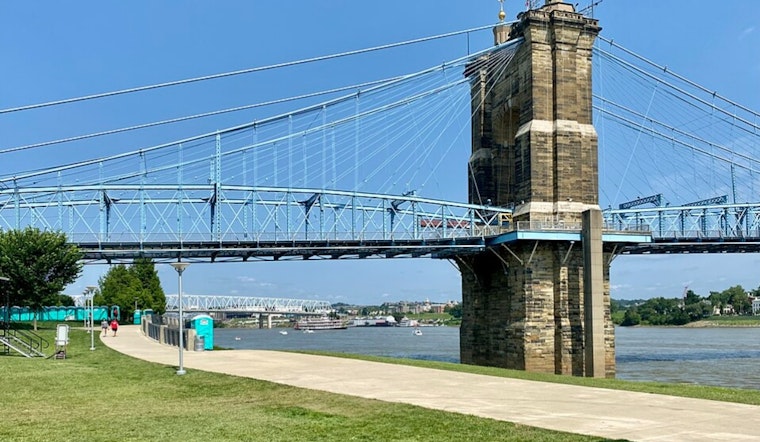
Runners lined up along Cincinnati's riverfront on Labor Day wearing race bibs printed not with their own names, but with the names of women still trapped in human trafficking or newly freed from it. The 17th annual Aruna Run took place Monday at Smale Riverfront Park, drawing participants who had signed up for 10K, 5K, and 1-Mile courses, with every registration fee and donation going toward support for women survivors of trafficking, according to race organizers.
The race, first reported by WKRC, raised money aimed at helping women survivors find freedom, jobs, and long-term support. That mission traces back to the Aruna Project itself, the Cincinnati-based nonprofit behind the run, which was founded in 2014 by local couple Ryan and April Berg after a 2010 trip to South Asia where they witnessed the commercial sexual exploitation of underage girls inside red-light brothels, according to The Beauty Boost. The organization's name, Aruna, means bright morning sun in Hindi, meant to symbolize freedom and new beginnings for the women it serves.
Bibs Carry Real Names, Real Stories
What sets the Cincinnati race apart from a typical charity 5K is the bib itself. Each participant runs while wearing the name of a specific enslaved woman or survivor whom the Aruna Project is actively working to free, employ, and support, and runners then receive updates throughout the year on that individual's journey toward freedom, per Everything Cincy. It turns a morning jog into a yearlong, personal connection between a Cincinnati runner and a woman on the other side of the world.
This year's event was presented by local sponsor Meyer Brothers & Sons and featured chip-timed 10K, 5K, and 1-Mile courses at Smale Riverfront Park, along with a pre-race expo held at MadTree Brewing in Oakley, according to Race Roster. The event listing reiterates that 100% of registration fees and donations go directly toward survivor programs.
Race Gear Made By The Survivors It Funds
The connection between runner and survivor doesn't stop at the bib. All giveaway items handed out to Aruna Run participants, including athletic headbands and bags, are handmade in Mumbai by trafficking survivors employed as paid artisans by the Aruna Project, according to a Facebook post from the organization. That reflects Aruna's dual identity as both a nonprofit and an athleisure brand, selling survivor-made goods to help fund holistic care for the women it employs.
That employment model has roots going back over a decade. The Aruna Project hired its first survivor artisan, a woman named Priya, in Mumbai in 2015, establishing a framework that pays above-market wages and provides sheltered employment for women formerly trapped in red-light brothels. The organization pairs that job creation with healthcare, counseling, and transitional housing for the women it employs.
Local Support Beyond The Finish Line
The Aruna Run's international focus exists alongside local anti-trafficking infrastructure already at work in Greater Cincinnati. End Slavery Cincinnati, the region's principal anti-trafficking coalition, was founded in 2007 and operates in partnership with The Salvation Army, managing a 24-hour regional crisis hotline at 513-800-1863 and providing emergency case management and street outreach for local victims, according to The Salvation Army in Eastern Territory. The coalition coordinates emergency response across medical, legal, and social service providers throughout Hamilton County.
Statewide, the scale of the problem remains significant. Ohio law enforcement agencies reported 165 potential female human trafficking victims and identified 138 suspected human traffickers in 2025, including 114 cases involving sex trafficking, per the Ohio Attorney General's office, which notes that statutory reporting requirements likely underrepresent the true prevalence of trafficking. A 2025 statewide enforcement effort called Operation Next Door, conducted by more than 100 Ohio law enforcement agencies and task forces, resulted in 32 felony arrests, 103 arrests of sex buyers, and service offers extended to 67 survivors.
The National Human Trafficking Hotline has identified 4,305 cases of human trafficking and 7,848 total victims in Ohio since its establishment, recording 686 incoming signals from the state in 2025 alone, according to the hotline's published statistics. Those signals include phone calls, text messages, online forms, and web chats from victims and community members seeking help.
Ohio law also gives survivors legal recourse once they're identified. Under Ohio Revised Code Section 2307.51, trafficking survivors have the right to sue their traffickers in civil court for lost wages and medical expenses regardless of whether a criminal conviction occurs, and the state's Safe Harbor legislation allows survivors to expunge certain criminal records incurred while they were being trafficked, aiming to remove barriers to employment and housing as they rebuild their lives.




