

























































A black bear tore through a window screen and climbed into a 17-year-old's bedroom in a Durango condo on Escalante Drive Sunday, forcing the teen to hide under her covers as the animal swiped at her stomach. Two days earlier, a woman camping at Park Creek Campground in the Rio Grande National Forest was bitten on the arm through the wall of her tent. Together, the two attacks pushed Colorado's confirmed bear attack total for 2026 to 10, the highest number on record in state history.
Colorado Parks and Wildlife confirmed the record total after investigating both incidents, according to CBS Colorado. In the Durango case, the bear ripped off a window screen before entering the teen's bedroom, and she was left with three scratches on her stomach that she treated herself. Wildlife officer Luke Clancy said she was fortunate to have multiple blankets covering her when the bear swiped at her, since the layers helped shield her from a more serious injury. The bear initially fled through the same window but came back before finally leaving for good after the teen stood up and screamed, and CPW says it is still searching for the animal, which broke into another home the following day.
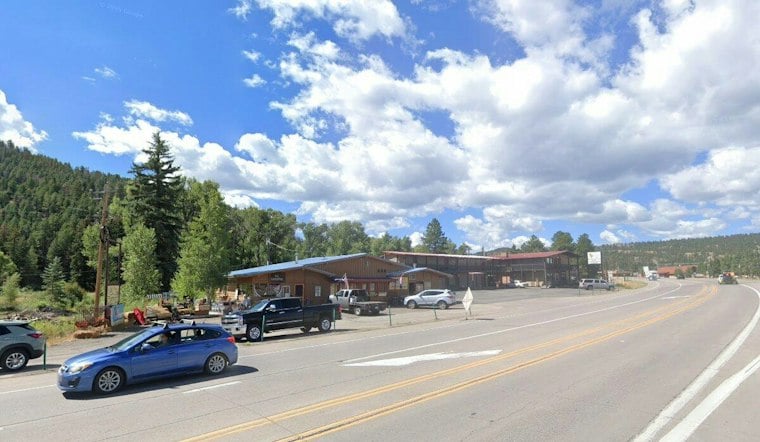
The bite reported near South Fork unfolded differently. The camper told investigators she heard something hit her tent before she felt the bite on her arm, and emergency responders treated her for a puncture wound before she was taken to Rio Grande Hospital for follow-up care. Park Creek Campground, which had been scheduled to stay open until Monday, closed early because of the attack, CBS Colorado reported.
Forensic Details From the Campground Bite
According to The Pagosa Sun, a CPW District Wildlife Manager met the injured camper at Rio Grande Hospital to swab her forearm wound for DNA and collect field evidence, including dark bear hairs and mud-smeared claw marks on the tent. The wall opposite the bite mark bore three distinct claw scratches alongside a mud paw impression, physical evidence that helped officers reconstruct what happened in the dark. CPW officers ultimately determined the bite was a surprise encounter rather than an act of aggression, and CBS Colorado reported that officers believed there was no ongoing threat to other campers.
That assessment shaped how CPW handled the aftermath. The agency concluded its investigation at Park Creek Campground after determining the bite was a surprise encounter and that there was no continuing danger to the public. The Durango condo case drew the opposite response: because that bear entered an occupied home, officers sought to catch and remove it.
A Record Year Driven by Drought
These two attacks landed in the middle of what is already Colorado's most severe bear conflict season on record. By August 31, CPW had logged 8,672 bear sightings and conflict reports statewide, more than 3.6 times the five-year average, and the agency's report shows officers euthanized 294 bears through that date compared with just 83 during the same stretch in 2025. Bear relocations also tripled, climbing from 33 in 2025 to 98 this year over the same period, as reported by The Colorado Sun.// Officials attribute the crisis to drought-depleted natural food sources. Hyperphagia — the late-summer and fall period when black bears can spend up to 20 hours a day searching for food and consume roughly 20,000 calories daily to build fat reserves for winter — is also driving seasonal foraging, according to Colorado Parks and Wildlife.
CBS Colorado reported that CPW has directly linked the lack of bears' usual food sources to the surge in neighborhood incursions this season. The agency is urging residents to lock garages, doors and windows, and to secure outdoor attractants such as bird feeders and any accessible food. Colorado's black bear population is estimated at between 17,000 and 20,000 animals, according to Bear Smart Durango, and the species has been the state's only surviving bear since grizzly bears were extirpated from Colorado in 1979.
Durango's Bears Were Already a Problem
La Plata County, where Durango sits, had been dealing with bear break-ins well before the September attacks, according to Colorado Outdoors Online. The report also described local wildlife responses but did not provide a county-level euthanasia total or mention orphaned cubs being sent to rehabilitation facilities.
Bears in the area were accessing commercial dumpsters. Commercial dumpsters were among the sources of human food available to bears.
Colorado lawmakers had already moved to address the root cause. House Bill 26-1342, enacted in May and in effect since August, lowered the legal standard for penalizing people who improperly expose trash or food from “intentional” to “knowingly” luring bears, eliminated the requirement for a first-offense warning, and raised fines for repeat offenders to $5,000, according to the Colorado General Assembly. Lawmakers cited findings that more than half of bear conflicts stem from unsecured garbage.
Not the Season's First Close Call
The Durango and South Fork attacks follow a similar residential encounter last month, when a man was swiped on the arm outside an apartment complex laundry room in EagleVail, prompting wildlife officers to set traps at the complex. That victim was treated at a medical facility after tripping while trying to escape the bear. With the season's tenth confirmed attack now on record, CPW continues to urge residents across the state to eliminate attractants as hyperphagia drives more bears into populated areas ahead of winter.





