

























































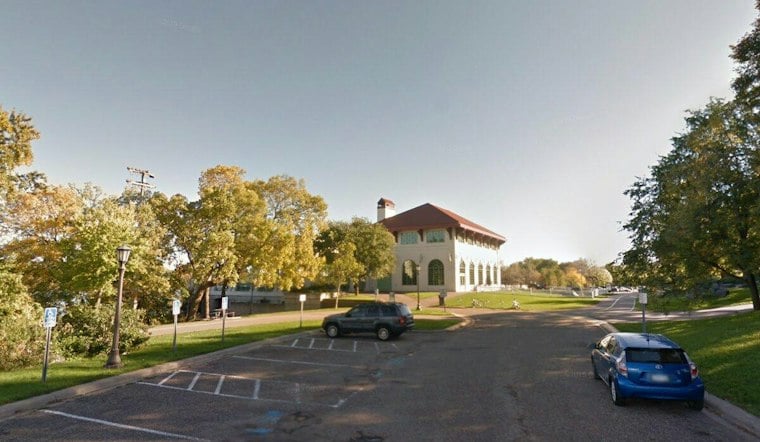
Eight new interpretive signs now line the path around Como Lake in St. Paul, greeting walkers with lessons on watershed health alongside stories told in Dakhóta. Como Regional Park's new informational kiosk and signage cover the lake's history, ecosystem and wildlife, but two signs stand apart: they highlight the lake's cultural significance to Indigenous people, sharing Dakota stories and illustrations along the shoreline.
The project was a partnership between the Capitol Region Watershed District and the City of Saint Paul Parks and Recreation, according to the Capitol Region Watershed District, which worked with the city to develop the signs. The district provides information about the project. As MPR News reports, all eight signs are located along the path circling the lake at Como Regional Park, and the signage is available in English, Spanish, Hmong, Somali, Karen and Dakota.
A Writer With Dakota and Ojibwe Roots
Tara Perron, who has Dakota and Ojibwe heritage, helped gather the historical stories and local Indigenous community input that shaped the signs, per the same MPR News report. The community members she consulted ranged from young adults to elders. Perron said Indigenous people came to Como Lake to be together and enjoy each other, according to the outlet, and that Dakota-language storytelling on the signs shows the language is living and must be continued.
The two Dakhóta-story signs feature Dakota stories and illustrations, according to the watershed district. Perron wrote the stories under the name Tanágidaŋ Tó Wíŋ, or Blue Hummingbird Woman, and Thomasina TopBear illustrated them, the district notes. Sisseton Wahpeton Oyate citizen Šišókadúta provided Dakhóta-language translations, MPR News reports.
The Woman Behind the Ferry Story
One sign centers on Háza Íŋyaŋka Wiŋ, described by MPR News as the first Dakota woman to operate a ferry using a birchbark canoe along the Mississippi River. She taught Dakota women how to build and maneuver canoes and hid her canoe from settlers and men from other tribes, according to the outlet. She used nearby lakes, including Como Lake, to gather and harvest natural resources, and MPR News describes her as an advocate for water and plants.
According to Shakopee Heritage, Háza Íŋyaŋka Wiŋ was born in 1803 in Kapoza, now South St. Paul, and was also known as Runs Bringing Huckleberries, and in old age as Old Betsey. MPR News separately reports she was also known as Betsey St. Clair. Ho-Chunk, Ojibwe and Dakota people visited Como Lake for feasts, fishing, swimming and recreation, according to the outlet's reporting.
Language Tied to Place
The signage arrives as part of a broader effort to keep Dakota language visible across Minnesota. Šišókadúta told MPR News that making Dakota language visible supports efforts to keep it alive, and said more signs using Dakota language and acknowledging Dakota presence are important. Minnesota itself derives its name from the Dakota language, MPR News notes, and waterways have long been central to Dakota life. As the Minnesota Historical Society explains, waterways have been important to the Dakota as a means of travel, sustenance, fishing and swimming, and cloudy waters identify the Minnesota River, the namesake of the state itself.
The stakes behind that visibility are real. The Star Tribune has reported that only one elder in Minnesota remains a first-language Dakota speaker, after generations of Native Americans were institutionally raised in boarding schools that banned students from speaking their native language. Efforts like a Dakota language camp at Pond Dakota Mission Park, which immerses children and families in the language and culture according to MPR News, are part of a wider revitalization movement.
Part of a Regional Pattern
Como Lake's signs join a handful of similar projects around the Twin Cities. At Owámniyomni, visitors can follow interpretive signs describing the area's historical and cultural significance in both Dakota and English, according to a BBC report describing an Indigenous cultural renaissance underway in the Twin Cities. Separately, the Shakopee Mdewakanton Sioux Community announced an $80,000 grant to the Three Rivers Park District to develop an interpretive trail at Lowry Nature Center highlighting Dakota perspectives on natural resources.
For now, the Como Lake walking tour offers St. Paul residents a rare chance to encounter Dakota history and language woven directly into an everyday city park loop, connecting a place many pass through daily with Dakota history and language.





