

























































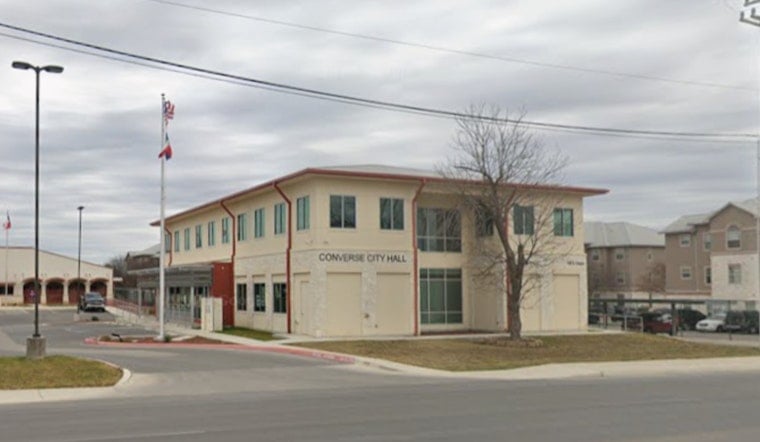
Converse residents will vote November 3 on whether to pull their city out of VIA Metropolitan Transit altogether, a move city leaders say could eventually free up millions of dollars a year for police, fire, streets and parks. But that payday is not guaranteed anytime soon: state law requires the city's transit sales tax to keep flowing to VIA until Converse settles a debt estimated at $12.9 million to $14 million, a process that could take four to seven years.
The Converse City Council voted unanimously on August 12 to order the special election, according to KSAT. Converse, a suburb of roughly 32,000 people bordering Joint Base San Antonio-Randolph in eastern Bexar County, has been part of VIA since the transit system's inception, and Mayor Al Suarez said the decision followed years of evaluating revenue needs, ridership and costs. Suarez also said Converse is the only city left in the northeast Metrocom area that still has VIA.
What the City Says It Would Gain
City officials have projected that Converse's half-cent transit sales tax would generate $2.4 million in 2027 if redirected to municipal coffers, climbing to $3 million annually by 2030. Those figures track with the city's own election projections, which the same KSAT report cites, showing the allocation rising from an initial range of $2.2 million to $2.4 million up through 2030. Converse officials plan to redirect that money toward police, fire, streets and parks if voters approve ending VIA service, and City Manager Stan Farmer has said Converse needs more roads, additional fire and police services, and park improvements.
Farmer said the city does not currently need to reduce police or fire funding to support a replacement transit service, and noted Converse has fund balances and other fund-type allocations available to cover it in the meantime. Any future use of the half-cent sales tax, however, still requires voter approval down the line, since the November measure only addresses whether to leave VIA.
The Debt That Comes First
Under Texas Transportation Code Section 451.613, a city that votes to withdraw from a transit authority does not get to keep its sales tax right away. Instead, the tax keeps flowing to the authority until total revenues match the city's certified net financial obligation, a formula set under state law that requires a departing city to pay based on its share of the authority's total obligations and assets.
VIA Vice President of Government Relations and Community Engagement Thomas Marks estimated Converse's obligation at $13 million to $14 million and said the payoff could take as many as seven years. Marks said the half-cent sales tax generates about $2.1 million annually for VIA. Farmer offered a somewhat shorter timeline, estimating the debt could be retired in four or five years, while the city's broader documented estimate places Converse's net obligation as of April 2025 at roughly $12.9 million.
Buses Would Still Roll Through, Just Not Stop
VIA has told Converse that even if service ends, its buses would continue passing through the city to reach other participating jurisdictions, a right protected under Texas Transportation Code Section 451.609(b). At an August 25 presentation in Converse, VIA said service would continue through the city but that buses would no longer stop at its 37 local bus stops if voters end service.
State law does carve out one major exception: Texas Transportation Code Section 451.610 requires VIA to keep providing paratransit service for people with disabilities in a withdrawn city, at fares no higher than elsewhere in its network. VIAtrans delivered more than 14,000 disability trips in Converse during fiscal year 2025, but those rides would not be allowed to start or end within Converse if voters end VIA service there, meaning riders would need to connect outside city limits.
Ridership and What Replaces It
VIA has reported that roughly 1,500 weekly rides enter Converse and 1,400 originate there, a modest slice of a system that logged more than 30.6 million total passenger trips in 2025 and covers a 1,210-square-mile service area, according to Wikipedia. Converse could provide its own in-city transit service, and the city says it plans to offer a replacement that would be lower-cost and free to riders. Farmer has said the city expects to have that replacement service in place by the time of the election, though officials acknowledge the plan is not yet finalized.
Not every Metrocom-area effort to leave VIA has succeeded. Voters in both Sandy Oaks and Castle Hills have rejected similar ballot measures to withdraw from the transit authority, and VIA has noted that some cities have left the system over the years. Longtime rider Darrell Brown, who uses VIA frequently, has expressed concern about replacing the service with something new and unproven.
The debate over Converse's exit lands amid broader scrutiny of VIA's service quality across the region. Hoodline previously reported that more than 60 percent of VIA's roughly 6,100 bus stops lack physical shelters, prompting the agency to propose 150 new shelters in its fiscal year 2027 budget alongside a separate San Antonio pilot program for shade structures. For Converse voters, the November 3 decision will hinge less on shelters than on whether a city-run alternative can materialize before, or even long before, the half-cent sales tax dollars are freed up for local use.




