

























































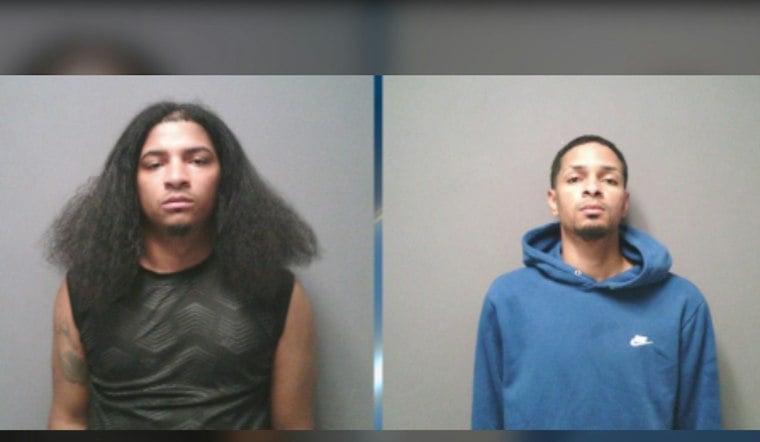
A Cranston patrol officer pulled over a white 2018 Ford Transit as it left PJ's Pub on Pontiac Avenue around 2:20 a.m., ending what police say was a quick overnight cooking oil theft. The stop came just minutes after an automated license plate reader flagged the van, and officers say they found evidence consistent with an oil heist inside: a strong smell, oil residue on the vehicle and its occupants, two large containers, and a hose-and-pump setup.
The van, registered in Pennsylvania with the plate VDF0027, had approached Route 37 before officers checked area restaurants and businesses and located it back at PJ's Pub, according to WJAR. Cranston police say the Flock system had alerted them around 1:57 a.m. to a vehicle associated with previous cooking-oil thefts, and security video reportedly showed the van backing up to the pub's used-oil container. Police say around 100 gallons of used cooking oil were taken, valued at roughly $200.
Two men were arrested in connection with the theft: 26-year-old Anyeson Veras Martinez and 29-year-old Steven Velez Toribio, both of New York. The pair face charges of larceny under $1,500 and conspiracy, the outlet reports. Cranston Police Chief Michael J. Winquist said the Flock license plate reader technology served as an investigative tool that provided a timely lead in the case, per the same account.
How the Cameras Closed In So Fast
The rapid turnaround reflects the role of Cranston's camera network.
Cranston police urged restaurant owners and managers to report suspicious activity involving used-oil containers, and asked anyone who notices unauthorized access to those containers to notify police, per WJAR's report. PJ's Pub had not experienced previous cooking-oil thefts, and the outlet notes that companies typically collect the pub's used oil about once a month, often during late-night or early-morning hours when legitimate haulers also operate.
Why a Vat of Fryer Grease Is Worth Stealing
Paul Voigt praised Cranston police for finding the suspects quickly, while Todd Patalano told the outlet that used cooking-oil theft has been an ongoing problem, noting that thieves can pump out oil and leave within three or four minutes. Patalano added that using stolen oil in waste-oil burners can save thousands of dollars, and that repeated thefts can cost a restaurant $3,000 or $4,000 by the end of a month.
High oil prices have made stolen used cooking oil particularly valuable, WJAR reports, with thieves able to sell it on the black market or use it to heat facilities. Legitimate rendering arrangements may include rebates or credits for stored yellow grease, according to DAR PRO Solutions, meaning stolen or uncollected oil directly cuts into what small restaurant owners expect to receive. Industry security guidance from the same source discusses monitoring and theft prevention.
A Bigger Business Than It Looks
The Cranston case fits into a much larger national picture. The North American Renderers Association estimates that annual used cooking oil theft is around $500 million and potentially as much as $1 billion, driven by surging demand for biodiesel and renewable diesel feedstocks. A federal indictment in one case involved racketeering, money laundering, and transporting stolen goods, according to Ambrook Research.
Siphoning operations can also create environmental hazards, spills and cleanup costs. Hoodline has previously covered similar theft crews operating in metro Atlanta, and this report covers the Cranston arrests.
What the Charges Mean Next
The case includes a larceny charge involving property valued under $1,500. Rhode Island General Law § 11-1-6 defines conspiracy as an agreement between two or more people to commit an unlawful act, and the same source notes it stands as a complete offense even if the underlying crime was never carried out.
The arrests also land amid an active statewide debate over the surveillance tools that helped make them. Governor Dan McKee ordered a 60-day statewide pause in August 2026 on installing and activating new Rhode Island State Police Flock cameras while officials review privacy policies, data-sharing rules, and municipal oversight, according to the Rhode Island ACLU. The pause reflects ongoing privacy concerns.
Leanna Faulk contributed to WJAR's original report on the arrests.



