

























































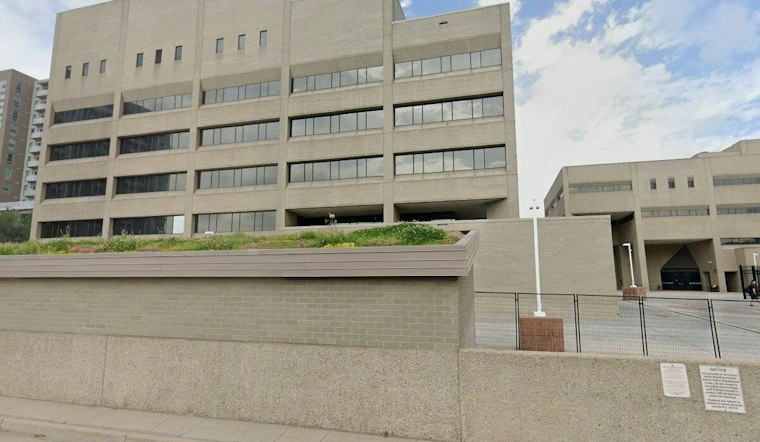
A Denver Police Department motorcycle officer responding to a call for service with lights and sirens active was seriously injured Thursday night after colliding with another vehicle at West 13th Avenue and North Bannock Street. The crash caused serious but not life-threatening injuries and snarled traffic in the area as investigators moved in.
According to the Denver Police Dept.
, the collision involved a motorist and the department motorcycle officer, and the crash investigation remains ongoing. The department said it is not monitored 24/7 and directed anyone with information to call 911 for emergencies or the police non-emergency line at 720-913-2000. The crash site sits less than two blocks from Denver police headquarters at 1331 Cherokee Street, according to
CBS Colorado
. The headquarters complex, per the
Denver Police Foundation
, houses the department's primary administrative and operational command in the Civic Center area.
What the Law Says About Emergency Response Driving
Colorado law gives emergency vehicle operators responding with lights and sirens some latitude, but not a blank check. Under Colorado Revised Statutes § 42-4-108, authorized emergency drivers may proceed past red lights and exceed posted speed limits while responding to a call, but the statute explicitly states those exemptions do not shield emergency drivers from the consequences of reckless driving, according to Justia's compilation of the state code.
Civilian drivers, meanwhile, carry their own legal obligations when an emergency vehicle approaches with active lights or sirens. Colorado Revised Statutes § 42-4-705 requires motorists to immediately yield the right-of-way by pulling parallel to the right curb, clearing any intersection, and remaining stopped until the emergency vehicle has passed, per the same compiled code. Failure to yield can result in traffic infractions and mandatory restitution obligations.
Why Denver Police Only Flag Certain Crashes Publicly
The department's decision to publicize this crash reflects an internal policy: Denver Police issues public Crash Alerts on social media only when a collision involves serious bodily injury or requires a full road closure, as Hoodline reported in its coverage of an August motorcycle crash near 6th and Broadway. Routine property-damage collisions typically don't generate a public notice. State law separately requires investigating officers to file a formal traffic accident report within five days for any collision resulting in personal injury or property damage exceeding $1,000, a timeline Hoodline has previously outlined in its reporting on crash investigations.
Open questions remain about the specific nature of the call the officer was responding to, whether traffic signals at 13th and Bannock favored either vehicle, and what witnesses observed regarding the visibility of the motorcycle's emergency lights. Those details are expected to emerge once Denver's Traffic Investigations Unit completes its formal report.
A Rough Year for Denver Traffic Safety
The crash lands amid a grim stretch for road safety citywide. Denver recorded 93 traffic fatalities in 2025, the highest annual death toll since the city began Vision Zero safety tracking in 2013. Under the city's Vision Zero framework, a High Injury Network comprising roughly 5% of Denver's street mileage accounts for about half of all local traffic fatalities and serious injuries.
A crash was reported Wednesday at 12th Avenue and Delaware Street. In April 2025, Denver announced plans for a dedicated 10-officer downtown patrol unit, according to Police1.
Denver police use motorcycle officers to respond to calls for service.





