

























































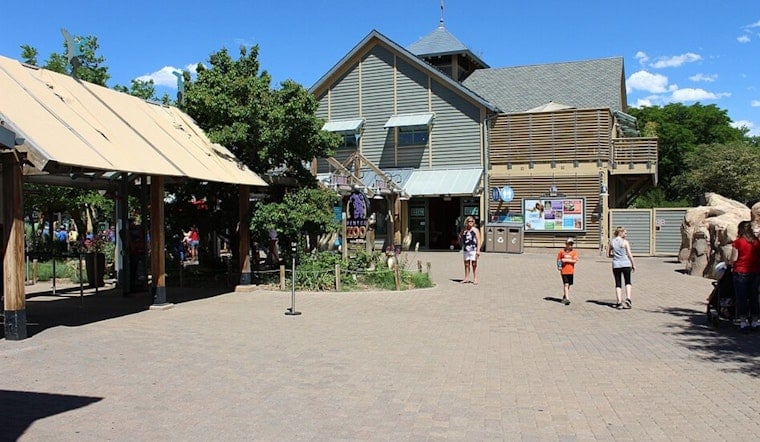
Denver Zoo is getting its first southern white rhinos ever, with two of the massive grazers set to arrive this fall after 130 years without a single one calling the City Park facility home. The zoo and its parent organization announced the news on August 31, filling a pachyderm-shaped gap left behind just months earlier when a longtime black rhino resident died.
According to Denver7, the two southern white rhinos will come from a pair of facilities accredited by the Association of Zoos and Aquariums, though the zoo has not yet named the animals or the zoos they're leaving behind. Denver Zoo says it plans to release more information about the rhinos' arrival as the fall date approaches, and it also intends to explain how members of the public can help finish the animals' new home, per the same report. The exact opening date and the specifics of any community fundraising campaign remain open questions, according to KOSI 101.1, which reported that zoo officials indicated a fall 2026 arrival window while staff finish preparing the enclosure.
Filling the Void Left by Rudy
The rhino news lands just months after Denver Zoo said goodbye to Rudy, its 32-year-old eastern black rhino, who was humanely euthanized on May 26 following a decline in health caused by arthritis and Iron Overload Disorder, according to 9News. Rudy had lived at the zoo since 2016 after retiring from a breeding program at the Oklahoma City Zoo, and his death left a notable vacancy in the zoo's rhino lineup.
Denver Zoo isn't new to housing rhinos generally. The facility already cares for Asian greater one-horned rhinos named Tensing and Bandhu inside its 10-acre Toyota Elephant Passage habitat, which opened in 2012 and features interconnected rotational trails, mud wallows, and bathing pools, according to the Denver Zoo Conservation Alliance. But southern white rhinos, the species now headed to Colorado, have never resided at the zoo in its 130-year history.
A 130-Year Milestone for a Historic Institution
The timing lines up with the zoo's broader 130th anniversary season, which began with the institution's founding in 1896, when Mayor Thomas S. McMurry was gifted an orphaned American black bear cub named Billy Bryan, growing a City Park menagerie into today's 80-acre facility housing over 3,000 animals. The zoo also built Bear Mountain in 1918, considered North America's first naturalistic barless enclosure, per Audiala. Hoodline previously covered the zoo's Flock Party celebrating that same 130th anniversary season in late August.
In 2024, the organization rebranded as Denver Zoo Conservation Alliance to reflect its expanded global wildlife partnerships, which include field projects supporting wild Sumatran rhinos in Indonesia and co-funding for 39 Wildlife Protection Teams in Indonesia's Leuser Ecosystem, according to the alliance. That international conservation focus is central to how the new white rhinos will be framed once they arrive, not simply as an attraction but as participants in a species recovery effort.
Why the Species Matters
Southern white rhinos were once down to fewer than 100 wild individuals in the late 19th century before rebounding to roughly 17,000 to 20,000 today, a population now classified as Near Threatened by the IUCN Red List, with South Africa home to over 90% of that wild population. Adult southern white rhinos rank as the second-largest land mammal after elephants, with full-grown adults weighing between 3,000 and 5,000 pounds and standing up to 6 feet tall at the shoulder, according to the North Carolina Zoo. Newborn calves, by contrast, weigh just 100 to 150 pounds and gain roughly 100 pounds per month during their first year.
The rhino's name is itself a bit of a linguistic accident: the moniker stems from a mistranslation of the Dutch or Afrikaans word wyd, meaning wide, which describes the animal's broad upper lip adapted for grazing grass, according to Zoo Atlanta. Black rhinos, by comparison, have a hooked upper lip suited for browsing leaves and trees rather than grazing.
The Regulated Path to Denver
Moving a rhino between zoos isn't as simple as loading it onto a truck. Inter-zoo transfers like the one bringing these two rhinos to Denver are governed by the Association of Zoos and Aquariums' Species Survival Plan, which tracks genetics, age, and health across accredited institutions to maintain sustainable populations in human care, according to Brevard Zoo. Those plans act as a genetic safety net meant to guard against extinction in the wild.
That careful science extends to nutrition as well. Research led by the San Diego Zoo Wildlife Alliance identified dietary phytoestrogens as a contributor to diminished captive breeding success among female white rhinos, prompting AZA-wide nutritional adjustments across member institutions. San Diego Zoo Safari Park alone has seen more than 100 white rhino calves born under its care, underscoring how much veterinary and dietary planning goes into keeping the species thriving in zoos.
For now, Denver Zoo has not disclosed the rhinos' names, ages, or exact arrival date, and those details remain unresolved. What is confirmed is the timeline: the two southern white rhinos are expected sometime this fall, and the zoo says it will share more about both the animals and how the public can pitch in on finishing their new habitat as that date gets closer.





