

























































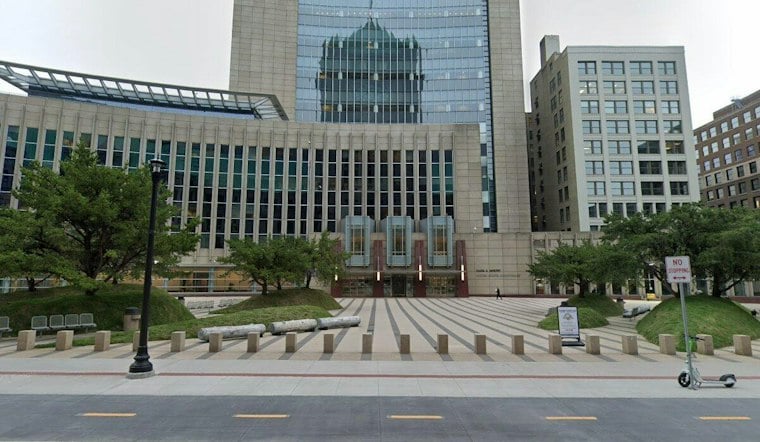
The Justice Department has filed a complaint of judicial misconduct against two named federal judges in Minnesota and a group of anonymous district judges, accusing them of making improper and unethical comments to The New York Times about immigration-enforcement cases flooding the state's federal courts. The complaint names Hon. Patrick J. Schiltz and Hon. John R. Tunheim, both judges at the United States District Court for the District of Minnesota, along with unnamed colleagues on the bench.
According to a statement from the Department of Justice, the filing reads: “Today, The Department of Justice filed a complaint of judicial misconduct against Hon. Patrick J. Schiltz, Hon. John R. Tunheim, and Anonymous District Judges at the United States District Court for the District of Minnesota.” The complaint is now before the U.S. Court of Appeals for the Eighth Circuit, though the allegations remain claims rather than adjudicated findings, and the evidence reviewed does not establish whether that court has accepted, rejected or otherwise acted on it.
What the Judges Told The New York Times
The dispute traces back to a New York Times report published in mid-September, in which a reporter spoke with Judge Schiltz and six other judges who serve on Minnesota's Federal District Court. As reported by the paper, six federal judges described the Justice Department's failure to comply with court orders during an immigration-enforcement surge as, in Schiltz's words, having “created a grave threat to the rule of law.”
Tunheim, for his part, told the paper that the immigrants being arrested weren't “dangerous criminals,” according to Bloomberg Law's coverage of the DOJ complaint, which identifies Schiltz and Tunheim as senior judges on the Minnesota federal bench. CNBC reports that the complaint specifically singles out the two judges by name because they were quoted directly in the Times article.
Operation Metro Surge and a Backlog of Habeas Petitions
The judges' public remarks centered on Operation Metro Surge, an immigration-enforcement campaign that Just the News describes as having generated an unusually large number of cases in Minnesota's federal courts. Per that outlet's reporting, more than 1,000 habeas corpus petitions were filed as detainees sought judicial review of their immigration cases, overwhelming the docket.
The Times report also noted that Schiltz, writing in a Jan. 28 order, found that Immigration and Customs Enforcement had violated nearly 100 orders issued by Minnesota's Federal District Court during the month of January. That finding sits at the heart of why the judges spoke to reporters in the first place, according to the same account.
Attorney General Says Nearly All Minnesota Judges Targeted
Attorney General Todd Blanche characterized the scope of the action broadly. As CNN reported, “The Justice Department is filing a judicial misconduct complaint against nearly all the federal judges in Minnesota,” Blanche said. The exact number of judges named or targeted is not clearly established across the available reporting — sources refer variously to nearly all Minnesota federal judges, the six judges discussed in the Times article, and seven active-status judges from whom the department reportedly sought recusal from Department of Homeland Security-related cases.
CNN also noted that this is not the department's first attempt to challenge a state's entire federal bench. The outlet reported on an unsuccessful DOJ lawsuit filed against the entire federal bench in Maryland, tied to a June 25, 2025 order requiring the court clerk to automatically enter an injunction against removing or challenging the legal status of any detained alien in Maryland who filed a habeas petition, according to a Justice Department press release on that earlier action.
A Conservative Legal Group Filed First
The DOJ complaint follows an earlier filing by the Article III Project, a conservative legal advocacy organization that Just the News reports had already lodged a “complaint of judicial misconduct” against Schiltz and Tunheim over their comments and the circumstances surrounding Operation Metro Surge.
The federal judiciary's own guidance, published by the U.S. Courts administrative office, notes that the Code of Conduct for United States Judges includes the ethical canons that apply to federal judges and provides guidance on their performance of official duties and engagement in outside activities. Separate judiciary materials outline the process for filing a judicial conduct or disability complaint against a federal judge, though the evidence does not include any response yet from Schiltz, Tunheim, their colleagues, the Eighth Circuit, or the Times itself.





