

























































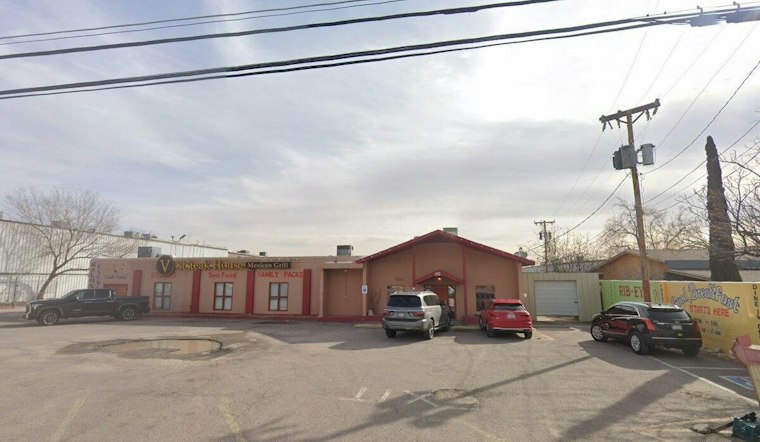
A Canutillo steakhouse received a failing health score after inspectors documented multiple violations during a late-August visit, including chicken, queso, and baked potatoes sitting out at 92 degrees. DVC Mexican Grill Steakhouse, located at 420 Talbot Ave. in Canutillo, received a score of 68 on August 24, landing just below the passing threshold of 70 but above the 60-point line that triggers immediate closure.
The inspection, first reported by El Paso Times, found refrigeration and food-storage problems on the day inspectors visited. Under the Texas Food Establishment Rules administered by the Texas Department of State Health Services, refrigerated foods must stay at 41 degrees or below to prevent rapid bacterial growth. Horchata was also mentioned in the inspection account.
Raw Meat, Uncovered Bins, and Missing Thermometers
Inspectors also found improper raw-meat storage, a food-safety concern. Under Section 3-302.11 of the FDA Food Code, ready-to-eat items are supposed to be separated from raw animal proteins to keep drips from raw meat away from foods that will not be cooked before serving, according to guidance published by Kitchen Management Authority citing the FDA Food Code.
Food containers turned up uncovered in storage, per the same account. The inspection account also describes other food-handling violations. The available account does not specify date-marking practices for the foods discussed.
Grease, Residue, and Structural Repairs Needed
The list of problems extended well beyond refrigeration. Inspectors also cited sanitation and food-handling issues, according to the report.
Physical conditions in the kitchen also drew additional citations, according to the inspection report. The report listed further facility and food-safety violations.
Hold Orders and What Happens Next
The inspection report documented food-safety violations. Texas and local food-safety rules prohibit unsafe food and establish requirements for food establishments, as reflected in municipal ordinance documentation from the City of San Marcos.
The inspection was conducted as part of the local public-health food-inspection process. Restaurants that fail inspections are typically given the chance to correct violations before a follow-up visit, and commercial refrigeration units commonly spike in temperature due to dirty condenser coils, failed defrost cycles, or doors propped open during cleaning — mechanical issues that, once repaired, can restore a unit to safe operating range.
Health officials note that a single inspection may not reflect an establishment's overall long-term conditions. Hoodline's coverage of El Rincon De Villa showed a similar pattern earlier this year, when that eatery failed with a 69 in April before climbing to an 87 on reinspection, illustrating that low scores in the region can be followed by successful corrections.





