

























































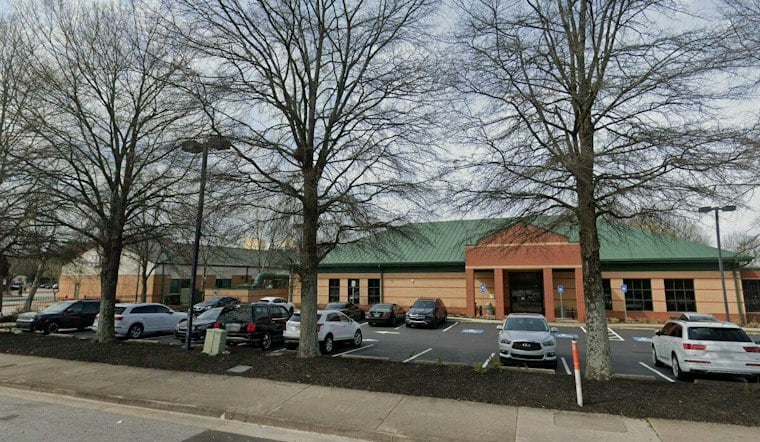
East Point City Hall will once again open its grounds to hoop dancers, fiddle players, and the smell of fry bread frying over open flame when the Standing Peachtree Native American Festival and Indigenous Peoples Celebration returns October 10 and 11. Now in its fifth year, the free two-day event welcomes the public from 9 a.m. to 5 p.m. both days at 2757 East Point Street, with a grand entry ceremony set for noon.
The festival was designed to honor local Muscogee heritage on the land where East Point's city government now sits. The gathering, now marking its fifth annual occurrence per PowWows.com, was designed to honor local Muscogee heritage on the land where East Point's city government now sits.
This year's program, as detailed by the same PowWows.com listing, features master of ceremonies Lowery Begay, arena director Donnie Ross, and host drum Silver Ridge Singers, with Begay also performing as a hoop dancer alongside Native fiddler Arvel Bird and Dawn Mahealani Douglas's Polynesian Dancers. According to Secret Atlanta, attendees can also expect intertribal dances, stomp dances, living Muscogee history demonstrations, Native American arts and crafts, and food vendors serving fry breads and roasted corn.
Why the Name Standing Peachtree Matters
The festival's name is not decorative — it points directly to the region's Indigenous past. It comes from *Pakanahuili*, the Muscogee term for “Standing Peach Tree,” a major settlement and trading hub that once sat at the confluence of Peachtree Creek and the Chattahoochee River, according to the Atlanta History Center. That single village left an outsized mark on the metro area's map: at least 71 streets in Atlanta containing the word “Peachtree” receive their names from the Lower Creek settlement, per Rough Draft Atlanta.
The person steering the festival's cultural programming is Dr. Monika Ponton Arrington, founder of Georgia Indigenous Diversity Consulting LLC. Arrington is a Taíno scholar and human rights advocate who serves on the United Nations Council of Indigenous People, according to ArtsXchange.
From Trading Post to Fort to Treaty Table
Standing Peachtree's history did not end peacefully. During the War of 1812, the state of Georgia erected Fort Peachtree just north of Standing Peachtree, according to Buckhead Heritage. That military presence foreshadowed what came next: Muscogee control of Standing Peachtree and the surrounding lands was legally relinquished through a series of federal treaties beginning with the 1821 Treaty of Indian Springs, per the Atlanta History Center.
East Point's celebration stands on its own as a local Indigenous cultural event.
An October Celebration
The festival's October timing places East Point's Indigenous Peoples celebration on the fall calendar.
Admission to the Standing Peachtree Native American Festival remains free and open to the public across both days. Updates on the festival and related programming are shared through the @firstvoicesatlanta Instagram account, per Secret Atlanta.




