

























































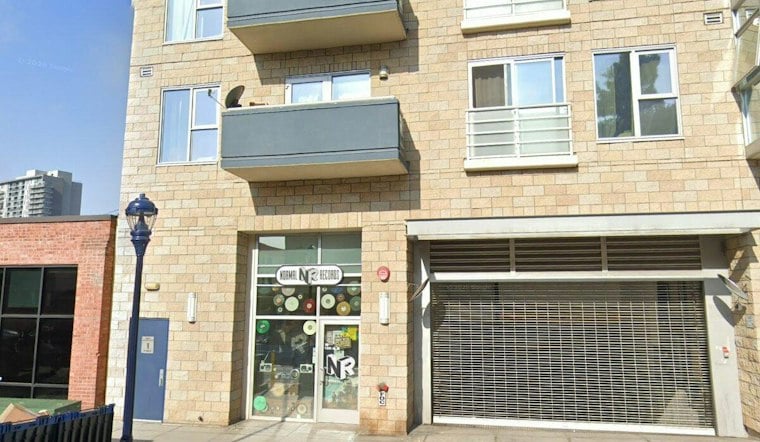
For seven years, the owner of Normal Records in East Village has dealt with an unusual list of hazards just to open his shop: human waste on the sidewalk, tents blocking his storefront, and on at least one occasion, a naked man wandering inside. He has filed hundreds of reports through the city's Get It Done app, mostly asking for one simple thing — a clear path so customers can walk through his door.
The record store owner's daily grind, first detailed by 10News, arrives the same week San Diego Mayor Todd Gloria and County Supervisor Paloma Aguirre joined philanthropist Irwin Jacobs and Father Joe's Villages to announce a $50 million investment aimed at addressing homelessness across the city. The gift includes a five-year plan to expand housing and services, with organizers saying the goal is to get more people off the streets for good.
The money will fund a multi-tower redevelopment of the 40-year-old Joan Kroc Center on Imperial Avenue, transforming it into what's being called the Joan and Irwin Jacobs Family Campus, according to the Times of San Diego. Plans call for more than 500 housing units spread across three towers as tall as 19 stories, with 130 units dedicated to seniors and homeless services operating on the lower floors. Construction is expected to begin in early 2027, with the first phase opening in 2029 — part of Father Joe's Villages' broader regional pledge to build 2,000 units of affordable housing.
A Long Wait for Relief on the Sidewalk
That timeline is cold comfort for merchants dealing with encampments right now. The Normal Records owner's hundreds of Get It Done submissions land in a system that, per the same account, already processes tens of thousands of reports citywide.
Gloria has encouraged business owners to keep filing those reports despite the backlog, and city officials note that police can cite people for obstructing sidewalks and arrest those engaging in illegal activity. Still, state laws prohibit authorities from forcing anyone experiencing homelessness into mental health treatment without their consent, a limitation that leaves outreach workers and shop owners alike navigating cases where people offered shelter beds sometimes refuse them because of mental health or addiction challenges.
Older Adults Increasingly Among the Unsheltered
Among those living unsheltered in the area are people over age 55, many of whom are experiencing homelessness for the first time in their lives. That demographic shift is part of what the Jacobs Family Campus is designed to address, with dedicated senior housing built into the lower floors of the planned towers.
The neighborhood-level numbers offer some contrast to daily storefront frustration. Monthly unsheltered counts from the Downtown San Diego Partnership found 756 unsheltered people across downtown neighborhoods, including East Village, in mid-2025 — a nearly 65% drop from a peak of 2,104 people recorded in May 2023, according to the City of San Diego. Officials attribute part of that decline to expanded safe sleeping tent sites and additional shelter beds.
Enforcement Numbers Climb Under Camping Ban
Enforcement has also ramped up since San Diego's Unsafe Camping Ordinance took effect in mid-2023. In fiscal year 2025 alone, municipal police contacts resulted in 1,605 citations and 391 arrests for encampment-related violations, per a city performance audit. The ordinance bars public encampments whenever shelter beds are available and prohibits camping near schools or parks at all times.
City enforcement has also expanded beyond municipal streets. A pilot agreement between the City of San Diego and Caltrans, reported by Voice of San Diego, authorized city police and cleanup crews to clear encampments on state freeway right-of-ways near downtown, including stretches along Interstate 5 and Route 94, backed by up to $400,000 in state reimbursements. Previously, the city lacked authority to clear those state-owned freeway slopes.
On the mental health front, California's Community Assistance, Recovery, and Empowerment Act allows family members, first responders, and service providers to petition civil courts for housing support and treatment plans that may extend up to two years for people with schizophrenia or related disorders.
Housing Efforts Already Underway Downtown
The Jacobs donation isn't the only housing news out of Father Joe's Villages this month. The organization opened renovated single-room-occupancy apartments on its downtown campus renting for $842 a month, adding to a portfolio of more than 400 affordable units for low-income residents and people exiting homelessness, Hoodline reported earlier this month.
Mayor Gloria's Bridge to Home program has also continued pumping gap financing into affordable housing citywide, committing $15 million for its eighth funding round this month and bringing total output to more than 1,300 homes built, including 156 completed homes reserved for people experiencing or at risk of homelessness. Together, the efforts illustrate a city trying to close the years-long gap between big philanthropic promises and the daily reality facing merchants like the owner of Normal Records, who just wants a clear sidewalk in front of his store.



