

























































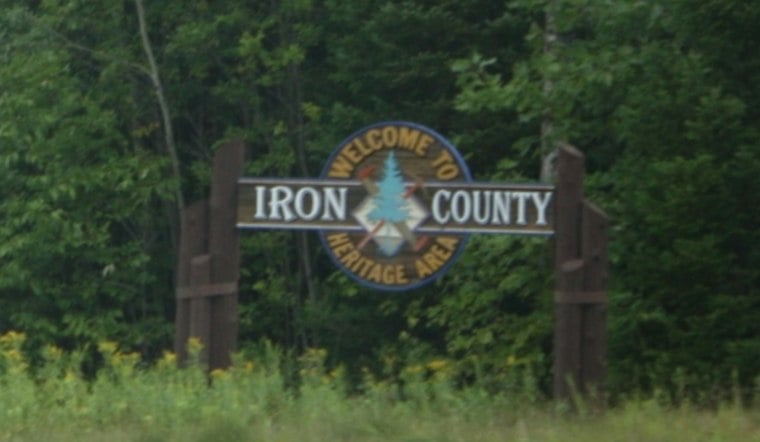
Enbridge has restarted Line 5 through a temporary bypass built around the site of a massive natural gas liquids leak in rural Iron County, Wisconsin, even as state regulators say the company pushed ahead with construction that never received required state approvals. The pipeline operator says the move was necessary to protect health and safety while restoring a critical regional energy link, but the Wisconsin Department of Natural Resources says the bypass compounds a growing list of environmental violations at the site.
According to Urban Milwaukee, Enbridge reopened Line 5 through the temporary bypass around the Iron County spill site, saying it worked with federal regulators and local officials throughout the process. The company said in a statement that it continues environmental testing and remediation at the site and is working with the Wisconsin DNR on permitting and environmental conditions tied to the incident. Line 5 carries up to 23 million gallons of crude oil and natural gas liquids daily between Superior, Wisconsin, and Sarnia, Ontario, according to the same report — a throughput figure also confirmed by PBS Wisconsin.
DNR Says Enbridge Was Told to Stop
The Wisconsin DNR asked Enbridge last week to stop building the temporary bypass because it lacked state approvals, the report notes. DNR Secretary Karen Hyun said in a letter that Enbridge added to environmental concerns and violations demonstrating disregard for the environment, human health, and the department's statutory authority. The agency declined to provide additional information about Line 5's return to service and the state of its permits as of Monday, per the same account.
A September 9 Notice of Noncompliance from the DNR detailed what inspectors found when they visited the Saxon site: unauthorized matting placed in wetlands, land disturbance beyond what stormwater permits allowed, three unpermitted bridges built across an unnamed tributary to Spoon Creek, and inadequate sediment control, according to WisPolitics. Hyun's warning to Enbridge actually began earlier than that — on August 27, she sent an initial letter demanding the company answer more than 20 regulatory questions about vapor control timelines, spill estimates, and prevention measures, as reported by Urban Milwaukee.
How the Spill Happened
The trouble traces back to August 25, when an unoccupied flatbed truck rolled into an open construction trench and struck Line 5 near Saxon in Iron County, according to correspondence released by the Wisconsin Department of Natural Resources. The excavation was part of a valve project; separately, Enbridge was building a reroute around the Bad River Band of Lake Superior Chippewa's reservation. The damaged section released more than 1 million gallons of natural gas liquids into the atmosphere, per Urban Milwaukee's reporting — a figure federal data reviewed by the Pipeline Safety Trust more precisely estimated at 31,000 barrels, or roughly 1.3 million gallons, released into the air, with about 2,000 barrels (84,000 gallons) still pooled in liquid form in the trench.
The damaged pipeline section was part of the spill. Federal data review found the leak was the largest oil and gas pipeline spill reported in Wisconsin in more than 50 years. In the immediate aftermath, the Iron County Sheriff's Office closed the road, nearby rural residences were evacuated as a precaution, and the sheriff ordered a temporary no-fly zone over the site, according to Northern News Now.
Clearing the Site for Cleanup
Before crews could begin soil testing, response teams used trailer-mounted flaring at the site, WXPR reported. Enbridge said it monitored air conditions around the impacted pipe section to determine where crews could safely work, and the flatbed truck involved in the initial collision remained onsite pending removal during ongoing investigations, according to the company's statement. Enbridge also said surface water and well testing showed no impacts and that wildlife has not been affected, adding that it implemented soil and water monitoring at the site and plans to test, remove, and properly dispose of soil in the trench.
Federal Jurisdiction Slowed State Access
Part of the friction between Enbridge and Wisconsin regulators stems from the federal role in the spill response: PHMSA investigators were involved, and Enbridge worked with PHMSA on its bypass plan, according to Civic Media. Jadine Sonoda, campaign coordinator for the Sierra Club's Wisconsin chapter, said the DNR took a long time to be allowed onto the site. Sonoda said Enbridge controls information and that independent site monitoring is difficult because a no-fly zone remains over the area.
Sonoda said she was concerned about the environmental remediation effort and had not seen evidence that the DNR granted the necessary permits for the bypass. She said she was disappointed that Enbridge moved forward with construction without proper state permitting. The Bad River Band of Lake Superior Chippewa and environmental groups have filed legal challenges against state approvals for the broader reroute project, a fight Hoodline detailed in its earlier coverage of the Line 5 pipeline showdown.
A Pattern of Incidents Along the Reroute
This is not the first environmental incident tied to Enbridge's reroute construction this year. On June 27, an estimated 1,500 to 1,900 gallons of bentonite drilling fluid escaped into a forested wetland near Gurney, Wisconsin, and reached Vaughn Creek during horizontal directional drilling work, according to the Wisconsin State Journal. The reroute itself exists because of a federal court fight: an appeals panel found Enbridge trespassing and gave the company more time to complete the reroute, per Courthouse News Service.
Enbridge has built the new pipeline segment around the Bad River Band's reservation under that legal pressure, all while keeping a pipeline running that moves up to 23 million gallons of crude oil and natural gas liquids daily. With the bypass now carrying gas past the Saxon spill site and the DNR's Notice of Noncompliance still on the table, the dispute over whether Enbridge cut corners on permitting to get Line 5 flowing again remains unresolved.





