

























































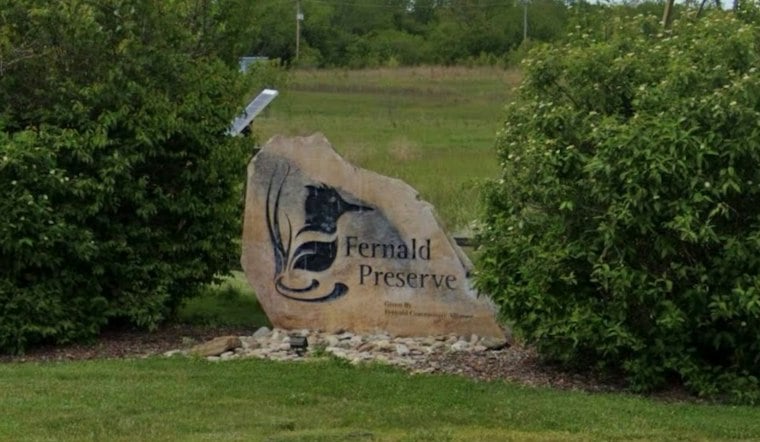
Twenty years after crews finished scrubbing radioactive contamination from 1,050 acres of Cold War-era industrial land in Hamilton County and Butler County, near the town of Fernald, the Fernald Preserve is throwing open its doors to mark the milestone. The free public celebration happens Saturday, September 19, 2026, running from 2 to 4 p.m. at the Fernald Preserve Visitors Center, 7400 Willey Road, and it invites former workers, community members, and other special guests to revisit the site's transformation from nuclear weapons plant to nature refuge.
The open house from 2 to 4 p.m. features science stations and activities, including a Converted Advanced Wastewater Treatment Facility tour, a water treatment demo, an ecological restoration and seed giveaway, and an evening hike to the On-Site Disposal Facility.
From Uranium Plant to Superfund Site
The Fernald site's story begins decades before the ribbon-cutting on its wetlands. Between 1951 and 1989, the former Feed Materials Production Center produced 170,000 metric tons of uranium metal products and 35,000 metric tons of uranium compounds for the nation's Cold War nuclear weapons complex, according to Wikipedia, drawing on Fluor Corporation records describing nine specialized processing plants surrounded by a buffer zone.
Public revelations of atmospheric uranium dust releases eventually led the U.S. Environmental Protection Agency to add Fernald to the Superfund National Priorities List in November 1989 under federal law, which granted EPA and Ohio EPA regulatory authority over the cleanup, per the Ohio EPA. That designation set in motion one of the largest environmental remediation projects in U.S. history.
Community Pressure Forced Accountability
Local residents did not wait quietly for federal action. The grassroots group Fernald Residents for Environmental Safety and Health, formed in 1984 after off-site residential water wells tested positive for uranium contamination, pushed for accountability that culminated in a $78 million legal settlement with the federal government in 1989, according to the University of Cincinnati College of Medicine. That settlement also established a long-running medical monitoring program covering 14,000 residents. Saturday's anniversary celebration will invite community members to revisit the site's transformation.
The Ohio EPA also describes conservation efforts at the site.
A $4.4 Billion Cleanup, Finished Early
The environmental cleanup ultimately cost $4.4 billion and reached surface-area completion in October 2006, finishing 12 years ahead of original federal projections, according to the Department of Energy. Part of that work included building the On-Site Disposal Facility, which permanently encapsulates nearly 3 million cubic yards of low-level contaminated soil and building debris under an engineered cap, per the same agency's public meeting records — the very site Saturday's evening hike will visit.
Groundwater remediation remains ongoing in the Great Miami Aquifer. That ongoing operation is what visitors will see up close during Saturday's Converted Advanced Wastewater Treatment Facility tour, and it keeps the department's Office of Legacy Management a permanent presence in Hamilton County even two decades after surface demolition wrapped up.
Weapons to Wetlands
The preserve now has a 7-mile network of trails and habitat for over 200 different species of birds, according to a Department of Energy fact sheet. Native plantings across the property helped restore native prairie grasses and other plant species, part of what the agency has called the site's Weapons to Wetlands transformation.
The visitor center hosting Saturday's event is itself part of that story. Created through a $6.6 million renovation of a former site warehouse, it was completed in August 2008 as one of the first Platinum-certified buildings in Ohio, according to Cincinnati Magazine. The building runs on ground-source heating and cooling alongside an on-site biowetland wastewater treatment system. In 2019, the EPA honored the preserve with the National Federal Facility Excellence in Site Reuse Award, recognizing long-term collaboration between federal agencies and local stakeholders in restoring a contaminated federal facility into a community asset.
Those planning to attend Saturday's celebration can direct questions to Fernald Preserve staff at (513) 648-3330 or by email at [email protected].



