

























































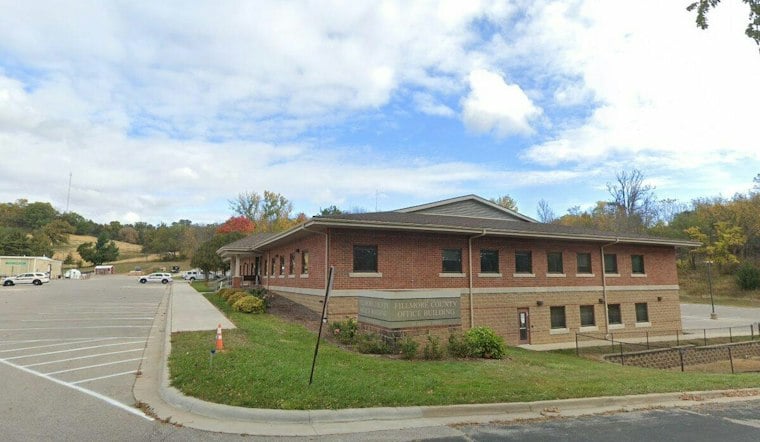
An unvaccinated adult in Fillmore County has tested positive for measles, health officials confirmed, marking the 25th case reported in Minnesota over the past year and prompting an urgent push to trace anyone who may have been exposed. The case stems from domestic transmission, and local officials are now working to identify people who came into contact with the infected person before the highly contagious virus spreads further through southeastern Minnesota.
The case was identified by the Minnesota Department of Health laboratory, according to Fillmore County Public Health, as first reported by WJON. The Minnesota Department of Health has now identified another measles case in southeast Minnesota, with three cases reported in neighboring Olmsted County over the past year. Statewide, the tally is 25 confirmed cases, compared with the 18 cases Bring Me The News reported in an earlier account, when it noted that the adult in this case contracted the virus while traveling within the United States.
Fillmore County health officials are working to identify additional people who may be showing measles symptoms, which include a high fever that can exceed 104 degrees Fahrenheit, along with a runny nose, cough, red or watery eyes, and a rash. The virus spreads through the air when infected people breathe or cough, making it one of the most transmissible diseases known. Anyone displaying these symptoms is urged to stay home and avoid visitors until speaking with a doctor.
How the Case Fits Into Minnesota's Year
The state's official disease surveillance data tells a longer story. Minnesota recorded 26 measles cases in 2025 and had logged 18 cases in 2026 to date, according to the Minnesota Department of Health, with the vast majority tied to domestic exposures rather than international travel. That earlier 2026 count has now climbed past that mark with the Fillmore County confirmation and additional cases counted since. The department's data also tracks recent regional cases in Minnesota.
The surrounding region is under heavy pressure. Southwestern Wisconsin is in the grip of a major localized outbreak, with 155 confirmed cases centered in Grant, Iowa, and Lafayette counties contributing to a statewide Wisconsin total of 163 cases in 2026, according to CIDRAP. That outbreak is near southeastern Minnesota, where Fillmore County is located, underscoring the risk of cross-border spread. Nationally, the picture is even starker: the Centers for Disease Control and Prevention reported 3,294 confirmed measles cases across 47 U.S. jurisdictions as of September 10, 2026, compared with 2,289 cases in all of 2025, putting the country on pace for its worst measles year in more than three decades.
Vaccination Gaps in Rural Minnesota
Public health officials have repeatedly pointed to vaccination as the only safe way to prevent measles, and they're urging Fillmore County residents to check their vaccination status, report symptoms to a health care provider or local health department, seek testing if symptoms appear, and get vaccinated as needed. Two doses of the MMR vaccine are 97% effective at preventing infection, per CDC clinical guidance. Because measles is so contagious, public health experts say roughly 95% population immunity is needed to prevent community spread.
That threshold has become harder to reach in parts of rural Minnesota. Hoodline reported in earlier coverage of Menahga's kindergarten vaccination rates that the state's kindergarten measles vaccination rate has slipped below the 92.5% national average, with the weakest coverage concentrated in rural areas carrying higher rates of vaccine exemptions. That gap presents a challenge for rural residents.
Echoes of a Larger 2017 Outbreak
Minnesota has faced measles outbreaks before. That history remains a reminder of the risks posed by measles. Measles can cause severe complications such as pneumonia and encephalitis.
Fast contact tracing is especially important during the virus's 10-to-21-day incubation period. That window is now the focus for Fillmore County health officials, who are racing to map every possible exposure tied to this latest confirmed case before it can seed further spread in southeastern Minnesota.





