

























































More than 1,700 military family homes at Fort Sill now run on geothermal heat pumps, part of a $63 million modernization effort that has turned the Oklahoma post into the third U.S. Army installation where the same trio of partners has tackled a major residential geothermal overhaul. The project, which taps steady underground temperatures instead of burning fossil fuels to heat and cool homes, is being carried out without any upfront cost to taxpayers.
According to The Cool Down, Corvias is leading the Fort Sill effort with Ameresco as a partner, while ClimateMaster is supplying the geothermal equipment itself. Fort Sill marks the third installation where Ameresco, Corvias, and ClimateMaster have worked together on a residential geothermal push of this scale, the outlet reports. The work is being funded through what is known as an Energy Savings Performance Contract, a financing tool that lets private companies front the construction costs and recoup them later through guaranteed energy savings.
That financing structure is written into federal law. Under 42 U.S.C. § 8287, Energy Savings Performance Contracts let federal agencies and the Department of Defense partner with private contractors for up to 25 years, providing a framework for private contractors to finance projects through future energy savings. The U.S. Department of Energy notes that private energy service companies absorb the upfront construction risk under this arrangement, which is precisely the mechanism letting Fort Sill complete tens of millions of dollars in upgrades with no direct appropriation from Congress.
How the Ground-Source System Works
Geothermal heat pumps heat and cool buildings by exchanging energy with the ground rather than generating heat outright, per the same account from The Cool Down. Because ground temperatures stay relatively consistent year-round, the systems can deliver steadier indoor temperatures through both summer heat and winter cold. The outlet also reports that geothermal systems can use 40% to 70% less energy than conventional HVAC equipment and may reduce maintenance needs, while heat pump water heaters cut bills by moving heat rather than manufacturing it.
The Fort Sill package goes beyond the underground loops themselves. The upgrade includes geothermal HVAC equipment, smart thermostats, improved hot water systems, and advanced controls throughout the renovated homes, the report states. Separately, the upgraded HVAC systems feature smart thermostats and advanced controls, according to the U.S. Army.
Projected Savings and Local Manufacturing Ties
ClimateMaster has said the Fort Sill modernization could reduce housing-community energy use by about 57%, and the project could generate more than $5 million in annual savings, per The Cool Down's reporting. Titian Burris of ClimateMaster said the company is partnering with Ameresco and Corvias to deliver geothermal solutions that improve comfort, increase energy efficiency, and strengthen military housing resilience.
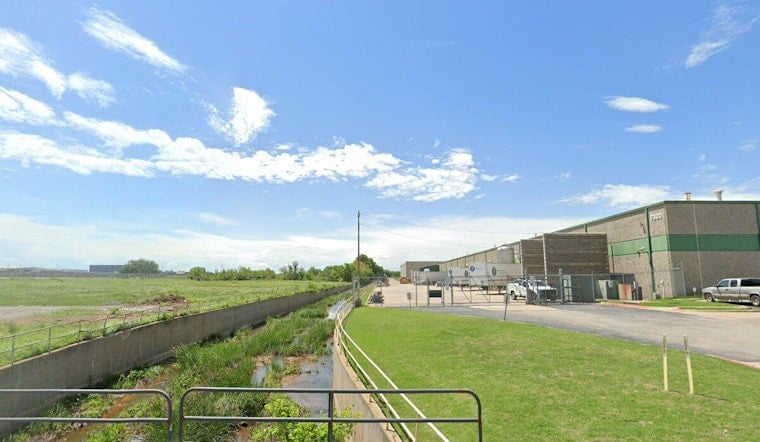
The heat pumps themselves are built close to home. ClimateMaster manufactures the units installed at Fort Sill out of its 510,000-square-foot plant in Oklahoma City, where the company employs more than 600 workers, according to Contractor Magazine. The company was originally founded in Florida in 1958 before relocating its headquarters to Oklahoma City, the trade publication notes. Army leadership, congressional representatives, and industry partners recently toured that Oklahoma City manufacturing facility, and attendees separately observed the drilling process at Fort Sill and toured a renovated home with the new systems already installed, per The Cool Down.
Fort Sill's Place in a Wider Military Rollout
Fort Sill covers nearly 94,000 acres north of Lawton and serves as the Army's Fires Center of Excellence for field artillery and air defense artillery, as well as one of four basic combat training posts in the country, according to Corvias Property Management. The post was originally established in 1869 as a frontier military fort. Corvias manages privatized housing there.
The Fort Sill project follows a similar geothermal conversion completed in March 2026 at Fort Johnson, formerly Fort Polk, in Louisiana, where Ameresco, Velarium Energy, and Corvias finished a $30 million modernization covering 3,600 homes, according to Business Wire. That project achieved a 30% reduction in annual electrical consumption and $2.6 million in annual utility savings, making Fort Johnson the first Army installation to convert every residential unit on post to geothermal. Separately, a 13-megawatt solar project has been reported at the base, while geothermal housing work there cut housing electricity use by 31%.
The Cool Down also reports that a Pentagon-backed team is studying a dry rock geothermal plant near Fort Bliss, Texas, and that a U.S. Air Force base already has the first geothermal plant delivering on-site power. Fort Sill's housing overhaul is part of that broader move toward geothermal systems across military installations nationwide.
Why the Pentagon Is Pushing Geothermal
The U.S. Army published its Climate Strategy in February 2022. A study by Brown University's Watson Institute found the Department of Defense accounts for 77% to 80% of all federal government energy consumption, underscoring why military installations have become a primary target for federal energy efficiency initiatives.
For a post built around artillery training and thousands of service member households, the arrangement offers a case where lower energy bills and long-term contractor performance guarantees are meant to work in the same direction.




