

























































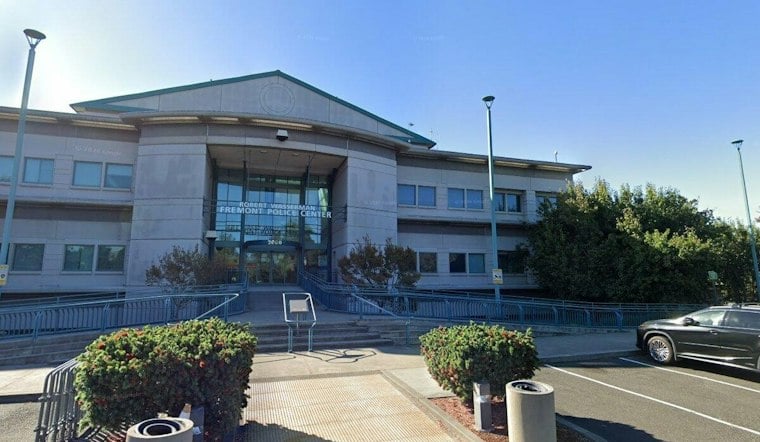
Fremont and Union City are again operating on CentralSquare’s Tiburon dispatch platform after returning to it on Aug. 28, less than a month after activating a $2.6 million ProPhoenix computer-aided dispatch and records-management system. The rollback followed reported instability involving dispatchers and patrol-vehicle monitors during a deadly Fremont home-invasion response, The Mercury News reported.
That account documents problems during the response but does not establish that the software caused the shooting or any death. Fremont officials said fail-safe and backup measures preserved public service and that incoming 911 calls, police radio transmissions and department records systems were not affected, according to the same report.
The immediate question is accountability
The cities’ present priority is continuity: the older Tiburon platform is carrying dispatch operations while the ProPhoenix system is no longer in service. Fremont has not said whether it will seek a refund or other compensation; it told The Mercury News that it was discussing the matter with the vendor. Fremont and Union City had divided the purchase, with Fremont paying about $1.6 million and Union City roughly $1 million, the newspaper reported.
That leaves several issues unresolved in the public account: what contractual remedies are available, how the new system was accepted, what testing preceded the Aug. 11 launch, and whether any portion of the system can be repaired or redeployed. Fremont Police Chief Floyd Mitchell and ProPhoenix did not respond to requests for comment cited by The Mercury News. No public finding supplied here determines whether the failure reflected software defects, configuration or integration problems, training issues, or some combination.
A modernization project, not just a software switch
The replacement had been planned for years as an effort to move the two cities away from an aging shared Tiburon platform. Union City’s 2022 Information Technology Strategic Roadmap described replacing aging technology as part of a broader modernization effort, rather than treating the dispatch system as an isolated purchase: the city’s roadmap says.
California’s emergency-communications planning documents show why a replacement requires more than installation. The California Governor’s Office of Emergency Services’ 2024 Public Safety Communications Strategic Plan included developing testing procedures for the interface between computer-aided dispatch and next-generation 911 systems: the state plan states. That is planning guidance, not evidence that Fremont or Union City failed to follow a specific requirement.
A 2017 Cal OES transition report also emphasized stakeholder involvement and said interoperability could provide “robust redundancy.” Those principles are relevant to a rollback because dispatchers, patrol personnel and other system users need to be part of transition planning, while agencies need a workable fallback when a new platform is unstable: the transition report says.
What other public records show—and do not show
Other public agencies have framed CAD replacement as a planned modernization decision. Scarborough, Maine’s proposed fiscal 2024 budget included funding for a new public-safety CAD system, an example of budgeting for replacement before a documented emergency rollback: the town’s budget notice explains. That comparison does not show that Scarborough used the same vendor, faced the same technical conditions, or followed the same implementation process.
A Victorian Auditor-General’s Office review provides a broader governance lesson rather than a direct comparison. It said public-sector policies did not adequately recognize the obsolescence risks facing frontline information and communications technology, while finding that Victoria Police’s mobile-data network had been effectively managed: the audit summary reports. The finding supports sustained planning for aging systems, but it does not establish a common failure pattern or predict the outcome of Fremont and Union City’s vendor discussions.
For Fremont and Union City, the next public evidence will likely be more concrete than comparisons with other jurisdictions: contract documents, acceptance or testing records, a technical explanation of the instability, and a decision on payment or reimbursement. Until those records are released, the established facts are narrower: the cities activated ProPhoenix, encountered reported operational problems, returned to Tiburon, and have not publicly resolved the financial or technical questions surrounding the aborted replacement.



